

Audio By Carbonatix
Many children born in rural communities in Ghana are at risk of malnourishment, stunting, obesity or anemia due to poor feeding in the first 1,000 days after their birth.
In the Upper East Region, many pregnant women do not get iron-rich or plant and animal-based protein foods, mainly due to poverty. This also results in a high rate of anemia among pregnant women.
However, World Vision Ghana, a Christian humanitarian, advocacy, and development organization is helping solve this problem in 24 communities in the Kasena – Nankana West district of the Upper East Region.
Through, a project known as “Improved Feeding Practices for the First 1,000 days”, World Vision Ghana is helping 5,520 women of reproductive age, pregnant and lactating mothers to adopt the best dieting and feeding practices for their own well-being and the proper growth and health of their babies.
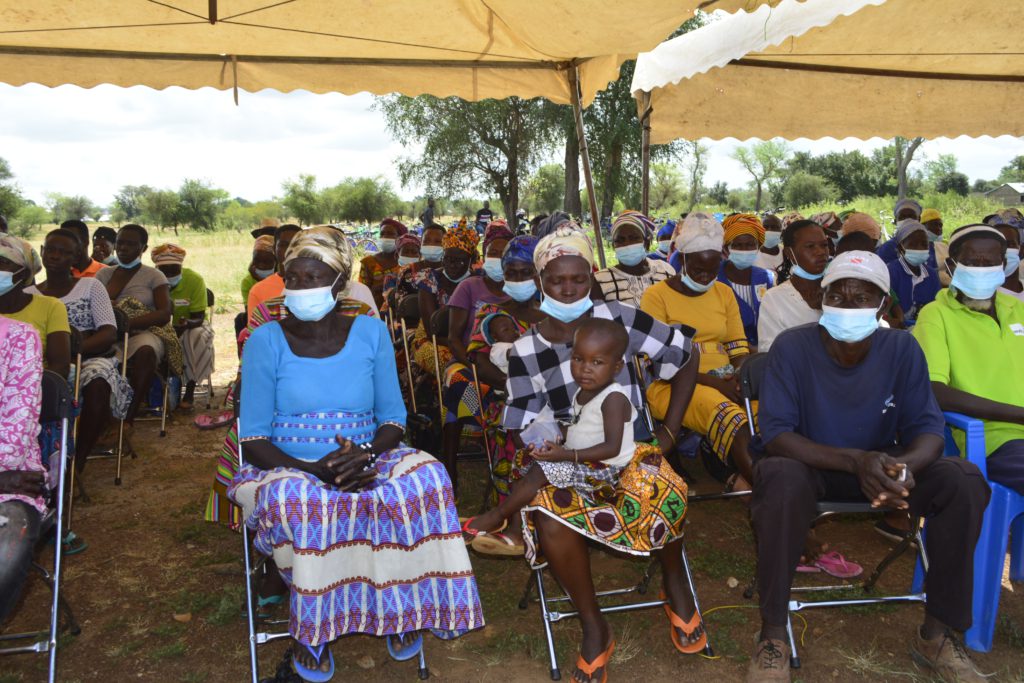
The World Bank funded project which is also being implemented in the Kintampo South district of the Bono East Region and the Sekyere East district of the Ashanti Region, will support a total of 4,900 children under age 2.
As part of the implementation of the project in the Kasena – Nakana West district, World Vision Ghana has set up community groups tasked to reach the targeted mothers and babies with important information and the needed help.
The groups include the Mother to Mother Support Groups, the Male Champions, Community Health Volunteers and the Village-based Entrepreneurs.
According the Project Officer, Ambrose Mwimpuo, the community groups are tasked with various duties to ensure the success of the project.
“If you go to each of the 24 communities, we have two of the Mother to Mother Group facilitators and their duty is to bring together all mothers who have children under 2 years [old] and educate the mothers on how to do complementary feeding”, Mwimpuo said.
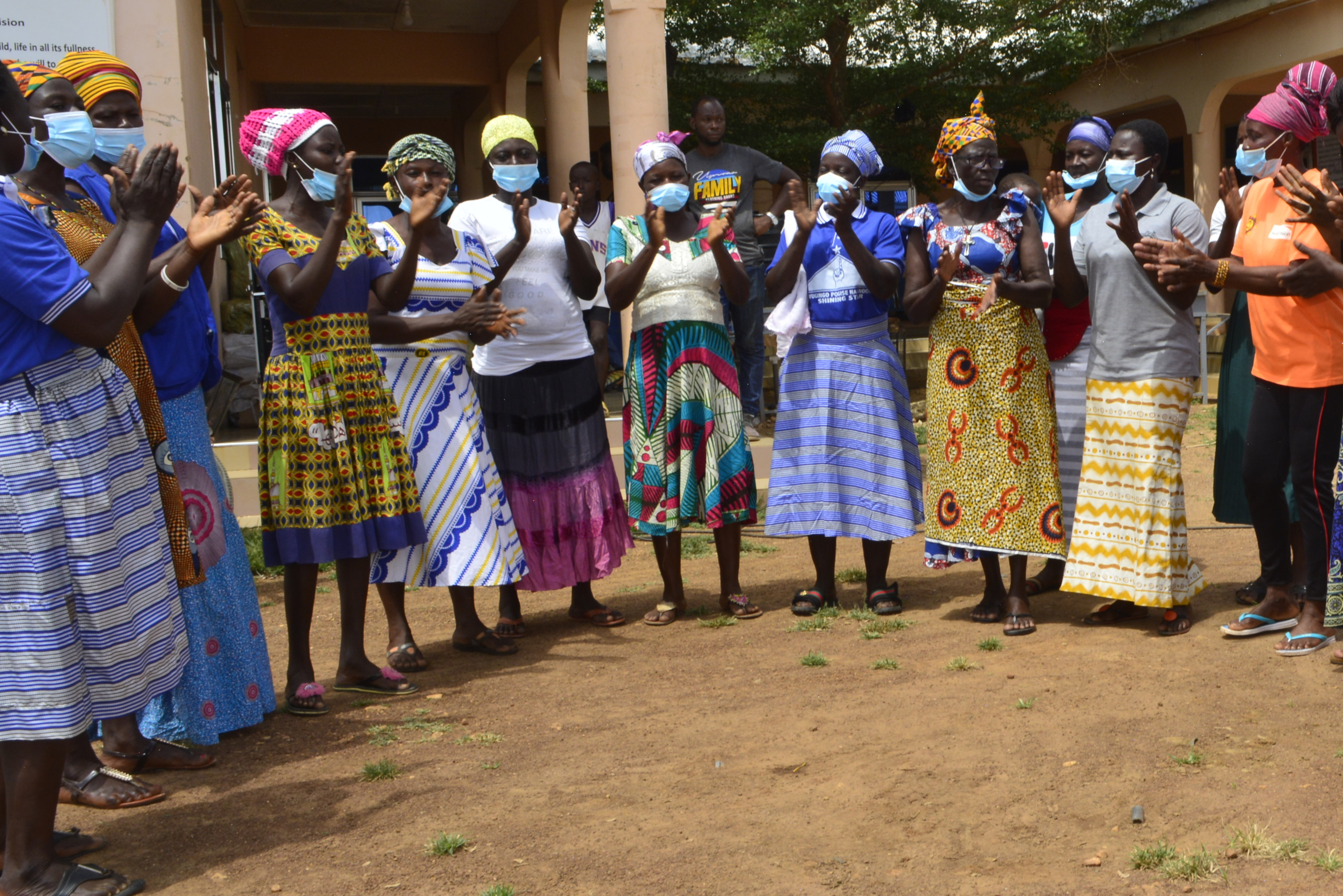
He explained that many mothers do not know what to feed their babies after the exclusive breastfeeding, hence the need for the education.
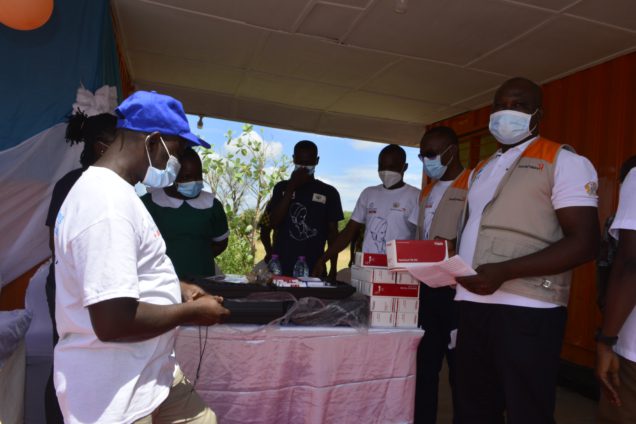
The Community Health Volunteers, Ambrose Mwimpuo said had the responsibility to go to hard-to-reach communities where health facilities are not close to the inhabitants, to ensure all children within the project’s target age-range [0-2 years old] are monitored for their growth rate.
“The growth rates in particular are very important because if we do not track, we will not know which child is growing well or not. At 2 years, each child is supposed to weigh a certain weight and measure a certain height. So, with this monitoring, we can know which child is lagging behind and take action”, he said.
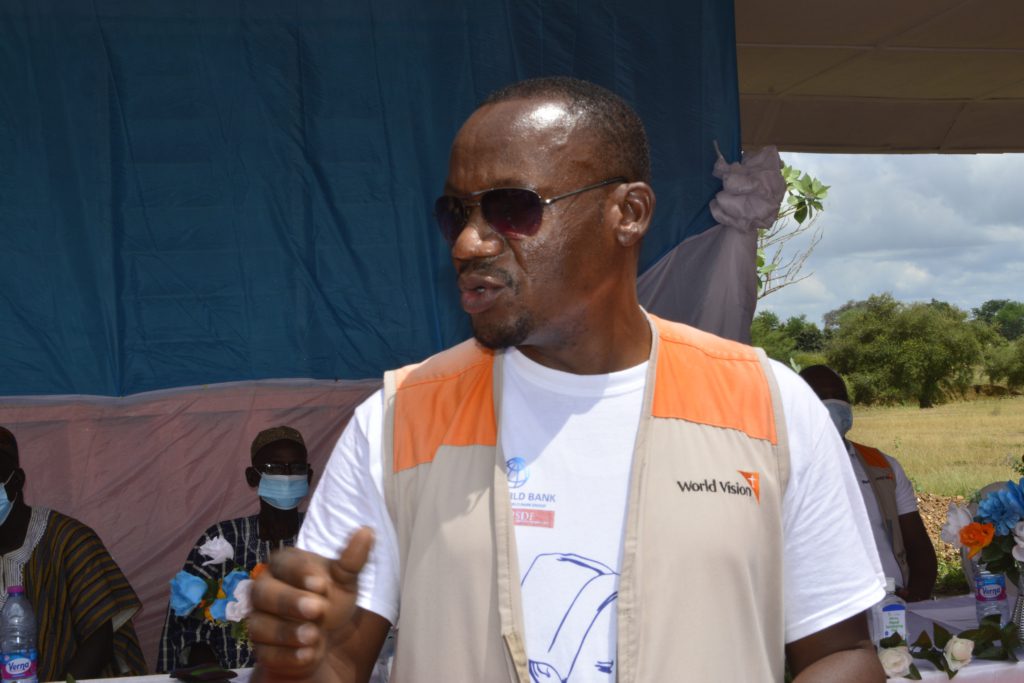
The Male Champions are tasked to encourage other men to support their wives, attend clinics with them and take a keen interest in the care of their babies.
The Village-based Entrepreneurs, Mwimpuo said, are persons selected and trained by World Vision Ghana to ensure that nutritional supplements which have been procured by the organization, are available for sale in the communities.
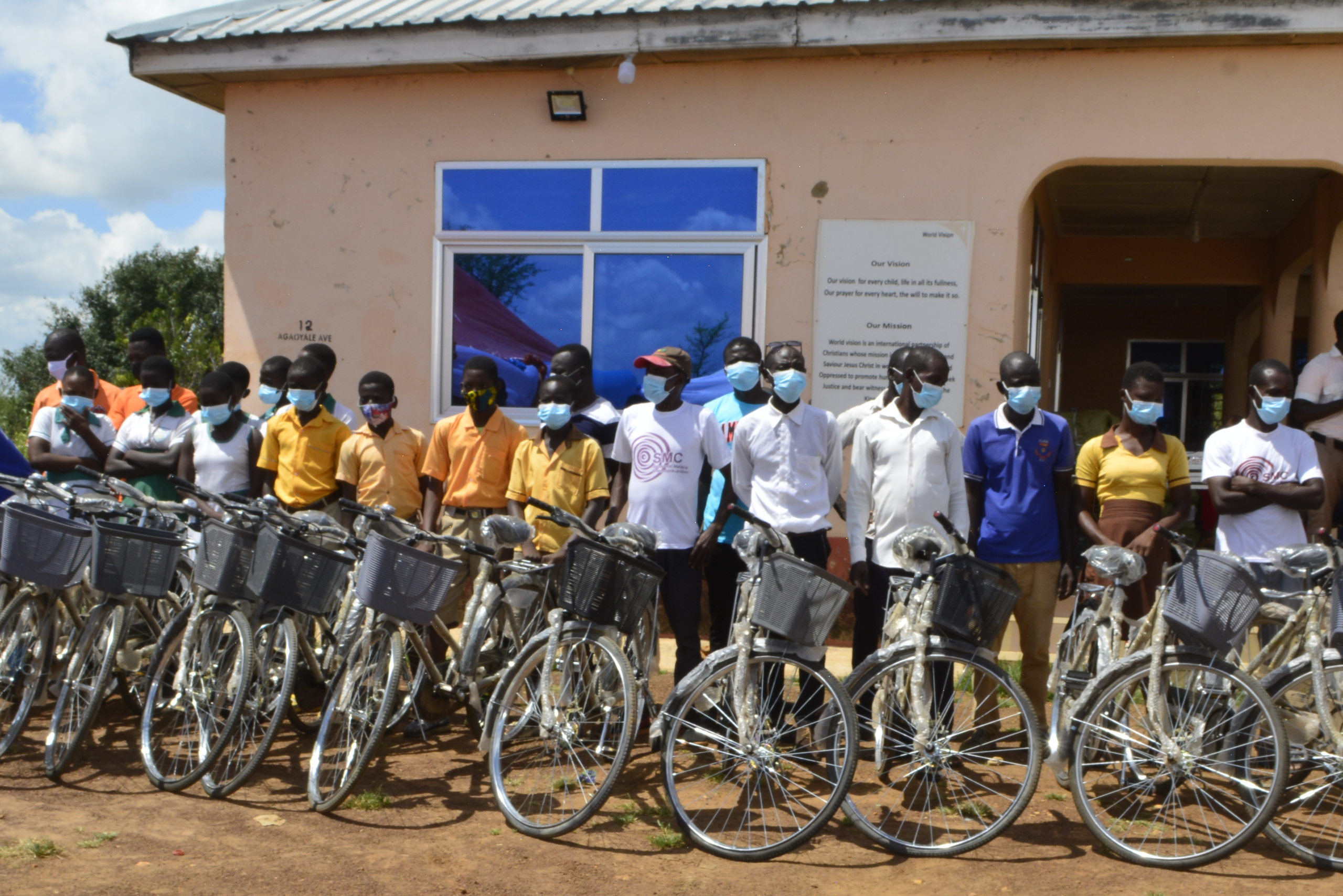
To aid the movement of the community groups, World Vision Ghana donated 100 bicycles to them.
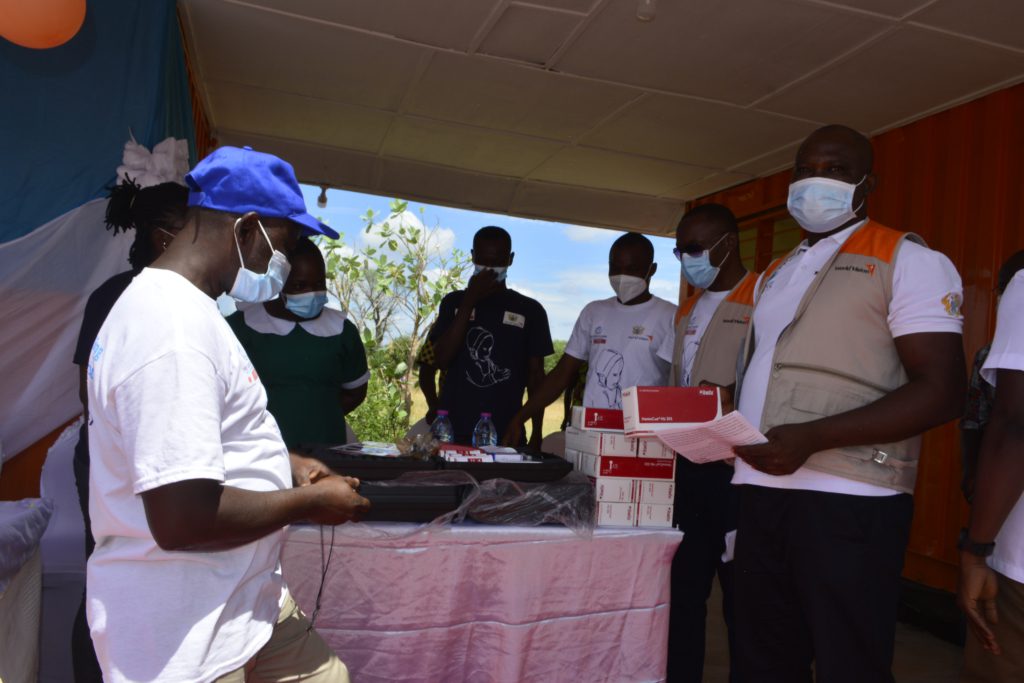
The various groups have also been given the necessary tools required to perform their duties under the project.
The Kassena-Nankana West District Health Director, Hypolite Yeledour said anemia among pregnant women is high in the district.
“Anemia among pregnant women is very high especially after 36 weeks of gestation. Last year, we recorded 46% [anemia cases] which is really high”, Yeledour said.
He was however hopeful that the “Improved Feeding Practices for the First 1,000 Days” project will help solve the problem.
Latest Stories
-
Mahama to meet relevant stakeholders over concerns about the new Customs Act
2 minutes -
CHASS demands a 20% increase in SHS funding and payment of outstanding debts
4 minutes -
Investigation launched after male body found in County Cork
5 minutes -
We have been scammed by NDC, government is only doing PR – Abanga Fuseini
6 minutes -
Tamale Teaching Hospital records 44 new breast cancer cases in six months
8 minutes -
GES declares October 30 CPD day for private school teachers; learners to observe holiday
8 minutes -
South Korea to support Ghana’s forts and castles restoration with $4.5m over five years
9 minutes -
School headscarf ban sparks rare protests in Azerbaijan and row with Turkey
18 minutes -
Ghana explores underwater sightseeing and shipwreck tourism
18 minutes -
Association of Women Lawyers calls for national sexual offenders register to protect school children
20 minutes -
Soaring commodity prices influenced our 2026 revised growth forecast of 5.7 % for Ghana – IMF
22 minutes -
Government urged to recruit more speech therapists to support children with language disorders
24 minutes -
Chef Abbys: Feeding 50,000 people, putting food security on Ghana’s agenda
53 minutes -
Ho set to host Republic Bank–JoyNews Habitat Fair as multiple firms prepare to showcase housing solutions
1 hour -
NPP demands public inquiry into alleged $600,000 World Cup visa fraud, wants Sports Minister, GTA CEO summoned
1 hour