


Audio By Carbonatix
In 2022, a farmer named Ekua was suffering from bleeding and severe abdominal pain. When she went to St. Michael’s Hospital in Pramso, health workers realised they didn’t have a Fresh Frozen Plasma [FFP] — a product that could staunch her bleeding.
Luckily, St. Michael’s is one of the over 2,600 facilities across Ghana that receive medical products from Zipline drones.
“We called Zipline, and within 20 minutes or so they were able to bring us two units of FFPs and three units of blood,” says Dr Philip Agyemang-Prempeh, who treated Ekua.
This meant they could treat her immediately, rather than sending her to another hospital with FFPs in stock.
“If we had wanted to refer her, it would have been a challenge because we didn’t have an ambulance here in our facility,” he said, adding that transferring her would have taken much longer than 20 minutes.
“I think [Zipline’s] input went a long way in saving the life of Ekua.”
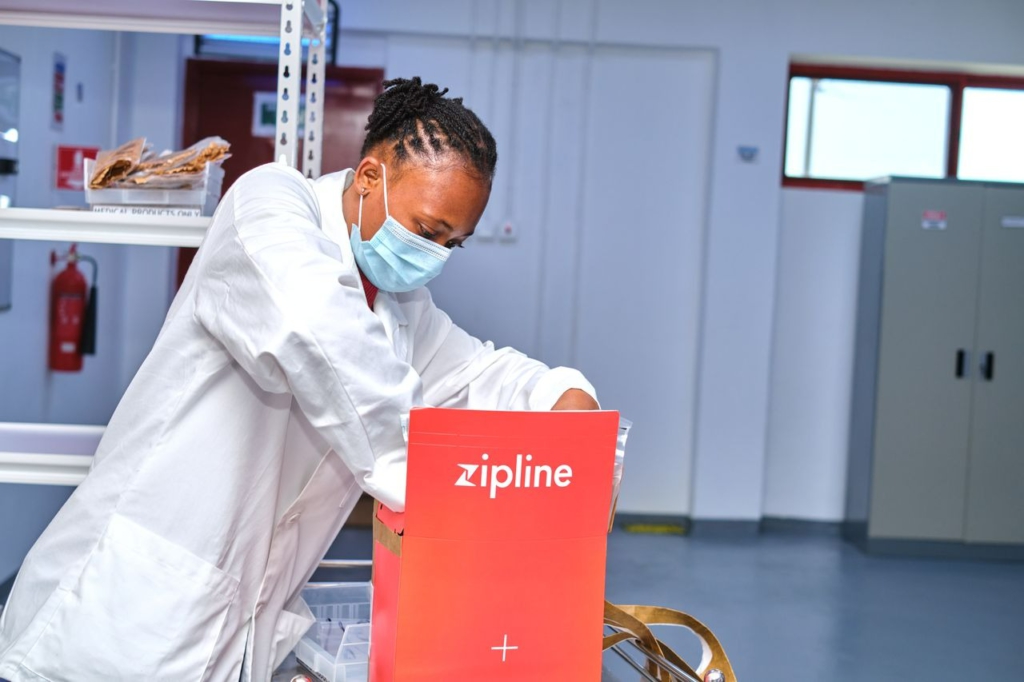
In the past four years, Zipline has worked with the Government of Ghana to grow from one distribution center to six. It has also exponentially increased the number of deliveries, at no additional cost to the government.
In 2019, Zipline made an average of 375 deliveries per month. Over the years, average monthly deliveries have increased by 44 times, reaching 17,000 in 2023.
Today, Zipline employs more than 200 Ghanaians and has made over 350,000 deliveries to health facilities across 13 regions.
The program has also expanded to new use cases. While Zipline was launched primarily to deliver vaccines, it now includes several products from medical supplies to antivenom.
To deliver antivenom, Zipline stores it in a centralised, refrigerated warehouse – preventing healthcare workers from having to stock it onsite and risk expiration.
Clinicians who order antivenom receive it within an hour, which enables them to treat patients quickly, preventing toxins from spreading, which can lead to renal failure, amputation and even death. Zipline has flown more than 5,500 units of antivenom to people across Ghana since January 2022.
By far, the most frequently delivered product in Ghana is vaccines. When Zipline was launched in Ghana, they came in handy for the support of routine vaccine delivery while the country was under lockdown during the COVID-19 pandemic.
Since then, Zipline has delivered more than eight million doses of routine vaccines including those against tetanus, polio, measles and meningitis, as well as over two million doses of COVID-19 vaccines.
Zipline’s COVID-19 vaccine deliveries helped reach the most vulnerable households. Most went to districts with a high number of households led by women, or those in rural areas, far from fresh water and the regional medical store.
Zipline deliveries to these areas reduce the burden on healthcare workers, who otherwise have to refer patients to different facilities, due to stockouts, or spend hours out of their days driving to the regional medical store to pick up products.
Take Jantuakrom – a remote village in Ghana’s Western Region. Already remote, the village becomes more difficult for healthcare workers to reach during the rainy season by car or motorbike.
A health worker there told the AM Show that Zipline allows him to order supplies on demand and reliably serve people in his community.
“Sometimes, you will be doing something, and you will be short of vaccines,” he said. “But you just message [Zipline] and within 30-40 minutes, the drone will be here, and you’re okay.”
Not only does this technology help him treat patients in the short term, it makes him feel optimistic about Ghana’s healthcare sector.
“We have a bright future with this drone system. It has removed a lot of time wasting, a lot of breakages. And it’s exciting.”
Most importantly, since January 2022, Zipline has delivered more than 3,600 orders to patients in critical conditions, potentially saving thousands of lives.
Zipline’s fulfilment and flight teams respond to critical orders extremely quickly, preparing, packing, and launching the order, on average, in under eight minutes.
In the next four years, Zipline will continue to support Ghana’s national supply chain. Zipline and the Government of Ghana plan to grow the program, improve access to goods, create STEM jobs and expand to use cases.
But the most crucial part of the partnership is the work Zipline and the Government of Ghana do together to problem-solve supply chain issues for better health outcomes – improving the quality of life, and saving lives, for thousands of Ghanaians.
Latest Stories
-
Friends of Bridget Bonnie Marks her 35th birthday with donation to Kasseh Model Health Centre
22 minutes -
Landfilling waste management creates no value, it’s an economic waste
49 minutes -
Photos: Speaker Bagbin Commissions MPs constituency office under parliamentary decentralisation programme
1 hour -
Black Stars technical advisor Winfried Schäfer sacked as GFA shakes up backroom staff
1 hour -
Wenchi water project almost complete, critical to gov’t agenda – GWL MD
1 hour -
Anti-LGBTQ+ bill not part of government’s legislative agenda – Inusah Fuseini
1 hour -
Anti-LGBTQ Bill: Forget the rumour mongers, I’m a man of action, and will pass the bill – Speaker
2 hours -
Women and children among those killed in Sudanese army shelling of wedding celebration
2 hours -
President Mahama is not sincere with Ghanaians on LGBTQ bill matter – Hassan Tampuli
3 hours -
Gov’t to establish Prison Industrial Hub to equip inmates with income-generating skills – Prison Service boss
3 hours -
Alhassan Tampuli donates cement, roofing sheets to support storm victims in Gushegu
3 hours -
Alhassan Tampuli appeals for urgent support for storm victims in Gushegu
3 hours -
The hypocrisy must stop; pass Anti-LGBTQ+ Bill now – Alhassan Tampuli to Mahama
3 hours -
Imprisonment should be rehabilitative, not punitive – Ghana Prisons boss at UNGA
3 hours -
Ga Adangbe traditional priests petition Mahama over McDan aviation licence revocation
4 hours