

Audio By Carbonatix
A new report, Palm Oil Barometer 2025: Procurement for Prosperity, has called for a fundamental shift in global palm oil procurement practices. The report emphasizes the need for equitable value distribution to support smallholder farmers in West Africa.
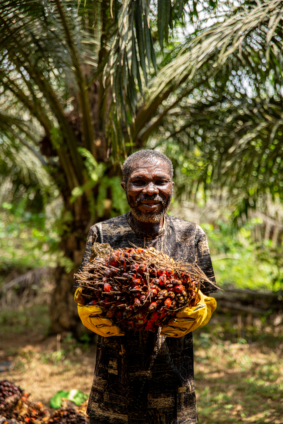
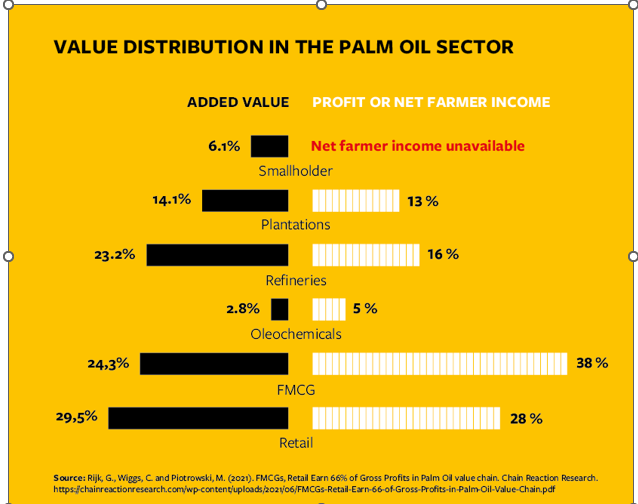
Oil palm remains a vital crop for food security, a source of income for millions, especially smallholder farmers across West Africa, and has the potential to help farming families emerge from poverty within a single generation. The 2025 Palm Oil Barometer, developed by Solidaridad and co-signed by various smallholder representatives and experts, identifies critical imbalances in the current market, where smallholders often receive a disproportionately small share of profits despite their significant contributions.
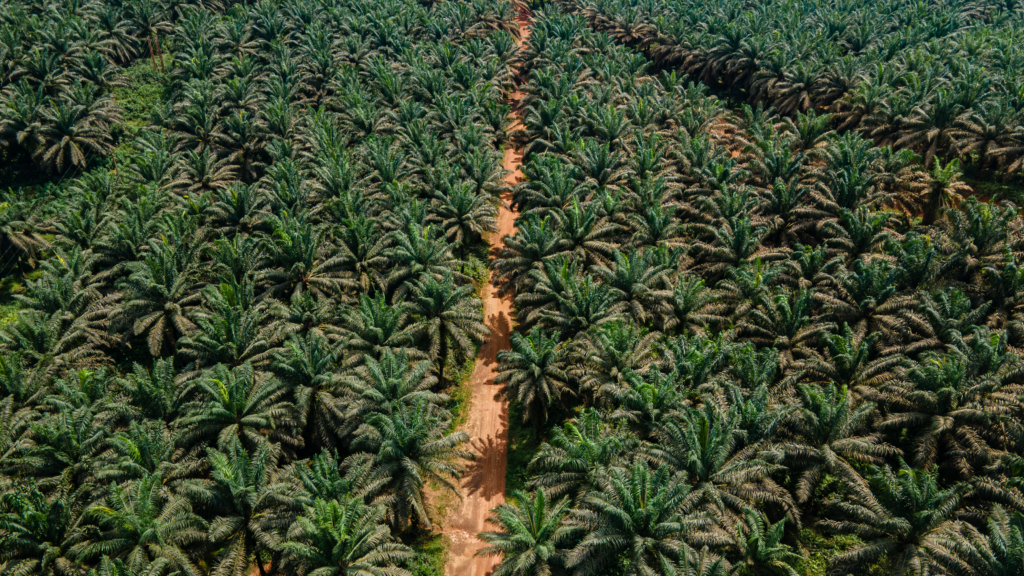
In Ghana, smallholders manage approximately 81% of the nation's oil palm area, yet many face low yields and limited access to markets. Similarly, in Nigeria, smallholders contribute to 80% of production but struggle with outdated processing methods and insufficient infrastructure. Côte d’Ivoire's smallholders manage 73% of oil palm areas, while in Sierra Leone, small-scale farmers account for about 70% of production, often relying on wild palm groves.
Meanwhile, West Africa consumes more palm oil than it produces, and many countries depend on imports. This imbalance, compounded by systemic barriers, limits smallholder farmers' ability to increase incomes and contribute to national food security.
“Governments and industry in collaboration with sustainability certification platforms, need to adopt a new business model for engagement, organizational development, and capacity building, that supports improved access to inputs and markets for independent smallholder farmers,” says Muthalir Ramasamy Chandran, Chairman at IRGA.AG and Advisor to Roundtable on Sustainable Palm Oil.
Is Sustainable Production Worth the Effort?
The core finding of the 2025 Palm Oil Barometer is that value is inequitably distributed throughout the supply chain, which often leaves smallholders at a loss in their efforts to produce sustainably. Additionally, farmers struggle to invest in practices that support resilience in the face of climate change. Smallholder farmers in Africa, in particular, are reliant on precarious incomes that are subject to volatile prices and extreme weather conditions exacerbated by climate change.
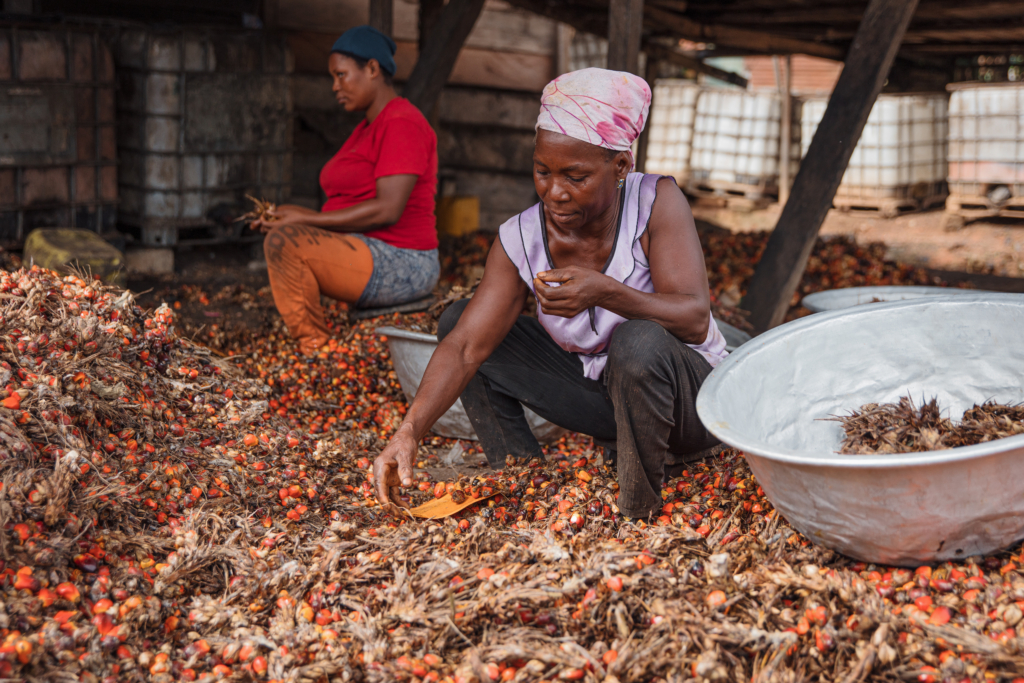
“Oil palm production in our communities faces serious challenges. Most farmers lack access to proper tools, equipment, and infrastructure, which leads to low yields and poor processing capacity. Even with training, our incomes are too low to invest in improvements. This keeps productivity stagnant and prevents the sector from growing,” said Michael Oppong, an oil palm farmer in the Eastern region of Ghana.
“We need consistent, targeted support to break through these barriers. With the right help, we can grow stronger and contribute meaningfully to the global palm oil market.”
The consistent underinvestment and lack of equitable value distribution are a threat to the entire sector. Without access to better financing, technical assistance, and sustainable farming incentives, small farmers often resort to short-term survival strategies that can contribute to environmental degradation. Additionally, land tenure insecurity continues to create challenges, limiting smallholders’ ability to invest in long-term sustainability and discouraging compliance with stricter environmental regulations.
Shifting the Focus to Procurement for Prosperity
The 2025 Palm Oil Barometer advocates for a transition from current sourcing practices to a "Procurement for Prosperity" approach. This means moving beyond sustainability certifications to ensure that palm oil procurement has a positive impact on suppliers, particularly independent smallholders, centered on fairer trading practices and genuine partnership.
The report outlines four core principles for Procurement for Prosperity:
- Policy: Companies integrate procurement practices that recognize independent smallholders in their overall strategy and decision-making processes.
- Pricing: Fair pricing and payment terms must recognize and reward sustainable practices. This includes understanding farmers’ living income gaps and working to close them.
- Partnerships: Partnerships and collaboration across the supply chain need to incorporate farmers' perspectives and include them in decision-making processes, including the development of pricing mechanisms.
- Programmes: Downstream companies need to support suppliers by investing in organizational strengthening, technical capabilities, and access to finance.
“Simply demanding sustainable production is insufficient. Companies need to commit to an inclusive value chain that recognizes and integrates independent smallholder farmer perspectives and voices, and enables sustainable production by paying fair prices that make a living income possible,” said Marieke Leegwater, Senior Policy Advisor, Solidaridad Europe.
“As new regulations, like the EUDR, come into effect, we need a balanced approach that addresses deforestation by large-scale plantations, while ensuring human rights and smallholder inclusion to create a stable supply chain with reduced risk.”
The Palm Oil Barometer 2025 provides concrete recommendations for value chain actors, multi-stakeholder initiatives, public policymakers, and the financial sector as they work to advance smallholder inclusivity and create a more resilient palm oil industry. Every actor has a role to play in ensuring fair value distribution and supporting the prosperity of independent smallholders who are critical to the sector’s future.
Download the complete Palm Oil Barometer here.
Latest Stories
-
Ghana’s economy grows by 7.4% in July 2026
8 minutes -
NDC member challenges Dennis Yeboah Twumasi’s eligibility for Bono Regional Secretary elections
18 minutes -
Popular Nigerian gospel singer Toluwanisings dies
28 minutes -
Spio-Garbrah proposes debt swaps to fund reparative justice in Africa and Caribbean
36 minutes -
Alban Bagbin calls for governance reforms and coordinated action to address Africa’s debt crisis
38 minutes -
AAK Academy Ghana trains 22 chocolate and confectionery companies in production techniques
40 minutes -
Adwumawura Programme trains second cohort of young entrepreneurs in Bono East
41 minutes -
Destroying Jimi River for gold could cost us our lives – Asantehene
48 minutes -
Sammy Gyamfi didn’t say BoG has ceded its forex role to us – GoldBod
2 hours -
High Court sets November 4 for ruling on Wontumi’s bail application
2 hours -
Tetteh Kwetey files nomination for NDC Greater Accra Regional Chairmanship
2 hours -
Korle Bu appeals for more doctors, nurses as A&E Centre struggles under pressure
2 hours -
AFCON 2027Q: ‘I’m optimistic Black Stars can turn things around’ – Agyemang-Badu
2 hours -
Digital innovation could widen Africa’s inequalities if people are left out – Sam Jonah
2 hours -
Galamsey is an economic, health and moral problem – Sam Jonah
2 hours