


Audio By Carbonatix
First we had the Beast from the East, then the joint hottest summer on record, and now February winter temperatures have soared to all-time highs (although those balmy conditions came to an end on Thursday).It's clear that the British weather is getting harder to predict, while climatic events have become more common. And for UK businesses that is creating both opportunities and headaches, with experts warning that our capricious climate could make life harder for many.Take this and last week's unseasonably warm weather, which saw temperatures peak at 21.2C in London on Tuesday.It sparked a rush for goods usually associated with summer, with sales of sunglasses, swimwear and shorts up 13% at John Lewis last week, and bottles of rosé wine flying off the shelves at Sainsbury's.But Dr Phil Williamson, who manages the University of East Anglia's climate change programmes, says that some businesses may have missed out because of the warm spell.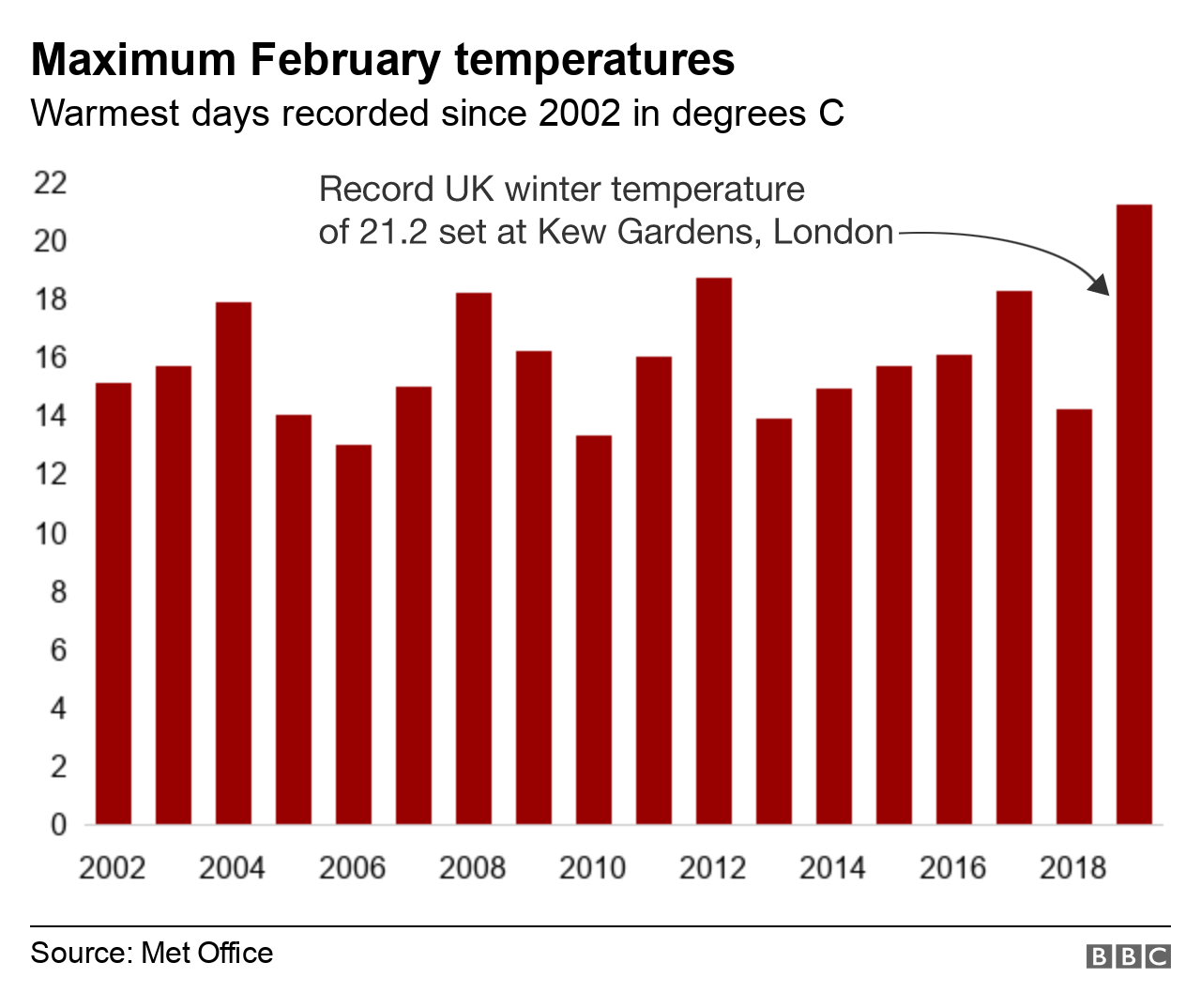 "Take fruit farms, where the blossom period is crucial. If things that normally start flowering in March start flowering in February because of the weather, it can end up damaging the quality of the crops or lead to lower yields."He thinks we will see more freak weather events as global warming intensifies, and this will have financial costs for "most businesses, directly or indirectly"."It could be through decreasing yields in agriculture, slower productivity when it floods or snows, or by pushing up prices in our shops."
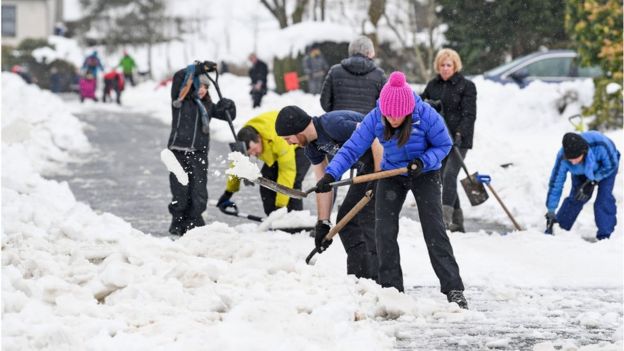 Image copyright GETTY IMAGESImage captionThe icy weather last February and March brought parts of the UK to a standstillHowever, while unexpectedly hot weather may boost consumer confidence, it can be damaging too.Following the heatwave last June and July, energy company SSE warned that its first-quarter profits would be £80m lower than expected after household demand for energy fell and a lack of wind affected its turbines.And Superdry has blamed recent poor performance on unseasonably warm weather conditions that made it harder to shift winter clothes.
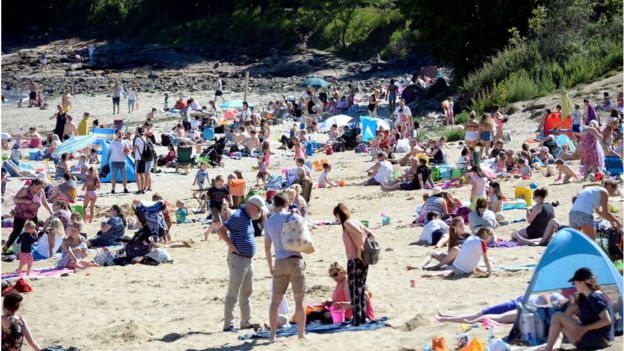 Image copyright GETTY IMAGESImage captionThe heatwave last July boosted UK tourist destinations like Aberdour in FifeComplicating the picture, firms may also experience a "deferral effect" during periods of freak weather, says Jonathan Reynolds, academic director at the Oxford Institute of Retail Management."Consumers may postpone certain purchases until later in the year, or their spending may shift from retail to leisure and going out."To protect themselves, some big companies invest in specialist weather-forecasting systems or employ in-house meteorologists.Others, like the fast-fashion retailer Zara, pride themselves on being able to get new products on to their shelves at lightning speed whenever weather trends change. They may also hedge their bets by offering a wider choice of products throughout the season.However, it's not just domestic weather events that affect UK businesses, says Ed Hawkins, a professor of climate science at the University of Reading.Take recent heatwaves in Northern Europe, which have caused global wheat prices to spike, or floods in Thailand - a major manufacturer of computer hard drives - which hit the world PC market in 2011.
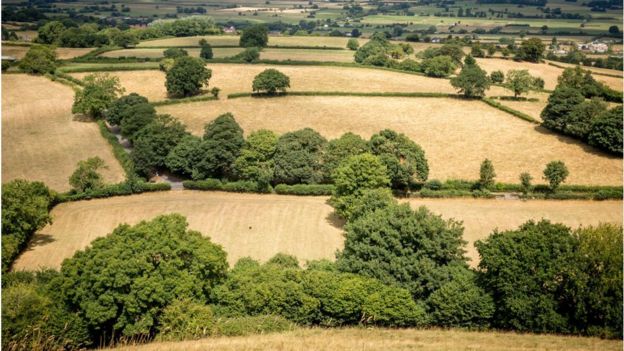 Image copyright GETTY IMAGESImage captionSweltering summer temperatures could become the new normalDuring last summer's heatwave, he points out, there were problems on the railways, including buckling rails and signal failures, as well as on the roads as tarmac melted. Mobile phone masts and poorly ventilated offices also struggled to withstand the heat.In a 2018 report, the House of Commons Environmental Audit Committee pointed out that continuity plans were vital to help businesses avoid "significant economic losses" during extreme weather events, but that some firms remained unprepared. Businesses also only tended to take action after they had been hit by a climatic event.Prof Hawkins believes firms are slowly starting to change and that what happened last summer is focusing their minds."What they need to know is that the heat of last summer will be considered normal by the middle of the century and cold by the end of the century unless we cut our emissions levels."
"Take fruit farms, where the blossom period is crucial. If things that normally start flowering in March start flowering in February because of the weather, it can end up damaging the quality of the crops or lead to lower yields."He thinks we will see more freak weather events as global warming intensifies, and this will have financial costs for "most businesses, directly or indirectly"."It could be through decreasing yields in agriculture, slower productivity when it floods or snows, or by pushing up prices in our shops."Hot v cold
Typically, extremely cold weather is tougher on businesses than freakishly hot weather, Dr Williamson says, because it brings supply chains to a standstill and makes it hard for people to get to work.Take the big freeze we saw this time last year - also known as the Beast from the East - which hit the construction sector, fuel sales and High Street shopping.Image copyright GETTY IMAGESImage captionThe icy weather last February and March brought parts of the UK to a standstillHowever, while unexpectedly hot weather may boost consumer confidence, it can be damaging too.Following the heatwave last June and July, energy company SSE warned that its first-quarter profits would be £80m lower than expected after household demand for energy fell and a lack of wind affected its turbines.And Superdry has blamed recent poor performance on unseasonably warm weather conditions that made it harder to shift winter clothes.Disruption or opportunity?
In truth, says Leigh Sparks, a professor of retail studies at the University of Stirling, extreme weather can cause both disruption and opportunity, and it is up to retailers to harness the opportunity."It could be disruption in the sense that if it's very cold you can't get products through. But then that creates opportunity for local stores and supply chains," he says."The trick is making sure you get the right products to market fast enough and don't end up with too much inventory on your hands."Image copyright GETTY IMAGESImage captionThe heatwave last July boosted UK tourist destinations like Aberdour in FifeComplicating the picture, firms may also experience a "deferral effect" during periods of freak weather, says Jonathan Reynolds, academic director at the Oxford Institute of Retail Management."Consumers may postpone certain purchases until later in the year, or their spending may shift from retail to leisure and going out."To protect themselves, some big companies invest in specialist weather-forecasting systems or employ in-house meteorologists.Others, like the fast-fashion retailer Zara, pride themselves on being able to get new products on to their shelves at lightning speed whenever weather trends change. They may also hedge their bets by offering a wider choice of products throughout the season.However, it's not just domestic weather events that affect UK businesses, says Ed Hawkins, a professor of climate science at the University of Reading.Take recent heatwaves in Northern Europe, which have caused global wheat prices to spike, or floods in Thailand - a major manufacturer of computer hard drives - which hit the world PC market in 2011.Climate change risks
"UK businesses will have to get used to hotter temperatures if global warming continues at its current pace," says Prof Hawkins. "And that will create challenges unless they invest in strengthening their infrastructure."Image copyright GETTY IMAGESImage captionSweltering summer temperatures could become the new normalDuring last summer's heatwave, he points out, there were problems on the railways, including buckling rails and signal failures, as well as on the roads as tarmac melted. Mobile phone masts and poorly ventilated offices also struggled to withstand the heat.In a 2018 report, the House of Commons Environmental Audit Committee pointed out that continuity plans were vital to help businesses avoid "significant economic losses" during extreme weather events, but that some firms remained unprepared. Businesses also only tended to take action after they had been hit by a climatic event.Prof Hawkins believes firms are slowly starting to change and that what happened last summer is focusing their minds."What they need to know is that the heat of last summer will be considered normal by the middle of the century and cold by the end of the century unless we cut our emissions levels."DISCLAIMER: The Views, Comments, Opinions, Contributions and Statements made by Readers and Contributors on this platform do not necessarily represent the views or policy of Multimedia Group Limited.
Tags:
DISCLAIMER: The Views, Comments, Opinions, Contributions and Statements made by Readers and Contributors on this platform do not necessarily represent the views or policy of Multimedia Group Limited.
Latest Stories
-
Tribunals alone will not fix delays in Ghana’s courts; funding is the real solution – CLRL
5 minutes -
South Africa says more than 53,000 foreigners deported in migration campaign
10 minutes -
Thousands may have died in UK’s exceptional May and June heatwaves
19 minutes -
At least 27 killed, eight critically injured in Bangkok bar fire
27 minutes -
Will Trump Accounts deliver for American children?
36 minutes -
US insists Strait of Hormuz is open as it exchanges strikes with Iran
45 minutes -
Infantino opens door to 64-team World Cup
5 hours -
Sinner says successful Wimbledon defence sweet after French Open shock
5 hours -
England have another level we can reach – Kane
5 hours -
Sinner holds off Zverev to defend Wimbledon title
5 hours -
Rice in bed for nearly three days before Norway game – Tuchel
6 hours -
Argentina midfield great Rattin dies aged 89
6 hours -
Miss Ghana 2026 contestants join national clean-up exercise to promote civic responsibility
6 hours -
Fifa official refuses to answer BBC’s Balogun ban questions
6 hours -
Rev Stephen Wengam urges sustained prayer for revival at Guyana Assemblies of God Council
6 hours