

Audio By Carbonatix
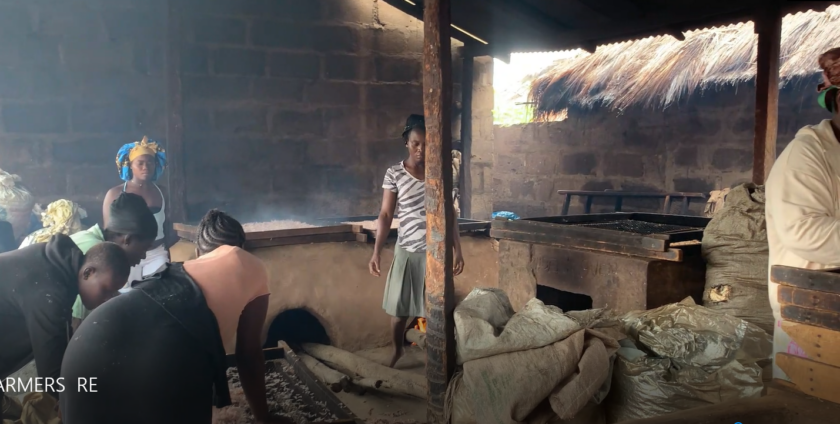
Along the salty breeze of Ghana’s Volta Region coastline, fishmongers are confronting a growing crisis, one driven not only by economic hardship but also by climate change. In these coastal communities, the once reliable supply of firewood, essential for traditional fish smoking, is rapidly dwindling. This shortage is disrupting livelihoods and forcing many to reconsider long-standing practices in search of more sustainable solutions.
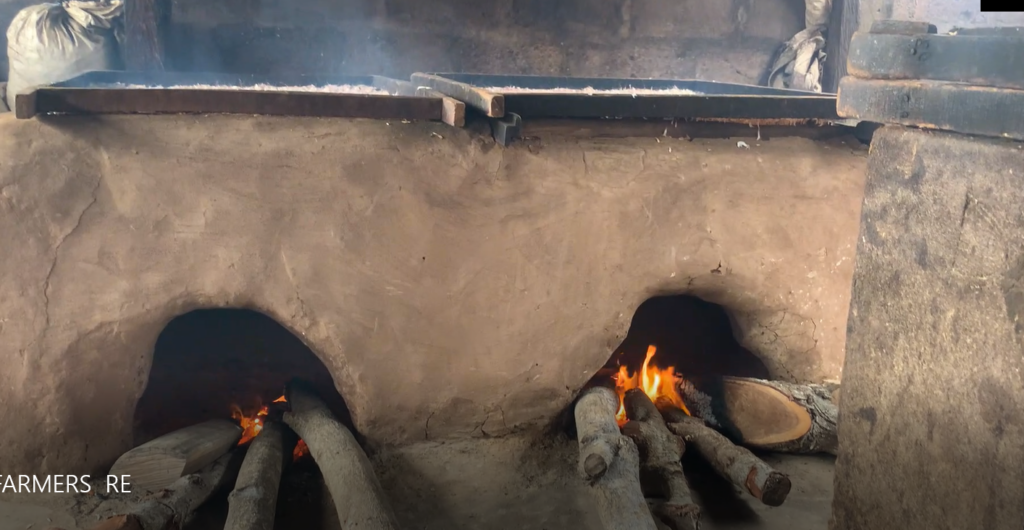
For generations, women have depended on firewood to smoke fish, a trade that sustains households and supports local economies. However, changing climate patterns, deforestation, and increasing pressure on forest resources have made firewood both scarce and expensive. What was once an accessible resource is now a burden, exposing the vulnerability of communities whose livelihoods depend heavily on natural ecosystems.
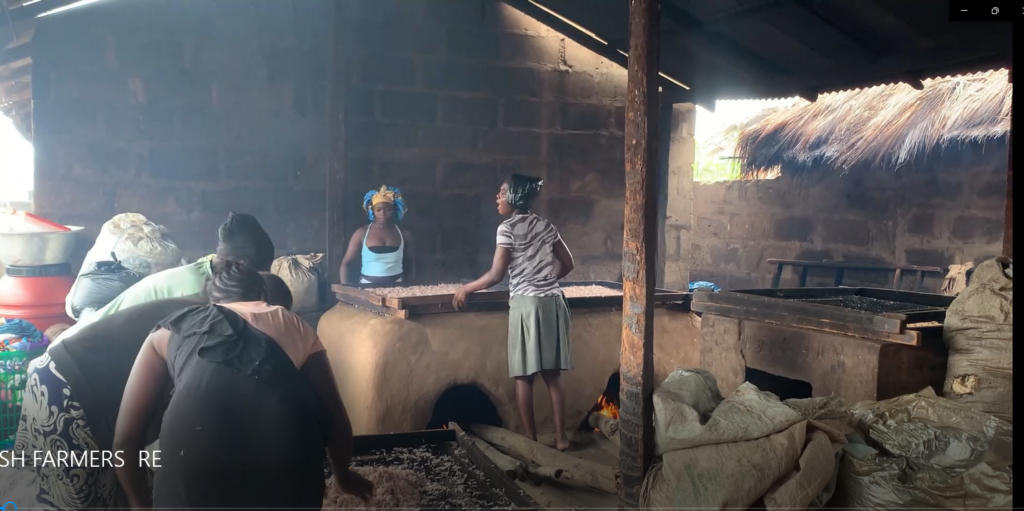
Beyond the economic strain, traditional fish smoking methods pose serious environmental and health risks. The thick smoke emitted from open fires contributes significantly to air pollution and accelerates climate change through carbon emissions. For the women and children who spend long hours around these kilns, the health consequences are severe. A research note by Gordon et al. (2011) highlights that fish smoking has long been associated with health risks, including heart disease, lung cancer, cataracts, anaemia, and even miscarriage.
In response, health advocates and environmental organisations such as the Climate and Development Knowledge Network (CDKN) are promoting cleaner, climate-smart technologies. Improved fish smoking ovens, such as the Chorkor smoker and the FASO (Fish Smoking Oven), offer more energy-efficient alternatives that significantly reduce smoke emissions and firewood consumption.
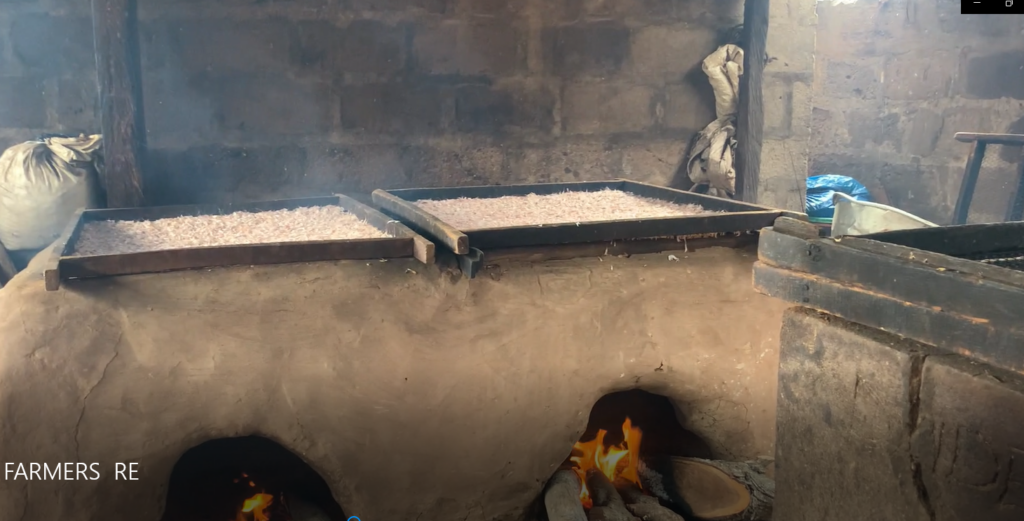
Local women’s cooperatives, working alongside NGOs and government agencies, are championing the adoption of these improved technologies. These efforts reflect a growing awareness of the need to balance livelihoods with environmental sustainability. However, affordability remains a major barrier. As highlighted in Attah-Peters (2023), many women simply cannot afford the upfront cost of constructing improved ovens, purchasing smoking trays, or hiring skilled labour.
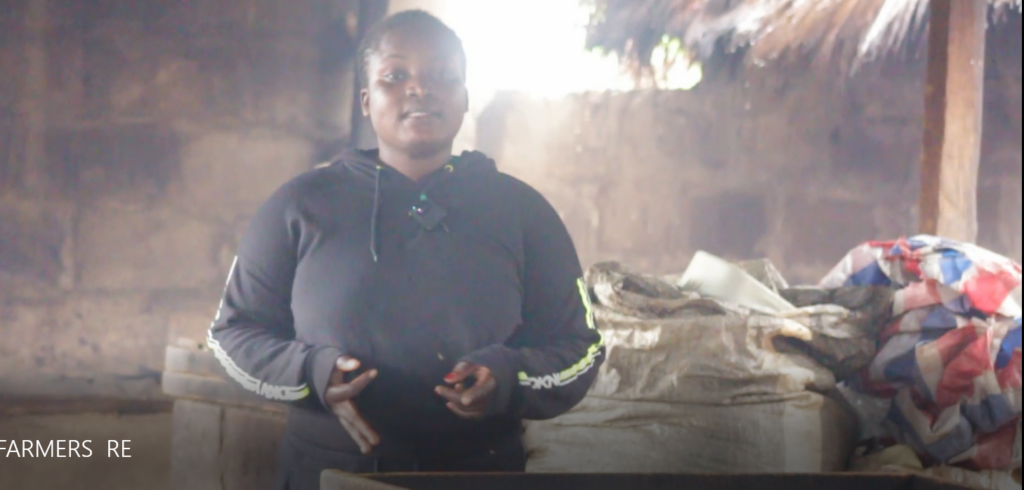
One fishmonger explained, “When one does not have enough money, one cannot construct the oven…”
Despite these challenges, there is evidence that innovation can bring economic benefits. Fish processed with improved ovens often fetch higher market prices due to better quality, more uniform appearance, improved colour, shape, and taste. This demonstrates that climate-friendly solutions can also enhance income if made accessible.
Other proposed alternatives, including LPG, grass charcoal, and solar dryers, offer additional pathways toward reducing dependence on firewood. Environmental groups argue that scaling up access to such technologies could significantly cut emissions, slow deforestation, and build resilience against the impacts of climate change.
As coastal fishmongers navigate these intersecting pressures, their voices reflect more than a struggle for survival; they signal a broader grassroots movement toward climate-conscious livelihoods. Their call is clear: with the right support, sustainable fish processing can protect both people and the planet.
********
This story is brought to you by JoyNews in partnership with CDKN Ghanq, University of Ghana Center for Climate Change and Sustainability Studies, with funding from CLARE R4I Opportunities Fund.
Latest Stories
-
Nkrumah family pays tribute to Gamal, says he died after prolonged illness
2 minutes -
Police arrest eight suspects in anti-narcotics operation at Okaishie Drug Lane
13 minutes -
Benjamin Danso pledges grassroots empowerment in NDC regional chairmanship bid
15 minutes -
GES recommends reposting of Obuasi SHTS headmaster after August 2026 campus riot
18 minutes -
Rocky Dawuni celebrates King Ayisoba for taking traditional music global
30 minutes -
Ghana targets $5bn in annual economic gains from AI – Sam George
32 minutes -
From childhood dreams to future careers: Ecobank’s Big Pitch seeks to promote early savings and investment
34 minutes -
Public office demands make party work difficult for NDC appointees – Mahdi Gibril
35 minutes -
AI could deepen rural-urban inequality without better connectivity – Sam George
38 minutes -
One of six inmates who escaped from Konongo police cells rearrested
43 minutes -
Sam George cautions ministers against reading unverified AI-generated speeches
47 minutes -
Ghanaian entrepreneur Mary Nyamekye Asamoah wins Africa Travel 100 award
50 minutes -
Obuasi SHTS abuse: Sanction all officials who failed to act – Moving Masculinity
55 minutes -
Lucy Agyepong honoured for excellence in engineering education at maiden GAAS Women’s Awards
58 minutes -
Harriet Afia Konadu Asiedu
1 hour