

Audio By Carbonatix
The Ghana Agricultural Workers’ Union (GAWU) is questioning the number of jobs created under the government's flagship Planting for Food and Jobs programme.
According to the Ministry of Food and Agriculture, more than two million jobs have been created since the program started in 2017.
Though GAWU will not put out alternative figures, its General Secretary, Edward Kareweh, wants a review of how these jobs are determined.
The introduction of the Planting for Food and Jobs Progamme was to promote food security, ensure ready markets for produce and provide jobs.
Earlier this year, the government claimed more than two million jobs have been created under the programme.
General Secretary of GAWU, Edward Kareweh, is however questioning the employment figures.
“The Planting for Food and Jobs programme is alleged to have brought the creation of jobs. We have been questioning all that. How do they determine the jobs, and what is the sustainability of those jobs?
"Over two million to three million jobs have been created per the statistics of the Minister of Agriculture. But we ask ourselves, where are the jobs?”
He insists clarity must be given.
“We believe jobs are tangible and verifiable. What is Ghanaians understanding of the word ‘job’? He is not talking about having a one-day job or a week job. He is talking about something he can depend on for his daily livelihood and dependence. The jobs created under the Planting for Food and Jobs, can they tell us if it meets these types of criteria?”
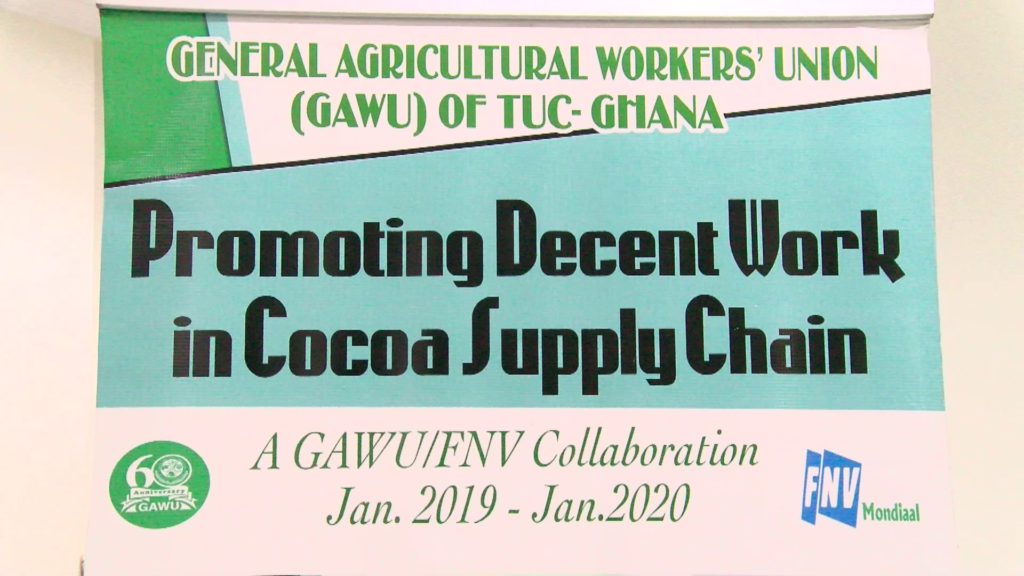
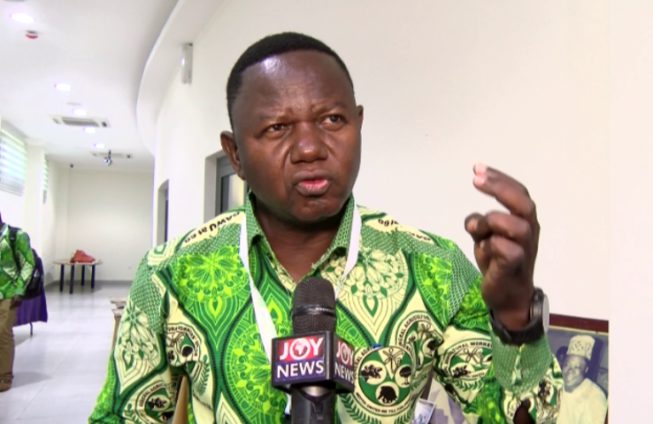
Edward Kareweh spoke to LUV NEWS on the sidelines of GAWU's 60th Anniversary Celebration and its 11th quadrennial delegates’ conference in Kumasi.
The theme for the conference was “60 years of promoting decent work in Agriculture: the role of GAWU”.
Mr. Kareweh observed that the unbridled importation of food items continues to undermine the efforts of farmers.
He also said the programme has failed to address post-harvest losses and. access to markets.
“The program has not been able to address post-harvest losses and also create market for farmers. In 2019, rice farmers were left with their produce at the mercy of the weather. They had produced and harvested in the rains, and there was no market.
Mr Kareweh observes food glut in some parts of the country in the absence of a ready market.
“Visit the Brong Ahafo or the Northern regions, areas where tomatoes are mostly produced in large quantities. These produce are left to rot. The Planting for Food and Jobs has not yet been able to address that.”
GAWU with a membership of about 55,000 is pushing for an environment that will enable farmers to grow sustainably.
Latest Stories
-
Ghana at the heart of global PR excellence
4 minutes -
Ghana Institute of Architects clarifies position on ARC-ASG dispute amid ongoing case
5 minutes -
NDC supporters storm Fomena constituency office over alleged disqualification of chairman aspirant
8 minutes -
NPA CEO assures tanker drivers of action on welfare concerns
9 minutes -
Karpowership seeks contract extension as Ghana’s power demand grows
11 minutes -
Gender Ministry inaugurates committee to drive early childhood development
13 minutes -
Four Schools, One Crown: Prempeh, Corpus Christi, Mfantsipim and St Augustine’s battle for NIQ trophy
14 minutes -
HIV status cannot be used to deny employment under Ghana law – Ghana AIDS Commission
15 minutes -
Buffer Stock calls for expansion of national storage capacity as it falls below 50,000 metric tonnes
16 minutes -
Central Regional Minister urges use of religious platforms to change environmental, sanitation practices
38 minutes -
Henry Kweku Banning
39 minutes -
Execution of US murderer Christa Pike halted an hour before it was due to happen
41 minutes -
GoldBod generates US$1.87bn in FX in September, exceeds monthly target
44 minutes -
SOE comments controversy: ‘We must never abandon our humanity because of judicial office’ – CJ
54 minutes -
Samuel Kojo Brace declares intention to contest NPP parliamentary primary in Ahanta West
55 minutes