

Audio By Carbonatix
Three years ago, on a flight from Accra to Tamale, I bumped into a young British couple that had been traveling around Ghana for about two months.
Dean Rogers and his wife, in their early 30s, were scouting around for opportunities before deciding if settling in Ghana was the right thing to do.
They had volunteered in the Volta region, spending six weeks in total. It was one of the most amazing periods in our lives, they told me on the flight. From Liverpool, the trip to Ghana was the very first to Africa.
They arrived in Ghana hoping to spend the six weeks and leave-but the people and culture changed their minds. They barely knew each other when they arrived, but after two weeks of work, they became traveling buddies and kept on with the friendship. They later got married and after two years, the wife, Samantha, brought the idea of a trip back to Ghana in an evening conversation.
“Sam never got the idea of Ghana out of her head,” Dean said. “Even before we got married, she kept telling me how moving back should be on the cards.”
Sam, who had just woken up from a brief nap, nodded with a smile. Spotting sleeveless shirt with a military lookalike pants with side pockets, her bucket hat resting on her left knee, she said the work in the Volta region with the women was an “eye-opening for me especially when you consider where I come from-Liverpool.”
The second trip to Ghana was therefore to explore the country, and see what may be on offer for them, should they decide to move, in the future.
“We don’t intend to stay in the UK for that long,” Sam chipped in.
On a whole, they spent six months traveling around the country, documenting their experience, including their fears. From three years ago until now, they have made not less ten trips to Ghana.
The pandemic restricted their travel plans and within that period, Sam became a mother to a lovely baby boy, Oliver. Now busy and balancing work with raising a baby, they have not given up the idea of moving to Ghana.
They agree visiting Ghana as a tourist is different from planning to settle. The dynamics are completely different, especially from those who have made the journey and had to struggle to find their feet, with or without a guide to help them navigate their way.
One, therefore, needs well-detailed information on almost everything, including housing, a school for children, jobs and related tools associated with relocating to a new country.
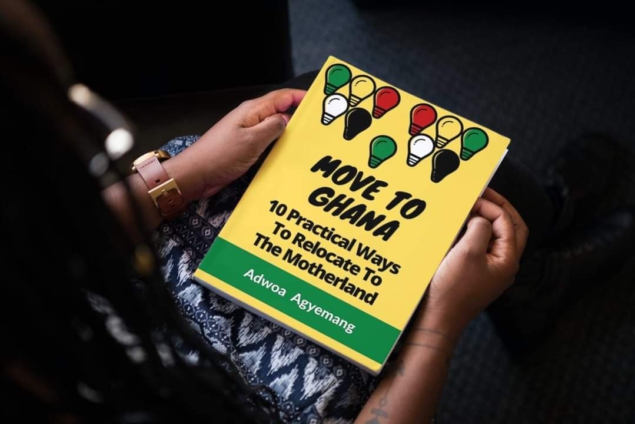
The truth is, it is not always that simple but, the latest book by Adwoa Agyemang, “MOVE TO GHANA” 10 Practical ways to relocate to the Motherland, offers some important ingredients essential to those willing to make the transition, like Dean and Sam.
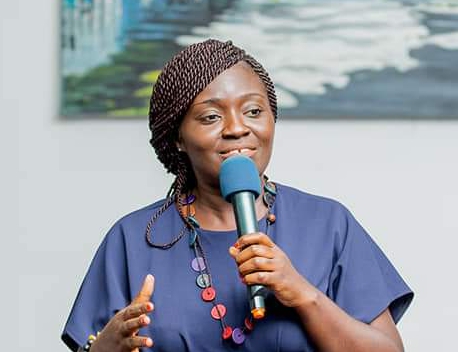
Adwoa Agyemang is a networking princess, relocation coach, event organiser and founder of the Ghanaian Londoners (GLN) Network, and knows about the pitfalls involved in relocating without the right information.
Herself a returnee who moved to Ghana in 2012, she said the reason for the book is to help “address questions” from those willing to relocate but uncertain about what awaits them. The knowledge is therefore to help them plan and prepare before they move.
“The book will help you clarify your thoughts, identify opportunities around you and encourage you to start preparing for your journey back home, whether to live or to invest,” she wrote.
The book is structured into 10 chapters and each addresses a specific topic on the relocation plan. She offers key action points at the end of most chapters, where she offers practical and workable solutions to expected challenges, and how they can be overcome.
In Chapter Six, the author addresses the subject of job search and how to navigate it.
“The first step to accepting a job in Ghana is to visit beforehand, ensure the terms are right, and know what you are walking into – i.e. the culture of the organisation, style of management, and expectations.
"This is especially key if you are joining a local business rather than a multinational one. Ensure that you (and if appropriate your partner and family) are prepared to be open, try new things, give it time and be committed. A lot of it is about attitude. Be prepared to go out and make a life outside of work and meet new people. Invest time in understanding the work culture and what you have to do to succeed in any role.”
You can get copies via https://payhip.com/b/yfNeP or connect with the author on Facebook, or LinkedIn.
Latest Stories
-
Aggrieved teachers demand payment of unpaid four-year legacy arrears
13 minutes -
Skipping breakfast bad for your health?
26 minutes -
Kpeshie Lagoon reclamation linked to first-ever flooding at Tse Addo – ISD
34 minutes -
GRA announces major policy proposal under Modified Taxation Scheme initiative
49 minutes -
TCL sues Samsung for false advertising over ‘Mini LED’ televisions
57 minutes -
US embassy child abuse images suspect flown from UK before police interview
1 hour -
Payment dispute led to murder of Dr Jesse Amuah and wife at Asylum Down – Court told
1 hour -
COPEC calls for GH¢1 petrol, continuation of GH¢2 diesel subsidy amid price surge
1 hour -
Petrol to sell at GH¢16.26, diesel GH¢19.07 from Wednesday – COPEC
2 hours -
Massive crowds flock to JoyNews–Republic Bank Habitat Fair on final day to explore mortgages and seek expert advice
2 hours -
Ghana’s Alice Banaaza spotlights fugu weaving at 2026 CHAN Festival in UK
2 hours -
Russia’s Youth Festival could unlock business partnerships and scholarships for Ghanaian youth – John Aggrey
2 hours -
The 21st Century Gold Standard was piloted in Ghana under Bawumia – Gideon Boako
2 hours -
Ahafo NDC Vice Chairman pays nomination fees for 168 constituency executives ahead of 2026 internal reorganisation
2 hours -
Upper West receives GH¢101.9m DACF for development projects
2 hours