

Audio By Carbonatix
As Ghana commemorates Green Ghana Day, a new study conducted by the Institute of Statistical, Social and Economic Research (ISSER) has revealed alarming statistics about the country's environment and natural resources.
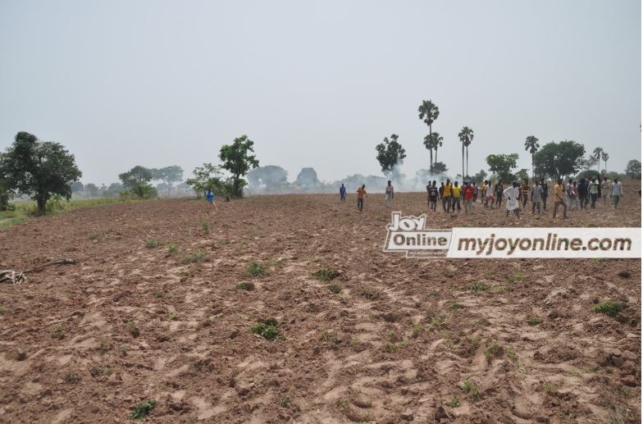
The report highlights that approximately 35% of Ghana's land is under imminent threat of desertification, necessitating immediate action to combat this growing crisis.
The environment has long been a crucial component of Ghana's socio-economic development, providing natural resources, sustenance, and employment opportunities. However, improper management of these resources has resulted in detrimental consequences that undermine the country's social and economic progress.
Using the Environmental Systems Framework, the ISSER report shed light on the continuous degradation of various environmental elements, including the atmosphere, freshwater, biodiversity, and land, between 2016 and 2022.
These findings exposed the pressing need for comprehensive policies and regulations to address the escalating environmental challenges in Ghana.
One of the concerning trends highlighted in the report was the rising temperatures experienced in the country over the years, with 2020 registering the highest increase, and closely followed by 2016.
Ghana's greenhouse gas emissions have also seen a significant uptick, standing at 58.56 MtCO2e in 2019, representing a 16% surge compared to the baseline levels in 2016.
The issue of freshwater pollution has been exacerbated in recent years, primarily due to the prevalence of illegal small-scale mining, known as "galamsey." This activity has resulted in severe contamination of water bodies, posing a significant threat to aquatic ecosystems and human health.
The report further highlights the critical state of Ghana's wildlife, with several species, including the blue whale, common chimpanzee, Egyptian vulture, African grey parrot, and Baker's wood mouse, being classified as endangered. This alarming trend underscores the urgent need for concrete efforts to protect Ghana's unique biodiversity.
To address these environmental challenges, ISSER recommends a series of strategic measures and actions. These include expediting the implementation of the long-term National Development Plan of Ghana (2018-2057), empowering environmental sustainability enforcement bodies and institutions, promoting climate-smart agricultural practices, accelerating the implementation of the community mining module, and increasing public awareness about the importance of environmental resilience.
In light of the upcoming Green Ghana Day, ISSER also emphasises the need for meticulous monitoring of the growth of trees under the 'Green Ghana Agenda.' It is crucial for the government to track progress accurately to ensure the success of this initiative and combat deforestation effectively.
Latest Stories
-
‘There is no competition’ – Justin Kodua confident of NPP General Secretary re-election
6 minutes -
J100 Accra Doubles Champions : Kolesolva/ Ndukwa, Agarwal/Patel seal title victories
8 minutes -
Sydney Wright crowned J100 Accra Champion
12 minutes -
J100 Accra Boys’ Singles: Verma denies Beckles back-to-back titles to claim crown
15 minutes -
Two friends fined GH¢12,000 for stealing
21 minutes -
Son jailed for threatening to stab mother
37 minutes -
Drive constitutional reform – GJA urges journalists
59 minutes -
NPP Delagates Congress: Confusion delays voting at Ashanti Region TESCON centre
2 hours -
Fire ravages shops, houses near Koforidua Central Police Station
2 hours -
NPP Delegates conference: The wisdom of the masses will prevail – Napo
3 hours -
Flydubai co-pilot attacked captain with axe, UAE official says
3 hours -
NPP Bosome Freho Constituency Chairman reportedly arrested over ballot paper incident
3 hours -
Medical plane with 6 on board missing off Massachusetts coast
3 hours -
Bolt driver jailed 25 years for robbing beautician
3 hours -
Happy 76th Birthday to the Daily Graphic!
3 hours