

Audio By Carbonatix
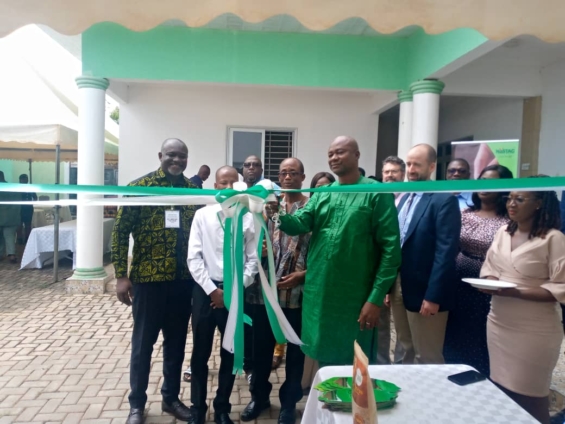
The Deputy Minister for Agriculture, Hardi Tufeiru, has indicated that certified seed use by farmers in the country has seen a significant increase following the introduction of the Planting for Food and Jobs programme.
He said about 40 percent of farmers now use improved seeds for farming.
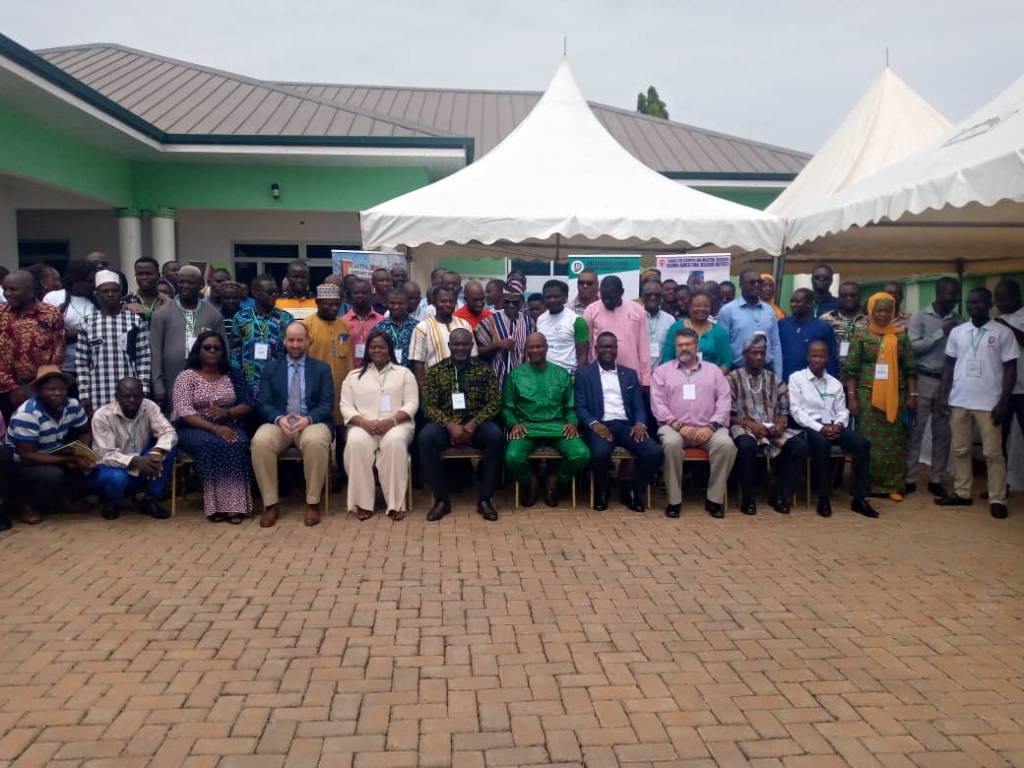
The Deputy Minister, who said this at the 4th National Seed Business and Networking Forum Seed Link 2023 in Tamale, said while this represents significant progress, there is a need for more farmers to adopt the practice.
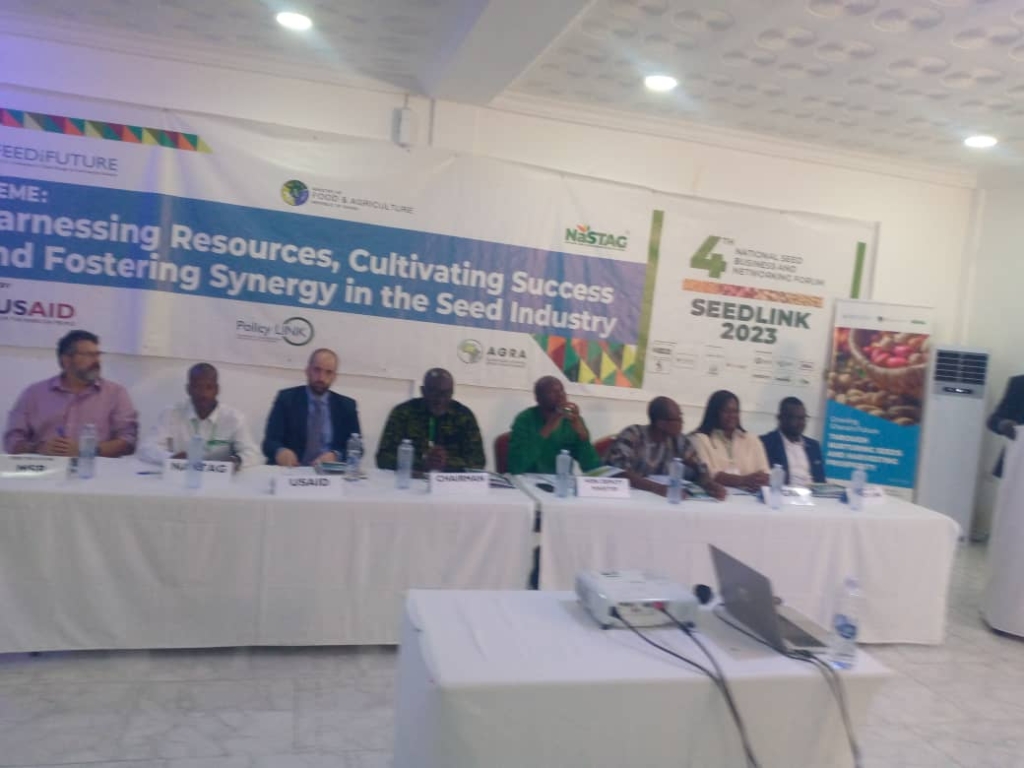
“From 2017 to 2022, we have seen a surge in the use and application of certified seed by farmers. We have seen that farmers have been advised and encouraged to use certified hybrid, open varieties of the certified seed in Ghana from less than 10 percent to now 40 percent. So you can see that a lot more farmers now see that if you use hybrid seed, your chances of productivity is higher than the traditional reuse seeds,” he said.
Mr Tuferu said Ghana in 2020 produced over 17,000 metric tons of certified seeds, adding that even though this success was achieved, government had to import maize seeds for planting because of the non-availability of maize seeds.
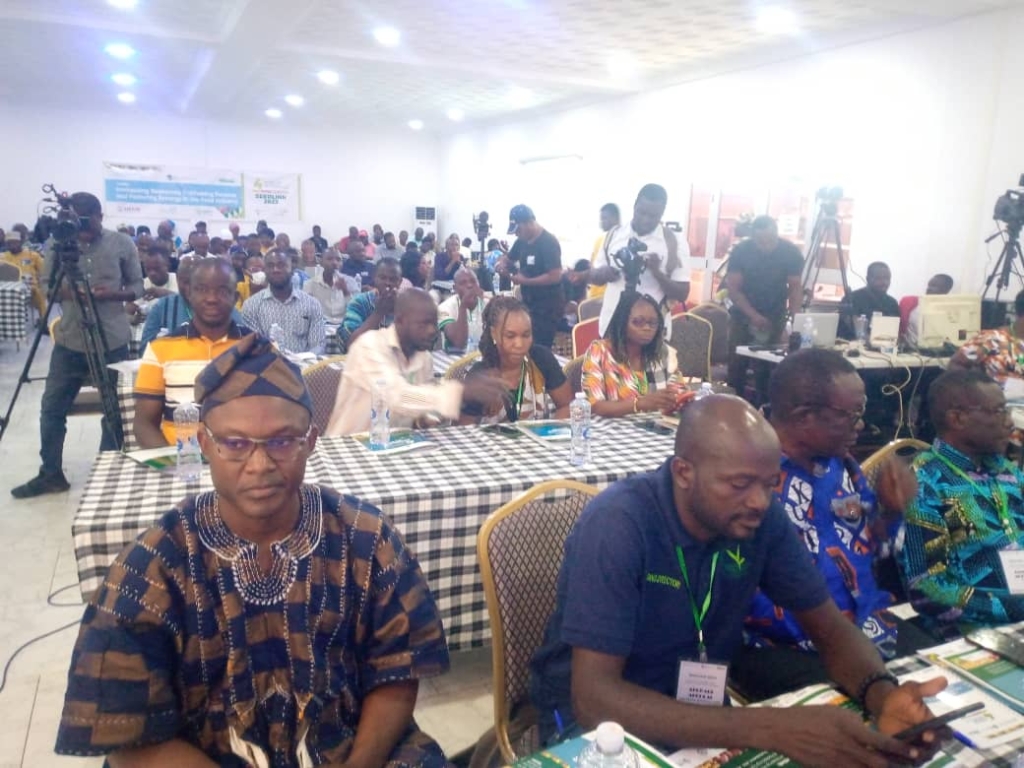
He therefore urged the seed producers to take advantage of the market and produce to meet the demand.
The President of the National Seed Trade Association of Ghana (NASTAG), Dr Amos Rutherford Azinu said the past few years have been nothing short of exceptional within Ghana's seed sector.
He said the country has witnessed an upsurge in the demand for certified high-quality seeds. Dr Azinu said farmers are in search of high-yield, resilient, pest-resistant seeds to enhance crop productivity.
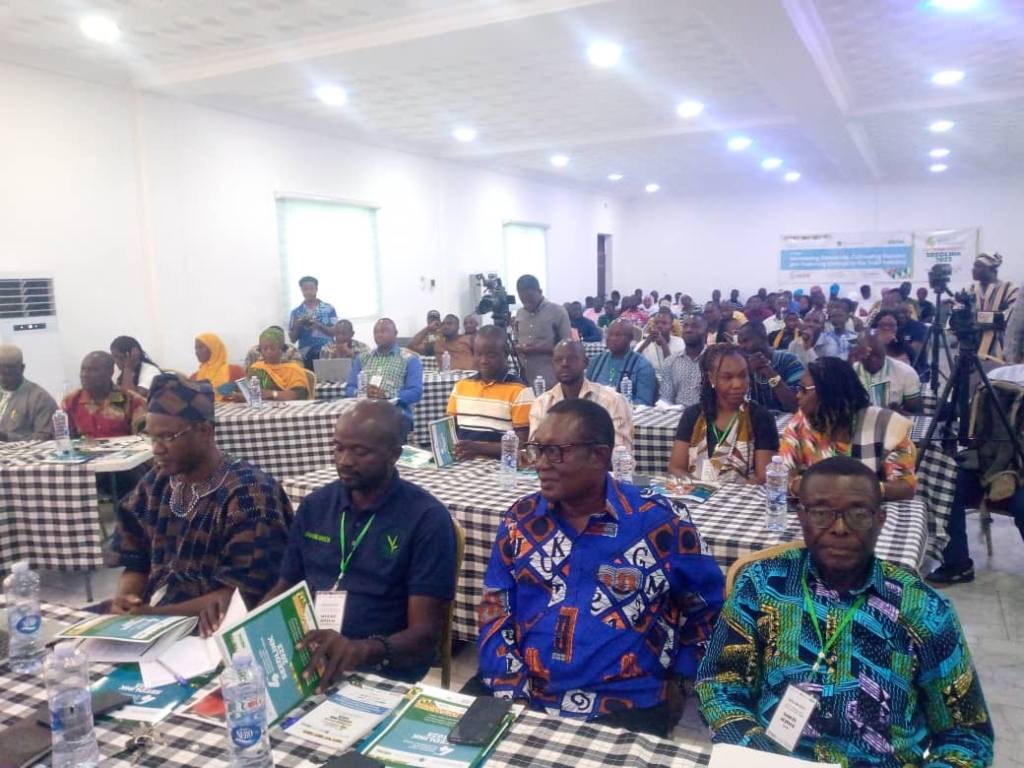
”The private sector has joined this endeavor, significantly boosting farmers’ access to quality seed.”
He stated that they have made notable strides in combating climate change by introducing different varieties of weather-resistant crops.
A seed producer and lecturer at the University for Development Studies, Dr Sanatu Mustaha Alidu outlined land acquisition, land preparation, equipment among others as challenges faced by female seed producers.
”It starts right from the acquisition of land, you would have to get a male in that same field to help you acquire the land. It is a well-known fact that if a woman gets to a community to meet the chief of that community to look for land, she must get a male to accompany her,” she said.
Dr Sanatu called for the roping in of more women in the sector to help increase the voices of women and also empower women.
Latest Stories
-
Sammi Awuku denies reports of EOCO arrest
5 minutes -
Stonebwoy makes history at OVO Arena Wembley with monumental BHIM Festival
51 minutes -
Qatar denies capturing three Iranian pilots after downing fighter jets
1 hour -
Tano North chiefs petition Mahama over galamsey destruction in River Tano
1 hour -
Kalpohin SHS, NOBISCO qualify to represent Northern Region at National Public Speaking Competition
2 hours -
Missing records of illegal gold purchases in Ghana raise concern – Duncan-Williams
2 hours -
Duncan-Williams warns of powerful interests targeting GoldBod
2 hours -
We need to pray for GoldBod – Duncan-Williams
3 hours -
Strong favourites or tougher task – will Arsenal defend their title?
3 hours -
Passengers escape death as VIP travelling from Kumasi to Sunyani catches fire
3 hours -
Ariana Grande leaves problems at home as her tour hits the UK
4 hours -
Multiple suspects at large after five shot at Virginia State University, police say
4 hours -
Three killed as Russia launches fresh aerial attacks across Ukraine
4 hours -
Boxing: John Laryea disqualified in WBA Featherweight title eliminator
4 hours -
Hawaii battles strong winds and rain as Hurricane Lala threat looms
4 hours