

Audio By Carbonatix
Air travellers who hoped the era of "tiny toiletries" was nearly over are facing fresh disappointment, as European airports re-introduce strict cabin bag rules.
Some EU destinations had scrapped the 100ml limit for liquids being carried in hand luggage.
But from Sunday, they must all bring it back due to a "temporary technical issue" with new security scanners. It follows a similar move by the UK earlier this summer.
It means if you have been on holiday, you cannot buy a large bottle of suncream, perfume or a local tipple before you get to the airport and expect to carry it home in your hand luggage.
But why has it happened? And will the relaxed rules that had started in some locations ever return?
What is happening in the EU?
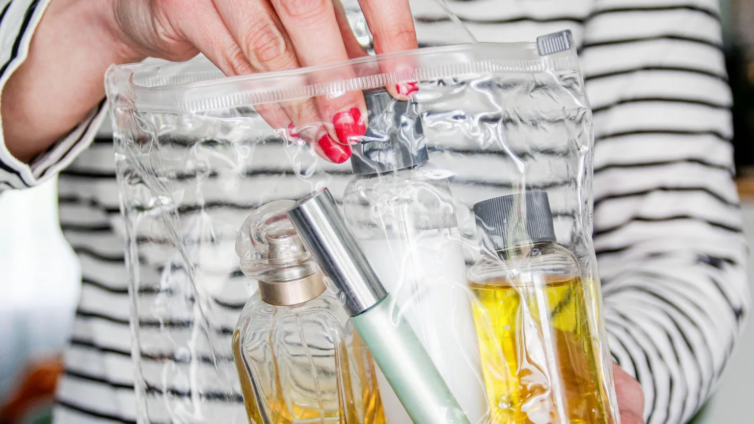
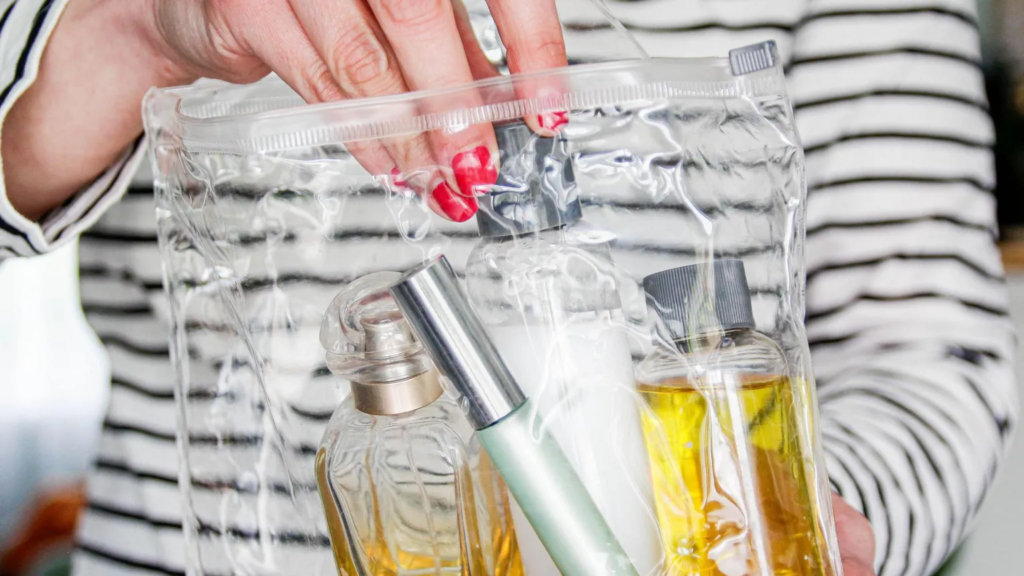
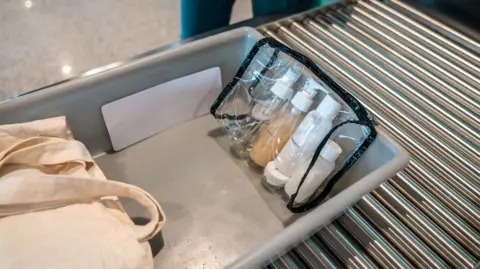
Airline passengers around the world had grown used to strict 100ml restrictions on liquids, pastes and gels, which had to be put in a clear plastic bag.
But new scanning machines which use CT X-ray technology should in theory enable larger volumes of liquids to go through, and laptops to stay in bags.
Some EU airports, for example in Rome and Amsterdam, had already put them in place and eased their rules. Most had not yet. Some others have been trialling the new technology.
The Europe branch of the Airports Council International (ACI) estimates around 350 of these scanners are now in use across 13 EU countries such as Germany, Ireland, Italy, Lithuania, Malta, the Netherlands, and Sweden.
However, the EU has reinstated the 100ml limit so a technical issue with the new equipment can be addressed, although it has not said what this issue is.
Reports have suggested that the scanners were not accurate for some liquid containers being carried in bags.
In July, ACI Europe criticised the restriction as a "setback for the passenger experience and a blow to major investments made by airports".
Its director general, Olivier Jankovec, said security was the top priority, but added that those "which have been early adopters of this new technology are being heavily penalised both operationally and financially".
He also argued that restricting their use "questions the trust and confidence the industry can place in the current EU certification system for aviation security equipment".
What happened in the UK?
Predictions that all the UK’s airports would scrap their hand luggage liquid limits this year did not come to pass.
The previous Conservative government had required state-of-the-art scanning equipment to be installed in security lanes by June 2024.
It hasn’t proved that straightforward.
Some smaller airports, which have fewer lanes to update, did meet a deadline of June 2024.
London City, Teesside, Newcastle, Leeds-Bradford, Aberdeen and Southend had complied on time and dropped the old liquids rules.
However, the likes of Heathrow, Gatwick and Manchester didn't. Reasons varied from the need for construction work, to supply chain problems. They were given more time to get the new kit in place.
But in mid-June, the Department for Transport suddenly announced 100ml liquids limits must be re-introduced where they had been dropped.
Those airports that had scrapped the rule needed to swiftly change their processes and airport bosses were angry at the sudden U-turn.
Why has the rule been brought back?
The European Commission announced in late July that the maximum size allowed for individual liquid containers would revert back to 100ml.
There is no date for when the rules will be relaxed again.
The Commission said this wasn't "in response to any new threat but addresses a temporary technical issue" with the new generation of scanners.
It said it was taking the action "in alignment with the EU’s international partners", and that "swift technical solutions" would be developed.
The UK government previously said the systems needed improving after new information came to light.
However it has also given no end date for the 100ml limit, so it's unclear how long the situation will last.
The Department for Transport said it was "working with manufacturers, airports and international partners to lift restrictions when possible.”
So for the foreseeable future, it's best for passengers to assume the old 100ml restrictions apply, and check the rules at both departure and return airports before travelling.
Latest Stories
-
Hawa Koomson pledges experienced and mature leadership of NPP women’s wing
48 minutes -
Young woman found dead at Kasoa Peace Town
1 hour -
Playback: The Law examined lawful arrest in Ghana
2 hours -
Mahama urges African governments to treat healthcare as an investment, not budget cost
2 hours -
Bawumia congratulates John Boadu and new NPP executives, pledges support ahead of 2028
2 hours -
‘No talent should be left out’ – Bawumia pledges inclusive NPP campaign for 2028
2 hours -
Prof. Mike Oquaye recounts how he blocked the Special Prosecutor’s attempt to arrest Bawku Central MP
3 hours -
Make health sovereignty a priority for Africa – Mahama
3 hours -
Dorimon Naa, Wa West DCE lead massive clean-up exercise; threaten sanctions against recalcitrant residents
3 hours -
Photos from Adom FM Y2K Jam
3 hours -
Praye Tiatia steals the show at Adom FM Y2K Jam [Watch]
3 hours -
Boakye Agyarko congratulates John Boadu, pledges support for NPP leadership
4 hours -
Antwi HiMight thrills fans with Antwi ne Antwi hits at Adom FM’s Y2K Jam [Video]
4 hours -
Amb. Edward Boateng congratulates Boadu, Kodua on election wins
4 hours -
John Boadu pledges to rebuild NPP from grassroots and restore ‘winning machinery’
4 hours