

Audio By Carbonatix
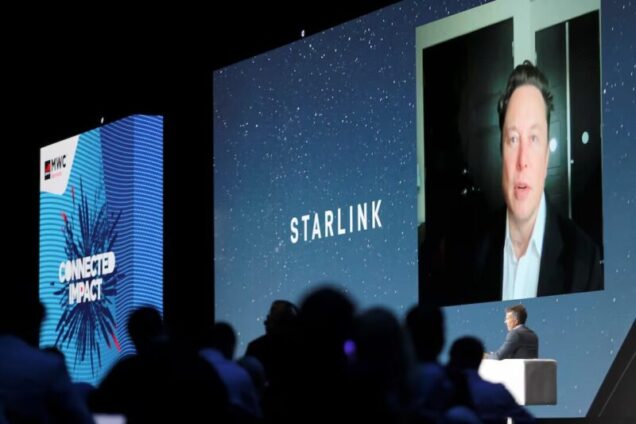
A U.S. House committee said on Monday it is investigating the Federal Communications Commission's decision to deny SpaceX satellite internet unit Starlink $885.5 million in rural broadband subsidies.
The FCC said in December reaffirming its position that the decision impacting Elon Musk's space company was based on Starlink's failure to meet basic program requirements and that Starlink could not demonstrate it could deliver promised service after SpaceX had challenged the 2022 decision.
House Oversight Committee Chair James Comer, a Republican, asked the FCC in a letter Monday to turn over documents by Oct. 21 on the decision.
The committee seeks to ensure the FCC "followed established processes and is not improperly using the regulatory process for political purposes."
The FCC said it had received the letter and would respond.
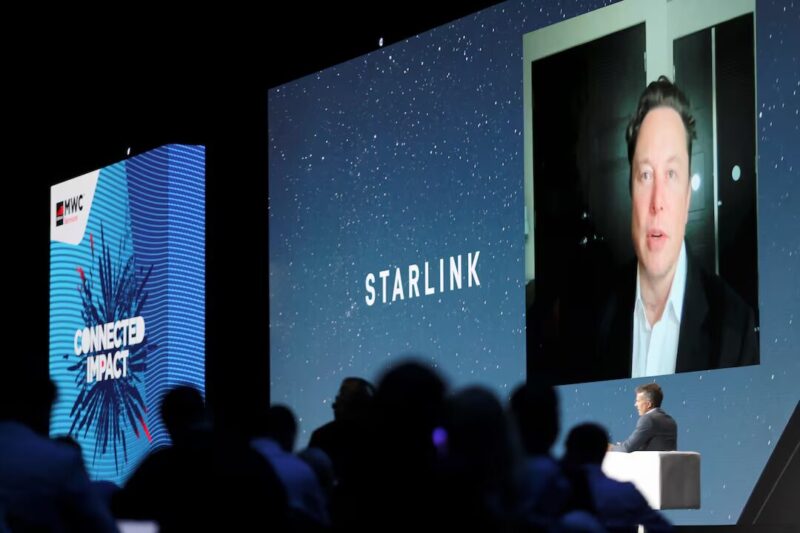
In December 2020, the FCC tentatively awarded $9.2 billion to over 300 bidders to deploy high-speed broadband with SpaceX's Starlink winning $885.5 million in a 2020 auction for rural service.
The FCC opted to deny Starlink the funding in August 2022, citing speed-test data after Starlink had agreed to provide high-speed Internet service to 642,000 rural homes and businesses in 35 states.
Musk has harshly criticized the FCC decision to deny the award he called "illegal" and asserted last week that if Starlink had received he funding "it would probably have saved lives in North Carolina" amid Hurricane Helene.
FCC Chair Jessica Rosenworcel told Congress in February that Starlink's publicly available performance data has confirmed its prior finding that "Starlink had difficulty meeting the basic uplink and downlink speed standards for the program" and added Starlink’s proposal would have required subscribers to purchase a $600 dish to start service.
The two Republican commissioners on the five-member FCC dissented from the decision saying the FCC was improperly holding SpaceX to 2025 targets early.
Last month, Rosenworcel said she wants to see more competition to Starlink, noting it controls nearly two-thirds of all active satellites and has launched about 7,000 satellites since 2018.
"Our economy doesn't benefit from monopolies. So we've got to invite many more space actors in, many more companies that can develop constellations and innovations in space," she said.
Latest Stories
-
Sammy Gyamfi says 2018 NACOC removal from port inspections weakened drug checks
4 minutes -
Greater Accra region accounts for 77% of total secured credit in half-year 2026 – BoG
7 minutes -
Founder’s Day: We face forward, but are we moving?
14 minutes -
Sheenah Naturals unveils Akuaba Collection at Beauty Inside Out Conference
23 minutes -
T-bills: 91-day, 364-day yields to trade slightly higher in second half of 2026
28 minutes -
Black Stars: It’s our decision to leave Kudus to recover – Queiroz
54 minutes -
Sammy Gyamfi backs Mahama’s directive to restore NACOC’s at ports
57 minutes -
Queiroz provides insight into Kudus’ decision to withdraw from Black Stars squad
1 hour -
I’m not changing after 47 Years – Queiroz fires back at critics
1 hour -
Nkrumah Never Dies: Celebrating the visionary who awakened a continent
2 hours -
Hassan Ayariga calls for Ghanaian ownership in strategic investment deals
2 hours -
Black Stars: Thomas-Asante receives late call-up for September-October games
3 hours -
NPP Techiman South demands immediate release of detained Nurse Salomey Awiti Baffoe
3 hours -
‘Let’s stop the politics’ — Dafeamekpor calls for united fight against drug trafficking
4 hours -
Chief Justice Baffoe-Bonnie leads new 11-member Council for Legal Education and Training Board
4 hours