

Audio By Carbonatix
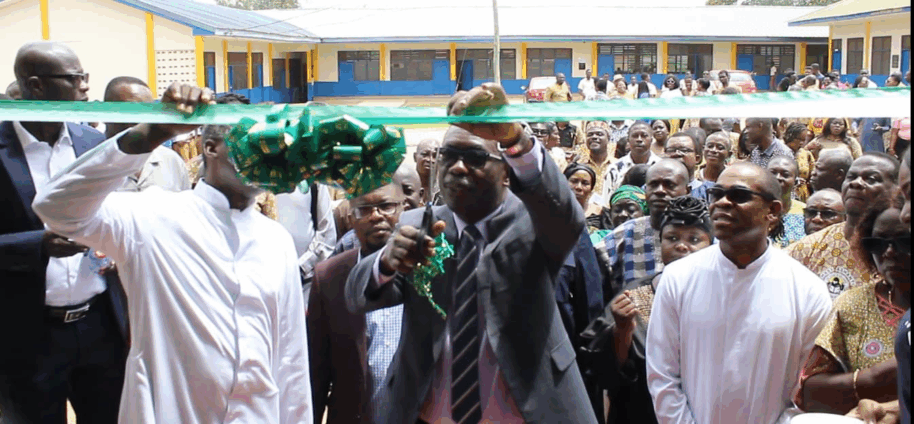
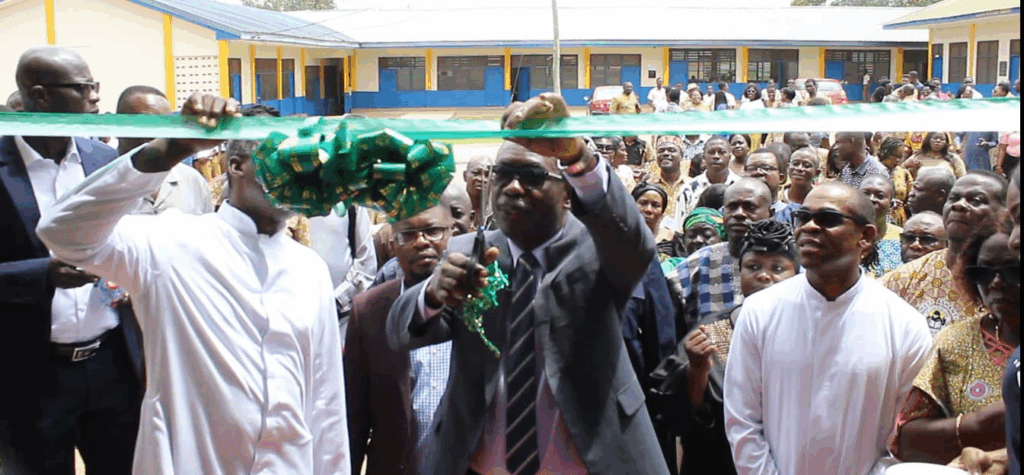
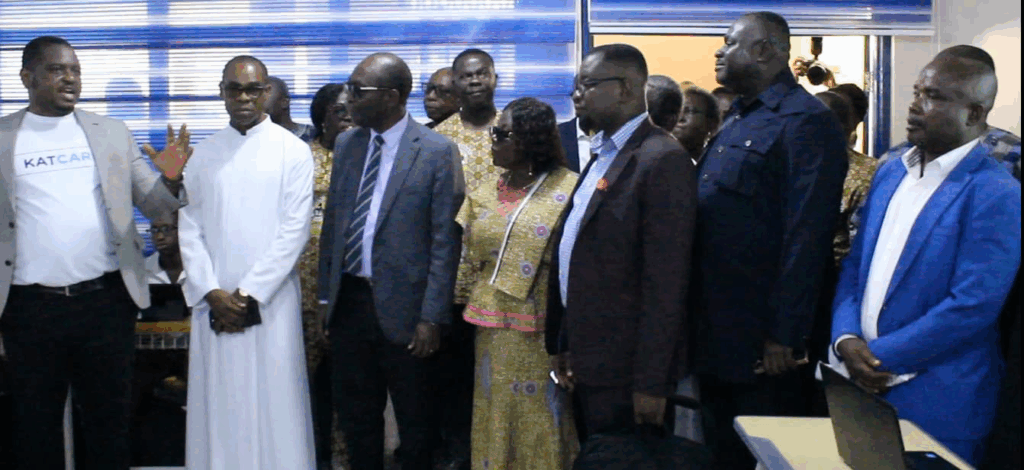
The Director-General of the Ghana Education Service (GES), Professor Ernest Kofi Davis, has commissioned a new 12-classroom digital learning block at Opoku Ware Senior High School in Kumasi as part of the Ghana Smart Schools Project.
The new facility replaces an earlier two-classroom setup and features state-of-the-art digital infrastructure aimed at transforming education through technology.
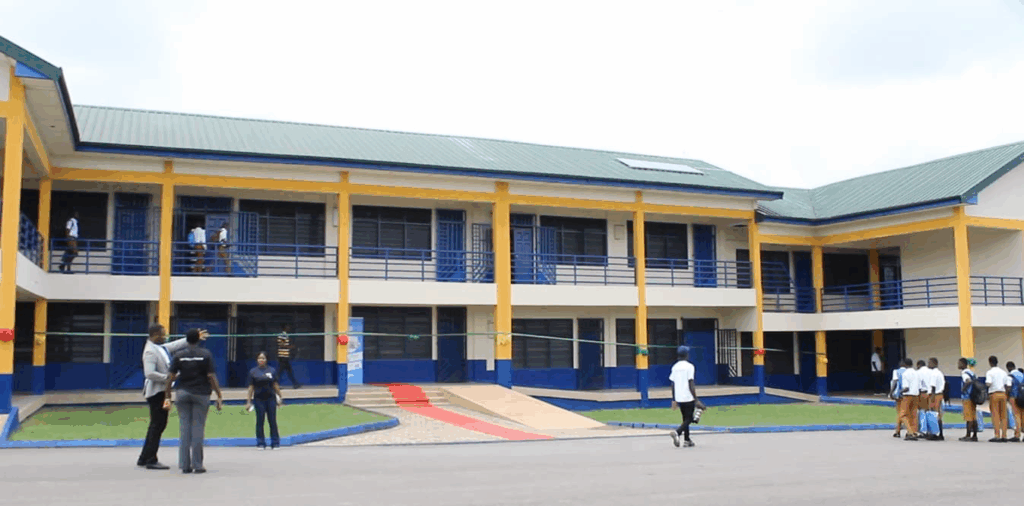
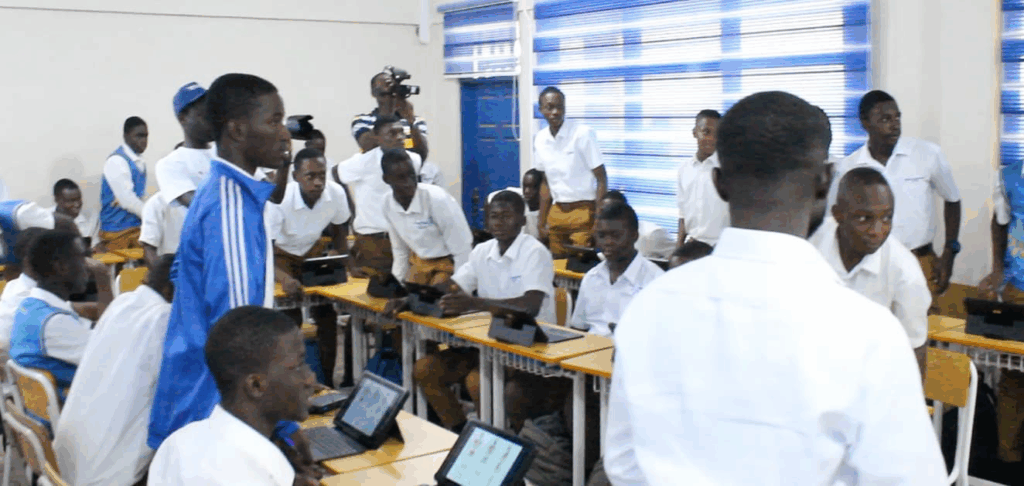
Each classroom is equipped with interactive smart screens, individual student tablets, high-speed internet, solar-powered charging cabinets, and ergonomic furniture to create a modern, connected learning environment.
Professor Davis said the initiative reflects a shift in education from traditional chalk-and-board classrooms to dynamic, tech-driven spaces that foster curiosity, innovation, and collaboration.
“Classrooms of today are no longer defined by four walls and a chalkboard,” he noted. “They are spaces where information meets innovation, and where technology enhances curiosity, collaboration, and comprehension.”
The new smart classrooms will support teaching via the KATON360 Learning Management System, enabling teachers to deliver interactive lessons, conduct real-time assessments, and provide personalised learning experiences for students.
Prof. Davis reiterated the government’s commitment to continuing impactful education policies initiated by its predecessors.
“To this end, the GES will ensure that these initiatives will continue until every student gains access to tablets and their related accessories intended to aid knowledge acquisition,” he said.
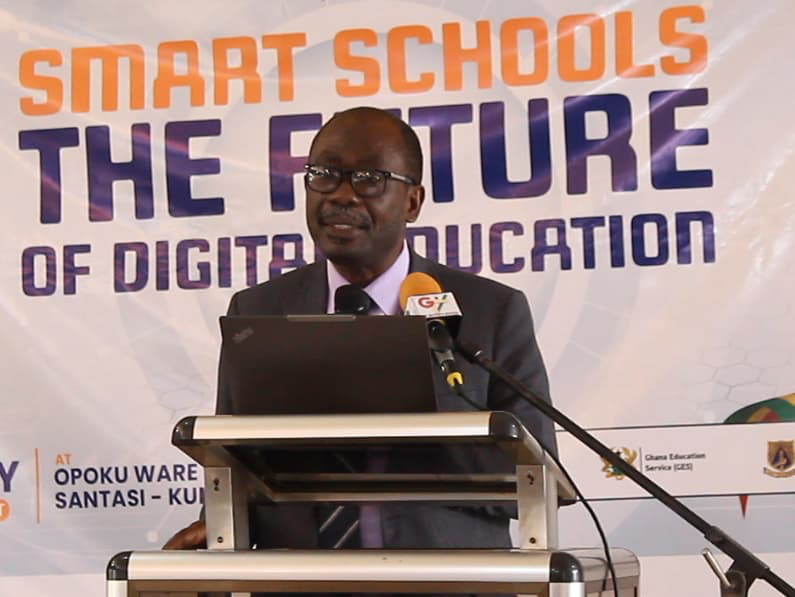
He added that robust internet infrastructure will be prioritised to ensure a seamless smart school experience and hinted at upcoming measures to address concerns related to digital education security, safety, and privacy.
President of the Conference of Heads of Assisted Secondary Schools (CHASS), Rev. Father Stephen Owusu Sekyere, described the initiative as a bold step toward delivering world-class education in Ghana.
He, however, urged government to ensure nationwide inclusivity.
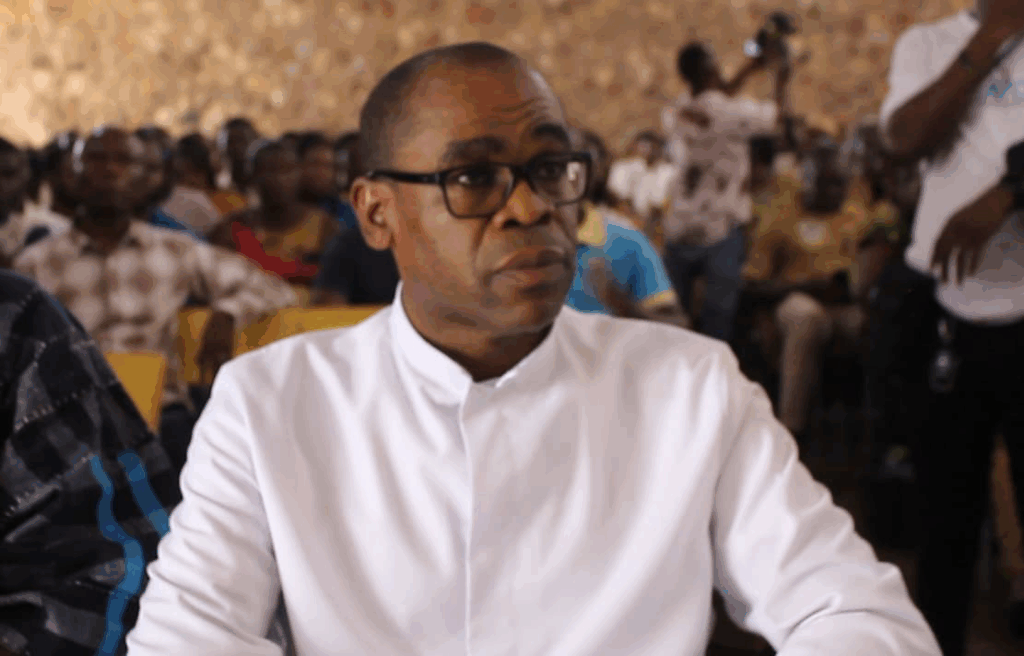
“The smart classrooms project must be extended to every single second-cycle school in the country. It doesn’t matter where the school is — whether it has electricity or not — the student in that village must benefit from this project. This is my passionate appeal,” he said.
The Ghana Smart Schools Project aims to convert existing school facilities into digital learning spaces and construct new ones where necessary.
Students will receive free tablets loaded with textbooks and learning materials, while teachers and GES staff will be equipped with laptops under a separate arrangement.
The overall goal is to enhance teaching and learning outcomes across the country.
The commissioning ceremony was attended by students and heads of various senior high schools in the region, under the theme “Smart Schools: The Future of Digital Education.”
Latest Stories
-
From despair to dance: Family of nurse Salomey Baffoe rejoices after GH¢100k bail granted
40 minutes -
Kejetia Phase III pricing talks loom as government moves to restart stalled works
1 hour -
Nchiraa Yam festival: Two killed, 14 injured as police restore calm
1 hour -
I draw inspiration for my songs from Reggae music – Lyrical Joe
1 hour -
AI must not replace human judgment in public spending – BoG Governor
1 hour -
Ghana should withdraw from 2027 AFCON – Kojo Addae Mensah
2 hours -
Team Ghana departs Accra for Angola ahead of Karting Africa Trophy
2 hours -
AIT President Prof Clement Dzidonu urges lifelong learning as AI reshapes work and education
2 hours -
FWSC to meet striking teacher unions on Tuesday
2 hours -
NPP won’t force candidates to step down – Miracles Aboagye
2 hours -
Black Stars: Building in the sinking sands
2 hours -
Low inflation on paper, high cost of living: How Presidents Mahama and Trump are facing stark economic reality
2 hours -
NPP will negotiate with popular non-politicians to secure winnable candidates – Miracles Aboagye
2 hours -
Only 5% of Ghanaians can afford housing without support – Gov’t
2 hours -
Nigeria launches rescue after military plane crashes with 32 aboard
2 hours