

Audio By Carbonatix
In recent years, artificial turfs have rapidly gained traction across Ghana. Marketed as a cost-effective and low-maintenance alternative to natural grass, these synthetic surfaces have become the go-to choice for both government and private sector stakeholders seeking to provide recreational and sporting infrastructure.
However, Ghana’s growing obsession with astro turf stands in stark contrast to global trends, and raises serious red flags.
While much of the world is gradually moving away from artificial pitches due to mounting health and environmental concerns, Ghana is enthusiastically embracing them. This variance is not only worrying but potentially dangerous.
Studies have revealed that artificial grass contains PFAS - a group of harmful, man-made chemicals used in the manufacturing process to mould synthetic blades, offer UV protection, and prevent clogging. PFAS are incredibly long lasting and mobile, and have been linked to several serious health conditions ranging from cancers to fertility issues.
A 2024 study further found that individuals who played on artificial pitches had significantly higher levels of PFAS on their skin and clothing after-play, raising further questions about the safety of these surfaces, especially for children who are often among the primary users of recreational fields.
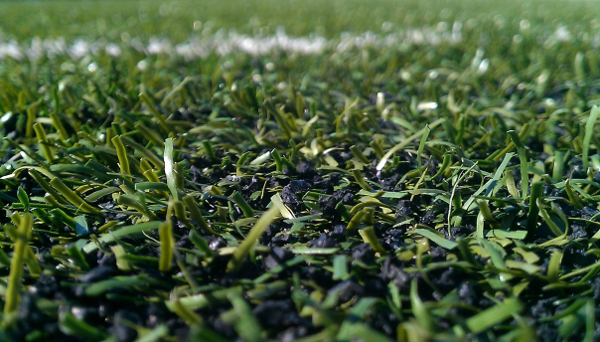
In addition to PFAS, another major concern is the use of microplastic infill, specifically, rubber crumb made from recycled tires. These black rubber particles, added to improve traction and shock absorption, has been identified as the largest source of intentionally added microplastic pollution in the European Union.
In response, several countries are taking action. The European Commission, in August 2022, released a draft proposal to ban microplastic infill used in artificial turf, with a six-year transition period before the full restrictions take effect. The move is part of a broader EU effort to restrict PFAS due to their long-term environmental and health risks.
Ghana, on the other hand, appears to be doubling down. Despite facing a nationwide environmental crisis, most notably from illegal mining (galamsey) which has contaminated major water bodies, the country continues to invest heavily in artificial turfs, further compounding its pollution challenges.
This trend also contradicts Ghana’s apparent commitment to the United Nations Sustainable Development Goals, particularly Goal 3 (good health and well-being) and Goal 6 (clean water and sanitation).
If these goals are to be more than aspirational slogans, there must be greater alignment at the local and policy levels.
Health risks extend beyond chemicals. Multiple studies have shown that athletes are more likely to suffer ACL and achilles tendon injuries on artificial turf than on natural grass, with a higher likelihood of requiring surgery. For a country investing in sports development, this should be a serious consideration.
Former Sports Minister Mustapha Ussif recently touted the construction of over 200 astro turfs as a key factor behind the Black Queens’ bronze medal finish at the 2024 WAFCON. While investment in sports infrastructure is commendable, the larger question is: at what cost?
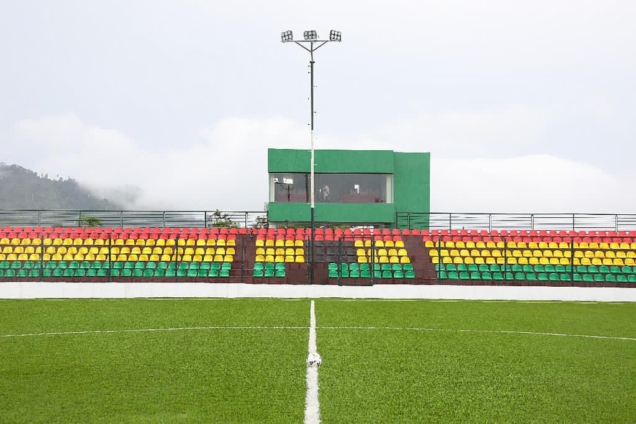
In 2025, it is deeply troubling that astro turf continues to be hailed as a symbol of progress when it may in fact represent a slow-moving public health and environmental crisis.
If Ghana is truly committed to protecting its citizens, athletes, and ecosystems, it must re-evaluate its artificial turf strategy. The country should seriously consider investing in natural grass pitches - a more sustainable, though maintenance-intensive, alternative that aligns with long-term public and environmental health priorities.
Latest Stories
-
Oti Police intercept truck with 5,164 suspected narcotic parcels
9 minutes -
We don’t have the capacity to effectively monitor our ports – Oliver Vormawor
19 minutes -
NACOC exclusion from routine sea port checks contributing to rising cocaine trafficking – Akwatia MP
24 minutes -
3.9 metric tonnes of cocaine bust in France a national embarrassment to Ghana – Kofi Bentil
33 minutes -
Kofi Bentil questions Mahama’s meetings with security officials over cocaine shipment linked to Ghana
37 minutes -
GES orders SHS heads to stop unauthorised charges, warns of sanctions
38 minutes -
Police’s conflicting identities for ‘Ghana Jollof’ embarrassing – Lawyer for remanded nurse
1 hour -
Ghana Jollof case: Nursing officer’s lawyers challenge remand, seek High Court bail
1 hour -
Kofi Adams clarifies government’s position on funding supporters for major tournaments
1 hour -
University of Ghana athletes return from 12th FASU Games after medal success in Cairo
1 hour -
Police cannot access suspect’s phone without court order – Kofi Bentil
2 hours -
Insults are not crimes; we must distinguish them from criminal offences – Kofi Bentil
2 hours -
‘Ghana Jollof’ case: Why continue to use remand to punish people? – Vera Addo
2 hours -
Ntim Fordjour accuses gov’t of selective enforcement in ‘Ghana Jollof’ case
2 hours -
Barker-Vormawor urges courts to scrutinise rights violations in ‘Ghana Jollof’ case
2 hours