

Audio By Carbonatix
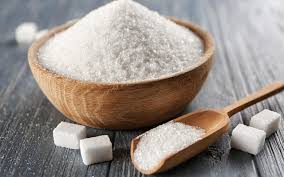
Would a chocolate bar, soda, sobolo, or scoop of ice cream truly taste unbearable if the sugar content were reduced by just 20%? The answer, borne out by science and consumer trials, is no.
Yet the potential benefits of such a modest adjustment are enormous, not only for global health but also for economic efficiency.
Food and beverage industries have for decades pushed sugar levels beyond natural taste thresholds, training palates to crave unnecessary sweetness. This excess is directly fueling a surge in non-communicable diseases such as diabetes, obesity, and cardiovascular illnesses that are costing governments trillions of dollars in healthcare spending annually. The World Obesity Federation estimates the global economic impact of overweight and obesity will reach $4 trillion a year by 2035. A large portion of this is tied to excessive sugar consumption.
Regulatory bodies must therefore reset sugar content standards across all categories: confectionery, soft drinks, baked goods, and ice creams. By mandating a 20% reduction, we can normalize healthier baselines for taste without compromising consumer enjoyment. The beauty of this policy is its invisibility. Few people will notice a 20% cut in sugar, but everyone will benefit from the outcomes.
The savings extend far beyond healthcare. Less sugar in production means less demand for raw sugar volumes, reducing costs along the supply chain including subsidies, imports, and storage. Billions of dollars could be freed annually for reinvestment in public health and nutrition education rather than sustaining preventable diseases.
One regulator that could set the pace is the Food and Drugs Authority of Ghana. Ghana already faces rising rates of diabetes and lifestyle-related illnesses, and its food environment is increasingly dominated by sugar-heavy products. A decisive move by the FDA to reset sugar benchmarks across beverages, snacks, and baked goods would not only safeguard the health of Ghanaians but also position Ghana as a global leader in public health innovation. Just as Mexico’s sugar tax and South Africa’s beverage levy reshaped global policy debates, a Ghanaian-led initiative to mandate a 20% sugar cut could inspire similar action across Africa and beyond. It would demonstrate that lower and middle-income countries need not follow the destructive consumption patterns of wealthier nations but can lead with bold, preventive regulation.
The food industry will adapt just as it did when regulators tackled trans fats and sodium levels. What is needed now is global leadership. Governments, food safety authorities, and standard-setting organizations must step forward with bold targets that reset the norm for sugar. Ghana’s FDA can light that torch.
The truth is simple: a 20% reduction in sugar will not make food inedible but failing to act will make lives unlivable for millions.
Latest Stories
-
The 7-foot giant of Ngleshie Amanfro: Seven-foot Ghanaian Ephraim Saawa dreams of joining the national basketball team
30 minutes -
Government promises support for Kumasi Central Market fire victims
37 minutes -
Vibes The Movie: Big Ghun’s Ghanaian film earns five nominations at 2026 REFFA
1 hour -
MamaCare CEO warns unresolved conflicts among health workers could undermine maternal and neonatal care
2 hours -
Health professionals urged to translate medical knowledge into practice to save mothers
2 hours -
Conflicts among care providers linked to maternal, neonatal deaths – Expert
3 hours -
GIS marks 10th TIME conference, champions improved teaching practices
3 hours -
BRICS Or Balance? What Ghana’s bid really means
4 hours -
GPRTU wants full TRAFFITECH-GH implementation to start in 2027
4 hours -
Mahama announces plans to import electric wheelchairs for PWDs
4 hours -
KGL U17 Colts 2026: Western beat Prempeh Elite Academy to set up final final with Greater Accra Region
4 hours -
Late Solanke strike salvages 10-man Spurs draw at Man United
5 hours -
Gender Ministry to monitor welfare of Nana Akua Addo’s children amid domestic violence case
5 hours -
Benedict Okyere Yeboah: Ghana’s football problem goes beyond sacking a coach
5 hours -
GPL 2026/27: Darkwah Wiafe’s winner sees All Blacks beat Kotoko
5 hours