

Audio By Carbonatix
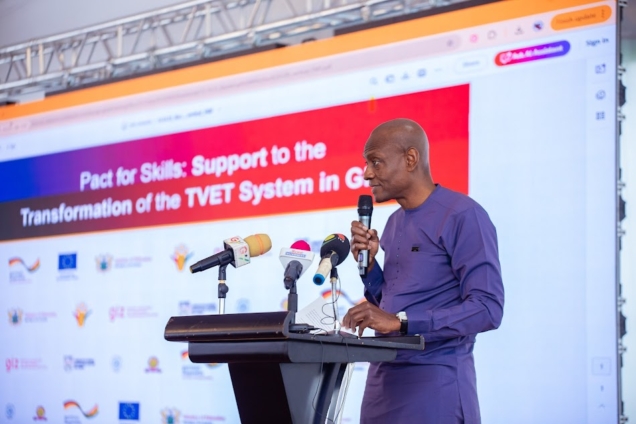
The Commission for Technical and Vocational Education and Training (CTVET), in collaboration with the Ghana TVET Service, has hosted the 2nd National Roundtable for Private Sector Engagement and Partnership in TVET at the Airport View Hotel in Accra.
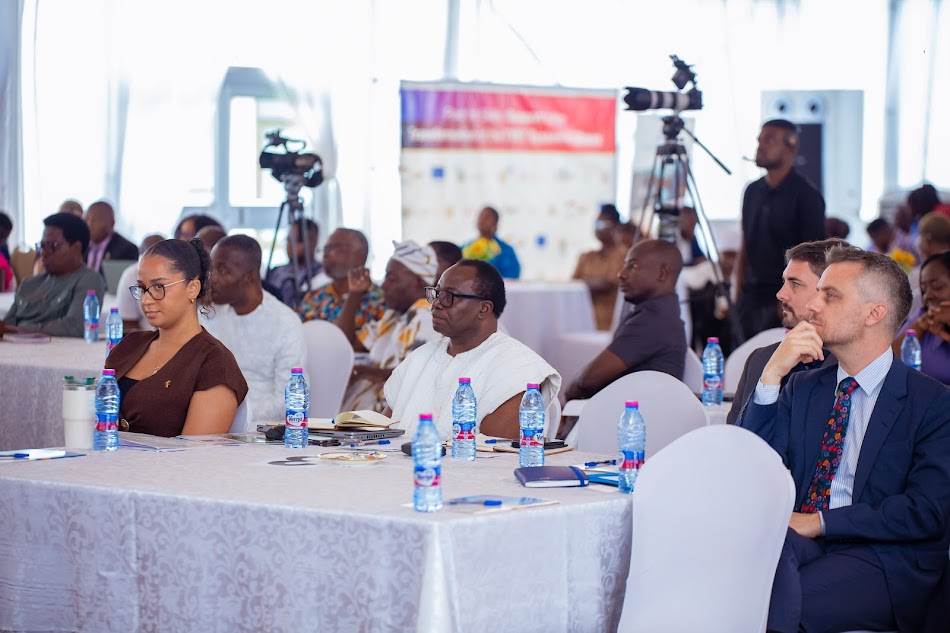
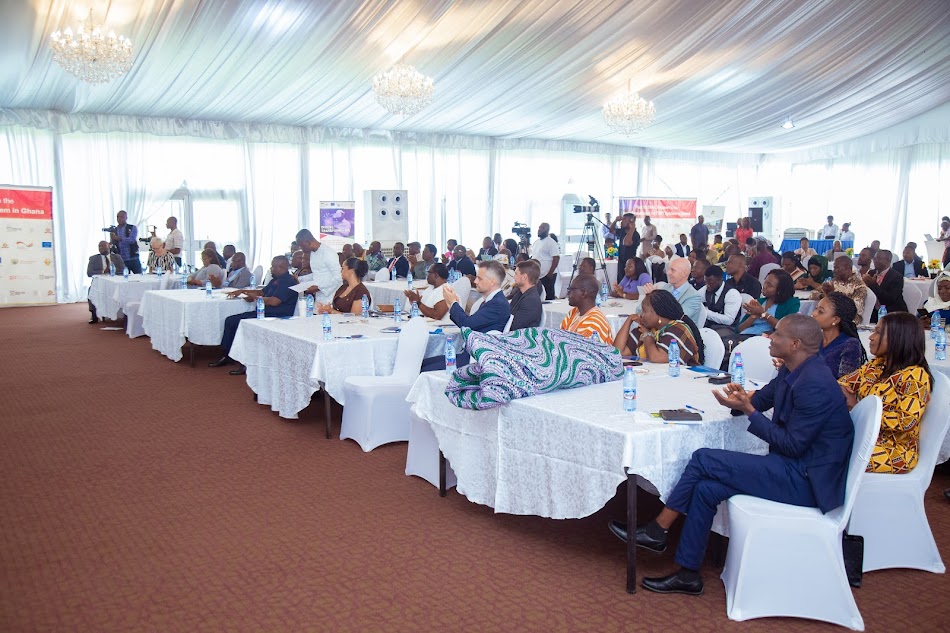
Organised under the theme “Strengthening Public-Private Collaboration for Sustainable Skills Development in Ghana,” the high-level dialogue brought together over 70 influential stakeholders from government, industry, academia, and development partners to chart pathways for stronger collaboration between the public and private sectors in building Ghana’s workforce of the future.
The roundtable was convened as part of the project Pact for Skills: Support to the Transformation of the TVET System in Ghana, jointly funded by the German Government through the Federal Ministry of Economic Cooperation and the European Union, and implemented by GIZ[FA1] .
In his welcome address, Zakaria Sulemana, Director General of CTVET, reaffirmed the government’s commitment to advancing TVET reforms that are responsive to labour market needs.
“The success of Ghana’s transition to a skills-based economy depends on the strength of our partnerships with industry. By working together with the private sector, we can ensure that TVET is not only relevant, but transformative for the future of work,” he said.
Delivering the keynote address on “The Business Case for TVET Partnerships,” Haruna Iddrisu, Minister for Education, emphasised the government’s renewed focus on aligning TVET with industrial transformation and job creation.
“Our vision is clear: TVET must serve as the anchor of Ghana’s development journey. This requires not just policy direction, but active private sector investment and participation. Together, we can create a TVET system that is demand-driven, sustainable, and globally competitive,” he stated.
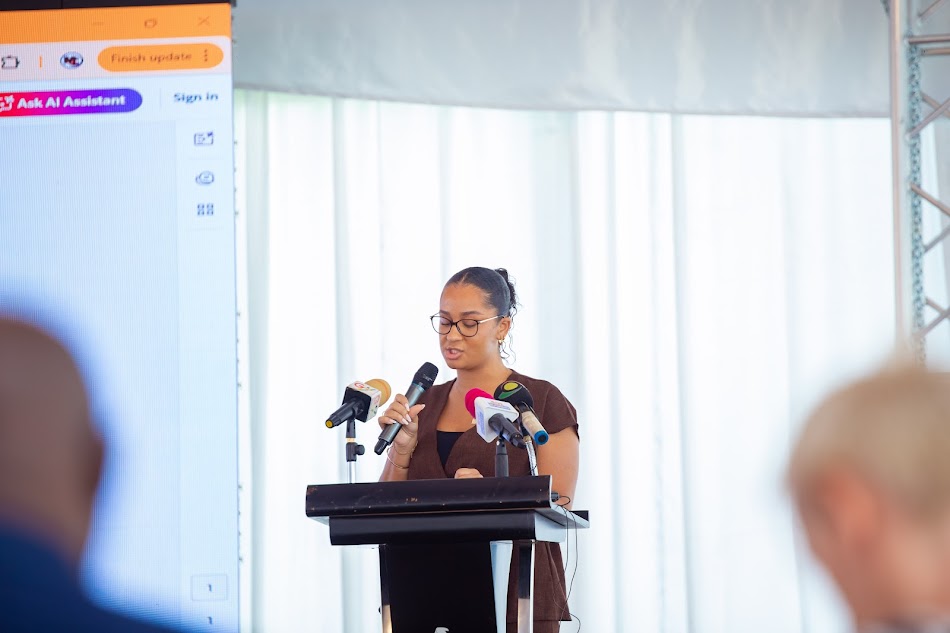
Speaking on behalf of the German Government, Chantal Kristin Lahmer, the Policy Advisor for the German Embassy, lauded the dialogue as a vital mechanism for ensuring long-term impact. Industry is where innovation meets opportunity. When businesses co-create curricula, open their doors to apprentices, and invest in training, skills development becomes a win-win for young people seeking jobs, and for companies seeking skilled talent,” she remarked.
The event highlighted several strategic imperatives:
- Identifying priority areas for collaboration and establishing actionable recommendations for national partnerships.
- Developing options for an institutionalized dialogue between the public and the private sector in TVET.
- Aligning training curricula with labour market priorities.
- Promoting workplace learning and apprenticeships to enhance youth employability.
- Strengthening the role of Sector Skills Bodies in bridging academia and industry.
Building on the success of the inaugural roundtable held in October 2024 during the Africa Skills Week, this second dialogue represents a significant step towards institutionalizing public-private collaboration in skills development. The outcomes will inform policy direction, strengthen industry participation, and lay the groundwork for a competitive workforce that can drive Ghana’s inclusive and sustainable development.
The event concluded with a networking session, where stakeholders forged new alliances and reaffirmed their collective commitment to empowering Ghanaian youth with the right skills for the future.
Pact for Skills Project
The Pact for Skills Project is a flagship initiative aimed at transforming Ghana’s TVET system by creating a structured framework for collaboration between government, industry, and training providers. Its objectives include promoting sustainable skills development, enhancing youth employability, and institutionalizing public-private dialogue.
Funded by the German Federal Ministry for Economic Cooperation and Development (BMZ) and the European Union (EU) and implemented by GIZ in collaboration with the Ministry of Education, Commission for TVET, Ghana TVET Service and the Akenten Appiah-Menka University of Skills Training and Entrepreneurial Development (AAMUSTED), the project underscores the value of international cooperation in advancing Ghana’s skills development agenda.
Latest Stories
-
Government has improved sanitation in one-and-a-half years — Salaga South MP
3 hours -
Nkwanta North Assembly to appear before Parliament over DACF sanitation spending
4 hours -
Mourinho prints out ‘red card’ incidents after Real lose derby
4 hours -
Atletico beat 10-man Real in feisty Madrid derby
4 hours -
Twelve Tribes of Israel Ghana to mark 40 years with anniversary celebration
5 hours -
GPL 2026/27: Hearts held by Bechem as Kotoko, Samartex share spoils
5 hours -
My Story (Kwaku Antwi-Boasiako)
5 hours -
We expect growth rate to re-accelerate in second-half of 2026 – IC Insights
5 hours -
The ungodliness and unrighteousness underlying the National Cathedral mess!
5 hours -
T-bills auction: Government fails to achieve target; yield on 91-day-bill remains unchanged
5 hours -
It’s Ghana’s shame to denigrate Nkrumah when the whole world honours him as African of the Century – Asiedu Nketiah
6 hours -
No other nationalist can compare to Nkrumah – Asiedu Nketiah
6 hours -
Collateral Registry: Foreign banks accounted for GH¢19.9bn of secured credit in quarter 2, 2026
6 hours -
This government should expect scrutiny – Asiedu Nketiah
6 hours -
Two-year-old girl dies in domestic fire at Cantonments
7 hours