

Audio By Carbonatix
As Ghana’s cement industry grapples with high prices, quality scandals, and aggressive regulatory crackdowns, one story seems to slip through the cracks: the quiet rise of a particular Togo-sourced cement brand. As an observer of this dynamic sector, I’m left wondering why authorities like the Ghana Standards Authority (GSA) and the Ministry of Trade and Industry remain so reserved about these imports.
With local producers facing closures and price mandates, the lack of visible oversight on these shipments, especially under the strict Export and Import (Restrictions on Importation of Portland Cement) Regulations, 2016 (L.I. 2240), which bans unauthorised finished cement imports, raises serious concerns. Are we prioritising short-term affordability over the long-term health of our economy and construction standards?
Let’s start with the economic context. Ghana’s cement sector, a cornerstone of our construction boom, employs thousands and supports projects from urban high-rises to rural infrastructure. Yet, it’s under strain, with local plants operating at just 50% of their 12 million tonne capacity due to overcapacity concerns, prompting a moratorium on new factory licenses since 2020.
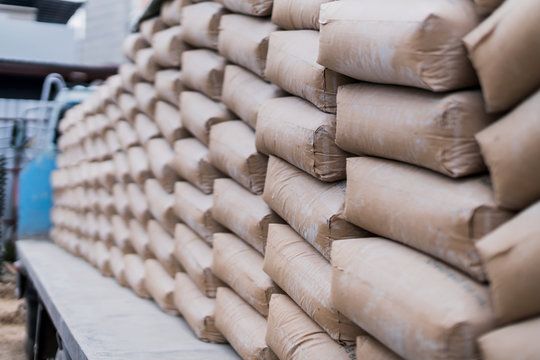
Amid this, Togo’s cement exports to Ghana, valued at US$171.2 million in 2023, including Portland cement, continue to grow. These particular imports, often arriving in 50kg bags or bulk, are handled by a Tema-based distributor that focuses on repackaging rather than producing, allowing them to offer prices that undercut local brands.
This affordability, sometimes mirroring Togo’s regulated rates like 81,000 CFA francs per tonne in June 2025, is a relief for builders hit by economic challenges, but it comes with questions about its broader impact.
The regulatory landscape adds urgency to these concerns. The GSA has been relentless in 2025, targeting substandard cement with closures and inspections. In March, Trade Minister Elizabeth Ofosu-Adjare ordered shutdowns of factories using inferior materials like quarry dust instead of limestone, which jeopardises structures. By July, 300 inspectors tested 82 samples in April alone, leading to sanctions against operations like Xin An Safe Cement, Kumasi Cement, and Unicem. Dzata Cement even warned of counterfeit rebagging, highlighting ongoing malpractices. Yet, there’s no public record of similar scrutiny for these Togo imports.
L.I. 2240 mandates licences and inspections for all commercial cement imports to protect local markets, but details on whether these shipments comply are conspicuously absent. This silence is striking when Ghana, as Africa’s largest clinker importer, is vulnerable to global supply chain disruptions and quality variances.
So, what’s behind the quiet? One possibility is that these imports meet regional standards and help fill supply gaps in a market reliant on foreign clinker. Authorities might be prioritising local overcapacity and quality issues, viewing these shipments as a buffer during economic pressures.
But this doesn’t fully explain the gap. Industry whispers point to stretched enforcement resources or hesitancy to challenge regionally-backed operations, which in Togo have navigated price controls. Past scandals, like Empire Cement’s 2022 court halt or Sol Cement’s 2023 closure over tax and quality violations, show the risks of lax oversight.
The operation itself involves a Togo-based grinding facility, operational since March 2022, with a 2.5 million tonne capacity. In Ghana, the distributor’s bagging-focused model minimises local value addition, raising questions about job creation and alignment with Ghana’s self-reliance goals under initiatives like AfCFTA.
This lack of transparency erodes trust among builders, contractors, and consumers who rely on consistent standards. If these imports are compliant, a clear statement from the GSA and Ministry would reassure all. If not, an investigation is overdue. As Ghana tackles housing deficits and economic growth, affordable cement shouldn’t come at the cost of quality or fairness. Let’s urge authorities to break their silence before this understated issue becomes a major problem.
Latest Stories
-
Bono Region faces doctor shortage as only 7 of 20 posted doctors report – Deputy Health Minister
2 minutes -
Mahama to cut sod for 160-bed referral hospitals in Oti, Savannah and Western North
3 minutes -
Dr Kwame Nkrumah’s birthday celebration: Africa must heed Nkrumah’s vision of unity – Prof. Lumumba
5 minutes -
Dr Nyaaba calls for green financing to help farmers switch to solar-powered irrigation
6 minutes -
Investor sentiment towards banking stocks to remain positive
11 minutes -
Ghana’s happiness index averages 4.70 as study flags concerns over governance, environment
11 minutes -
Parents urged to seek early treatment for childhood cancer
12 minutes -
AngloGold Ashanti Obuasi mine promotes inclusion through neurodiversity awareness programme
13 minutes -
TVET Service warns institutions against unauthorised fees during admissions
16 minutes -
Paramount settles lawsuit with US states, clearing way for $110bn merger with Warner Bros
16 minutes -
GIRSAL calls for affordable financing and technical support for Ghana’s smallholder farmers
16 minutes -
Kwame Danso 24-hour economy market project five percent complete – Minister demands improvement
17 minutes -
Ghana’s maternal mortality rate three times above SDG target – Mahama
19 minutes -
Afro Caribbean Creative Bridge forum: Stakeholders call for stronger intellectual property, copyright protection for creatives
22 minutes -
AFCON 2027Q: Antoine Semenyo withdraws from Ghana squad with ankle injury
24 minutes