

Audio By Carbonatix
Policymakers, academics, and civil society leaders have issued an urgent call for African governments to pursue deep democratic reforms to ensure economic justice and restore public trust.
They argued that while democracy remains popular across the continent, its failure to deliver tangible economic opportunities has fuelled widespread frustration, particularly among a youth population that feels marginalised and excluded from development benefits.
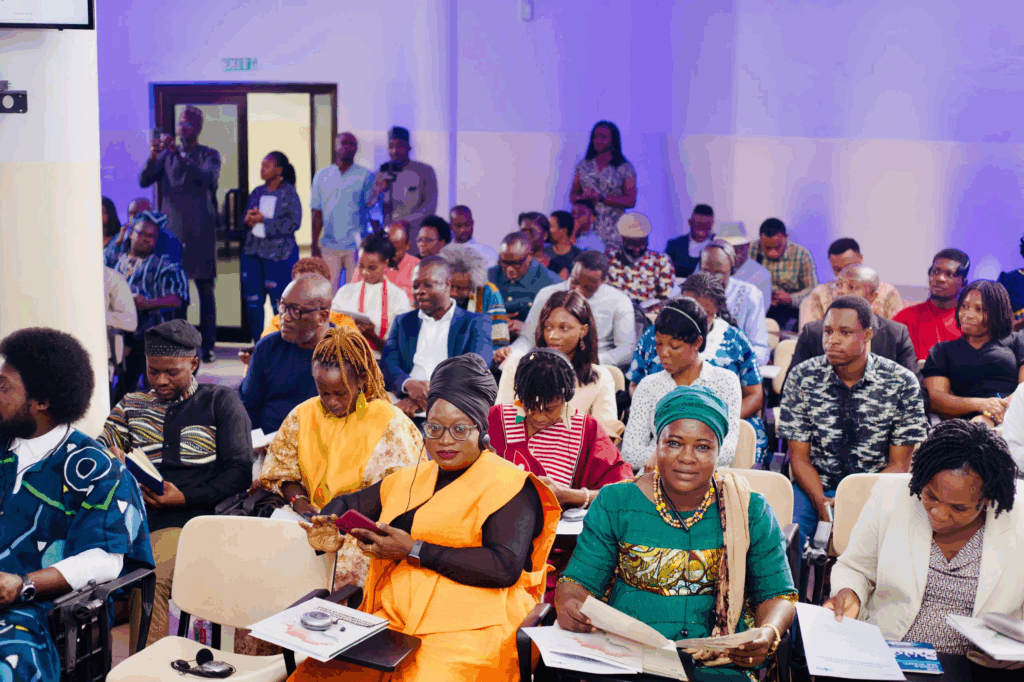
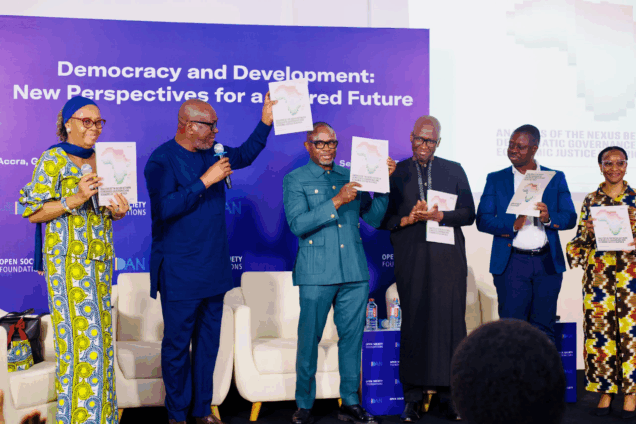
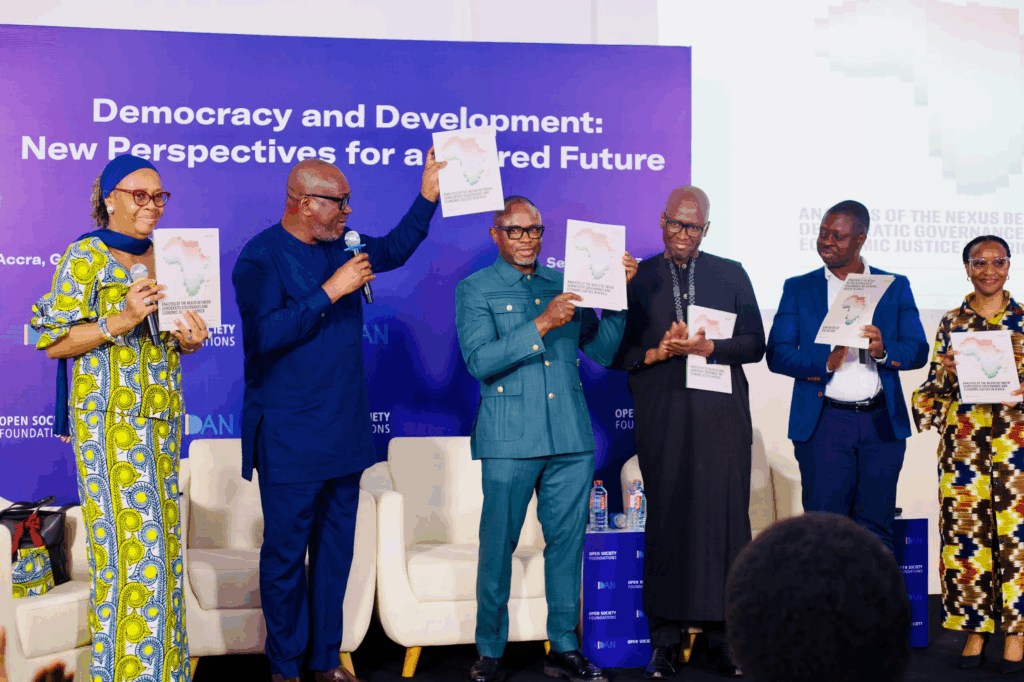
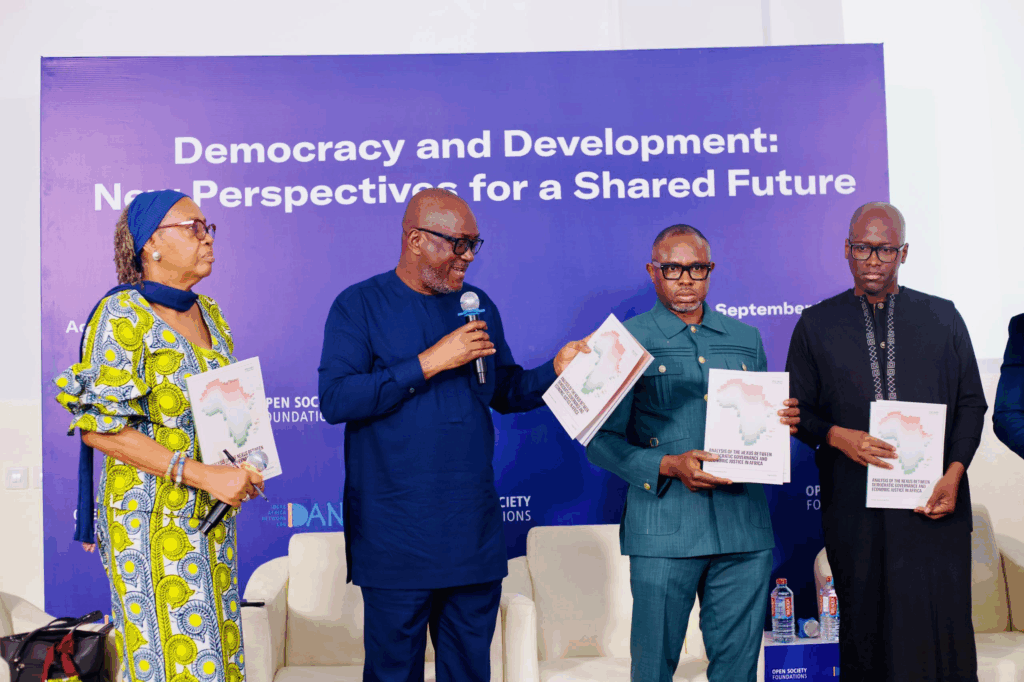
The call to action was made on Monday, September 15, 2025, at the University of Ghana, Legon, during the launch of a landmark study titled 'Analysis of the Nexus Between Democratic Governance and Economic Justice in Africa'.
The event, organised by the Open Society Foundations (OSF) in partnership with the IDEAS–Africa Network LBG (IDAN), coincided with the International Day of Democracy.
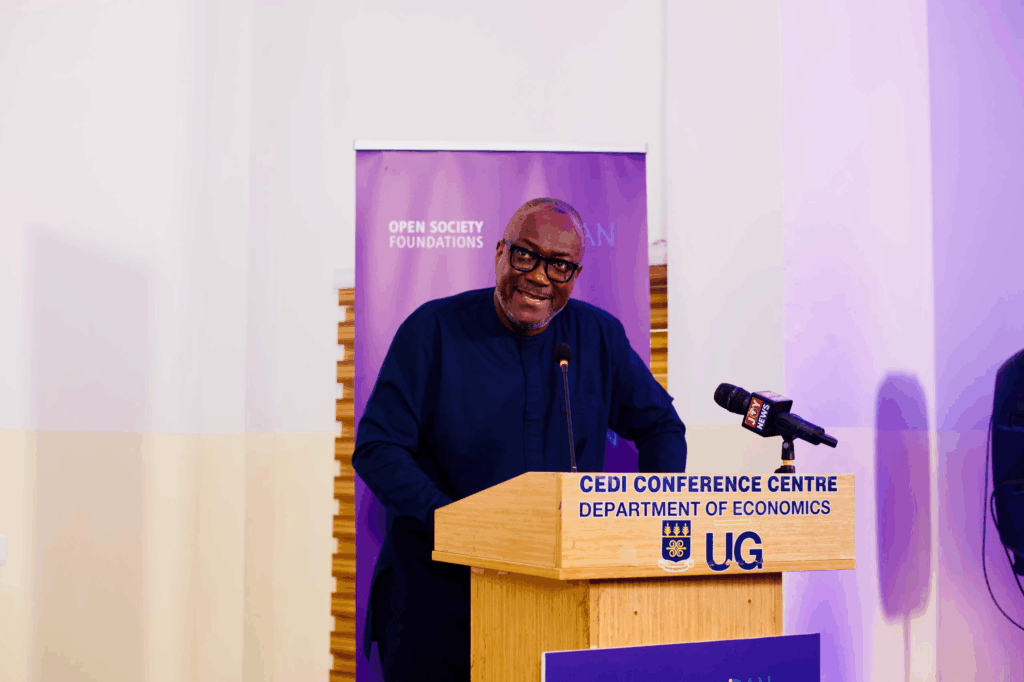
Professor Henry Kwesi Prempeh, Executive Director of the Ghana Centre for Democratic Development (CDD-Ghana) and Chair of the Ghana Constitutional Review Committee, who delivered the keynote address, stated that post-1990s reforms have focused too narrowly on elections, ignoring critical issues of power, accountability, and economic governance.
“Democracy in Africa is not failing because people reject it. Afrobarometer data shows strong support for democracy, even as dissatisfaction with its results grows.
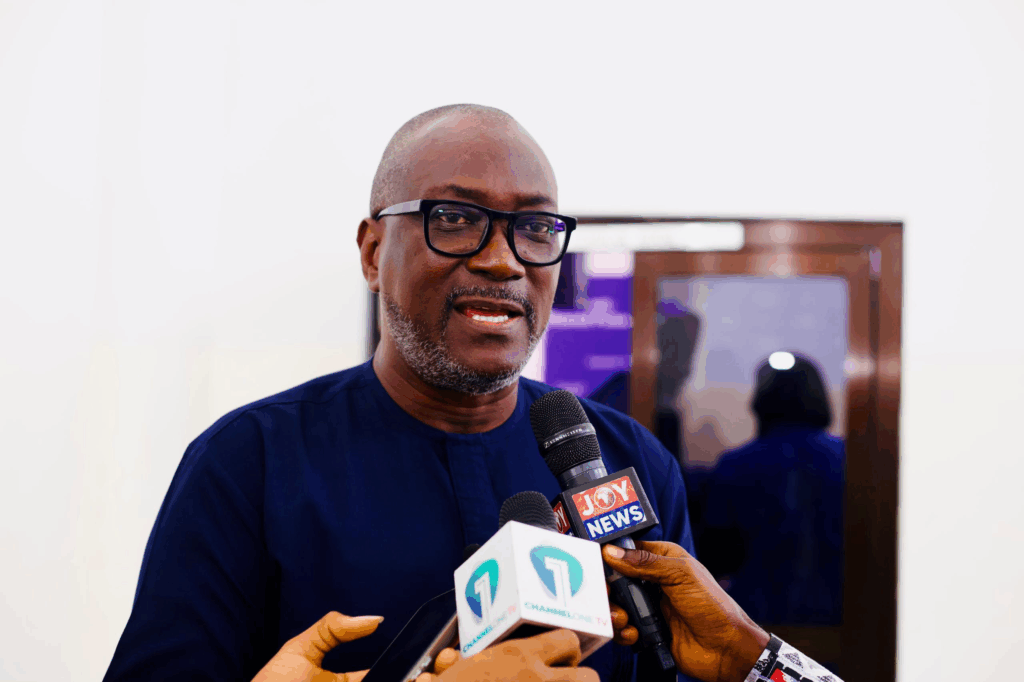
"The problem is not demand; it is supply. We have yet to build a democracy that truly meets people’s needs,” Prof. Prempeh noted.
He criticised the continent's reliance on imported democratic models from the West instead of developing homegrown systems that reflect African realities.
He identified unregulated campaign financing as a critical flaw, proposing concrete reforms like capping billboard sizes, setting clear campaign periods, and regulating rallies to slash exorbitant election costs.
“We cannot imitate countries with stronger administrative capacities. We must design democratic solutions that work for us,” he stressed.
Dr. Ndongo Samba Sylla presented the research report, describing Africa’s democracies as “choiceless,” hemmed in by neoliberal policies and a lack of economic independence that prevent governments from pursuing transformative development agendas.
This, he explained, perpetuates inequality, unemployment, and youth disillusionment.
Dr Chukwuemeka Eze of Open Society underscored the centrality of the findings of the report at a time when young people all around the world are pushing for democracy that delivers dignity to the people, noting that the Democratic Futures in Africa program of Open Society Foundations aims to establish inclusive, socially cohesive, rights-based and just African democracies rooted in Ubuntu principles— shared humanity.
Panellists, including Dr. Liliane Umubyeyi, African Futures Lab and Dr. Amzat Boukari-Yabara, Historian, detailed how neocolonial structures—like foreign control over currencies and resources—continue to undermine economic sovereignty.
They called for decentralising power, enhancing citizen participation, and dismantling exploitative economic systems that block inclusive growth.
The study’s bold recommendations include universal access to financial and identification systems, increased control over natural resources, institutionalised citizen engagement in policymaking, and guaranteed access to essential services.
Stakeholders concluded that only a democracy capable of delivering real economic opportunity and social dignity can meet the aspirations of African citizens.
Latest Stories
-
Missing records of illegal gold purchases in Ghana raise concern – Duncan-Williams
14 minutes -
Duncan-Williams warns of powerful interests targeting GoldBod
45 minutes -
We need to pray for GoldBod – Duncan-Williams
1 hour -
Strong favourites or tougher task – will Arsenal defend their title?
2 hours -
Passengers escape death as VIP travelling from Kumasi to Sunyani catches fire
2 hours -
Ariana Grande leaves problems at home as her tour hits the UK
2 hours -
Multiple suspects at large after five shot at Virginia State University, police say
2 hours -
Three killed as Russia launches fresh aerial attacks across Ukraine
2 hours -
Boxing: John Laryea disqualified in WBA Featherweight title eliminator
2 hours -
Hawaii battles strong winds and rain as Hurricane Lala threat looms
3 hours -
Twelve killed as Polish bus veers off Hungarian motorway
3 hours -
Building Ghana better: Why architects must be at the heart of national development
6 hours -
GMet warns of severe rainstorm across northern Ghana
7 hours -
Semenyo eyes bigger targets after breaking Yeboah’s Ghanaian Premier League record
7 hours -
Health Ministry reviews NDC manifesto commitments
8 hours