

Audio By Carbonatix
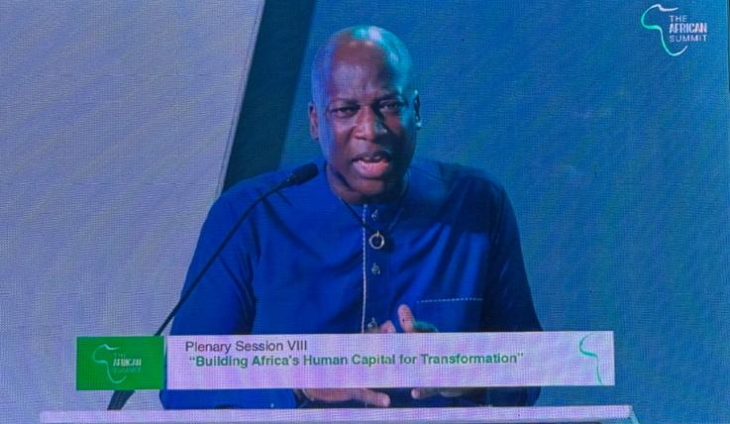
Yaw Nsarkoh has urged African governments, universities and development institutions to prioritise the cultivation of systems thinkers capable of translating ideas into tangible improvements in people’s lives, rather than producing technocrats detached from social realities.
Delivering a wide-ranging address at a continental summit in Accra on December 17, Nsarkoh argued that Africa’s transformation depends less on abstract policy frameworks and more on talent rooted in local realities, guided by science and committed to long-term societal well-being.
Quoting liberation thinker Amílcar Cabral, Nsarkoh reminded participants that ordinary Africans are not fighting for theories or ideologies, but for “material benefits, to live better and in peace, and to secure the future of their children”.
He criticised development models that prioritise marginal GDP growth while ignoring livelihoods, describing such approaches as “mismeasuring our lives”. Instead, he called for a renewed focus on agriculture, education, health, connectivity and functional local governance as the foundations of inclusive prosperity.
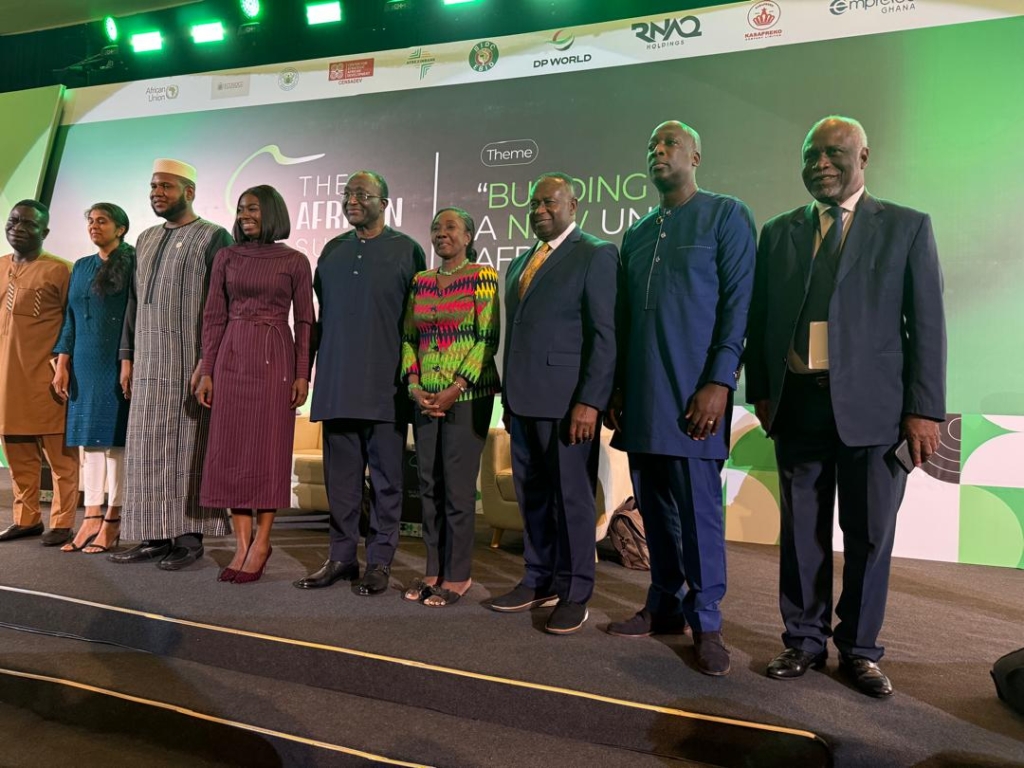
Nsarkoh stressed that agriculture must play a central role in absorbing Africa’s vast unemployed labour force, warning that without serious reforms in land tenure, value-chain optimisation and research and development, economic transformation would remain elusive.
He also challenged African intellectuals and policymakers to decolonise development thinking by embracing interdisciplinary approaches grounded in African history and social experience, rather than relying on imported paradigms unsuited to the continent’s stage of development.
According to Nsarkoh, AfCFTA must evolve into a people-driven movement rather than an elite project focused on corporate profits and balance sheets. He questioned whether the agreement prioritises the lives of hundreds of millions of Africans trapped in poverty, or the profit-and-loss statements of a few oligarchs.
He further warned that corruption, weak institutions and declining respect for the rule of law are eroding public trust across Africa, with dangerous implications for security and social cohesion.
“A better Africa is possible, but it is not inevitable,” Nsarkoh concluded, calling for sustained political will, accountable states and talent committed to regenerative, inclusive growth. He ended his address with a rallying call borrowed from Africa’s liberation struggles: “A luta continua” – the struggle continues.
Latest Stories
-
Israel-bound flight diverted after fight between pilots
40 seconds -
EchoWave earns praise for sound quality at 10th Women in Worship
10 minutes -
Crackdown on South Africa’s unsafe streets ordered by president to keep women safe
22 minutes -
Banks are responding to improved monetary policy conditions – John Awuah
41 minutes -
Judges’ conference forces further adjournment of Salomey Baffoe case to Oct. 5
53 minutes -
GRA assures Tullow of collaboration to settle $393m tax liability without disrupting its petroleum operations
1 hour -
South Korea demands apology from Pyongyang for landmine blasts that injured three
1 hour -
Carlos Queiroz not the sort of coach Black Stars need – Nii Lante Vanderpuye
2 hours -
AFCON 2027Q: ‘Our Black Stars team is gone’ – Former Sports Minister
2 hours -
Prof. Prempeh calls for public review of draft constitutional reform bills
2 hours -
AFCON 2027Q: ‘I have never seen a poor performance from Black Stars like against Gambia’ – Nii Lante Vanderpuye
3 hours -
Bawumia backs insurance sector reforms after engagement with IBAG
3 hours -
Nigeria set to launch National Digital Address System 9 years after Ghana showed the way
3 hours -
Policy rate decision takes time to reflect in lower lending rates – BoG
3 hours -
Polytanks Ghana supports GNFS with water storage tanks
3 hours