

Audio By Carbonatix
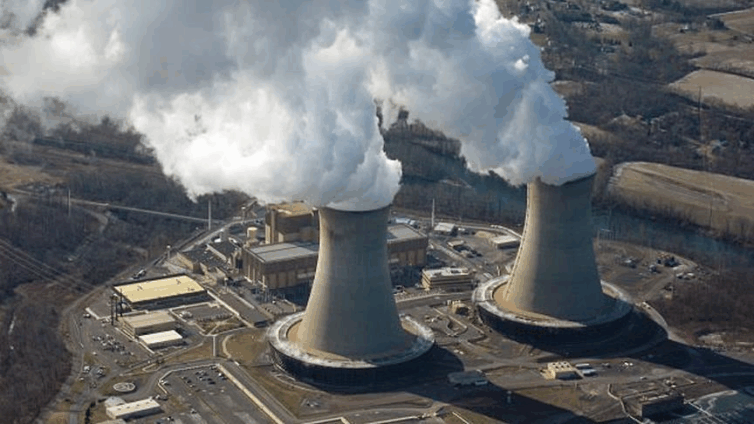
The Japanese region of Niigata is expected to endorse a decision to restart the world's largest nuclear power plant on Monday, a watershed moment in the country's pivot back to nuclear since the 2011 Fukushima disaster.
Kashiwazaki-Kariwa, located about 220 km (136 miles) northwest of Tokyo, was among 54 reactors shut after a massive earthquake and tsunami crippled the Fukushima Daiichi plant in the worst nuclear disaster since Chernobyl.
Since then, Japan has restarted 14 of the 33 that remain operable, as it tries to wean itself off imported fossil fuels. Kashiwazaki-Kariwa will be the first operated by Tokyo Electric Power Co (TEPCO), which ran the doomed Fukushima plant.
"We remain firmly committed to never repeating such an accident and ensuring Niigata residents never experience anything similar," said TEPCO spokesperson Masakatsu Takata.
If approved, TEPCO is considering reactivating the first of seven reactors at the plant on January 20, public broadcaster NHK reported. Takata declined to comment on timing.
RELUCTANT RESIDENTS WARY OF RESTART
TEPCO earlier this year pledged to inject 100 billion yen ($641 million) into the prefecture over the next 10 years as it sought to win the support of Niigata residents.
But many locals remain wary.
A survey published by the prefecture in October found 60% of residents did not think conditions for the restart had been met. Nearly 70% were worried about TEPCO operating the plant.
Ayako Oga, 52, settled in Niigata after fleeing the area around the Fukushima plant in 2011 with 160,000 other evacuees. Her old home was inside the 20 km irradiated exclusion zone.
The farmer and anti-nuclear activist has now joined protests against what she sees as a new threat on her doorstep.
"We know firsthand the risk of a nuclear accident and cannot dismiss it," said Oga, adding that she still struggles with post-traumatic stress-like symptoms from what happened at Fukushima.
Even Niigata Governor Hideyo Hanazumi, who backed the restart last month, hopes that Japan will eventually be able to reduce its reliance on nuclear power. "I want to see an era where we don't have to rely on energy sources that cause anxiety," he said.
STRENGTHENING ENERGY SECURITY
On Monday, the prefecture's assembly will vote on a vote of confidence in Hanazumi, a de facto ballot on his support for the restart.
The vote is seen as the final hurdle before TEPCO restarts the first reactor, which alone could boost electricity supply to the Tokyo area by 2%, Japan's trade ministry has estimated.
Prime Minister Sanae Takaichi, who took office two months ago, has backed nuclear restarts to strengthen energy security and to counter the cost of imported fossil fuels, which account for 60% to 70% of Japan's electricity generation.
Japan spent 10.7 trillion yen ($68 billion) last year on imported liquefied natural gas and coal, a tenth of its total import costs.
Despite its shrinking population, Japan expects energy demand to rise over the coming decade due to a boom in power-hungry AI data centres.
To meet those needs, and its decarbonisation commitments, it has set a target of doubling the share of nuclear power in its electricity mix to 20% by 2040.
Joshua Ngu, vice chairman for Asia Pacific at consultancy Wood Mackenzie, said public acceptance of the restart of Kashiwazaki-Kariwa, would represent "a critical milestone" towards reaching those goals.
In July, Kansai Electric Power, Japan's top nuclear power operator, said it would begin conducting surveys for a reactor in western Japan, the first new unit since the Fukushima disaster.
But for Oga, who will join protests outside the Niigata assembly as lawmakers cast their vote on Monday, the nuclear revival is a terrifying reminder of the potential risks.
"Every news update about the restart — it's like reliving the fear," she said.
Latest Stories
-
The source of cedi appreciation matters more than the appreciation itself
2 minutes -
Ashanti cocoa farmers welcome new COCOBOD Bill, back key reforms
5 minutes -
‘GoldBod is a very big scandal awaiting us’ – Afenyo-Markin
6 minutes -
‘GoldBod is failing’ – Afenyo-Markin cites IMF report on $1.7bn losses
7 minutes -
Fire destroys ICT lab at Gushegu Midwifery Training School, threatens licensure exams
8 minutes -
Defence Ministry welcomes Kenneth Gilbert Adjei as new Defence Minister
9 minutes -
Bawumia charges NPP executives to rebuild party for 2028 victory
11 minutes -
Unite the region and deliver victory in 2028 – Dr. Bawumia to new Greater Accra NPP executives
11 minutes -
Ukrainian strikes kill six in Russia, acting governor says
12 minutes -
The goal is to win 2028 polls – Bawumia
12 minutes -
GoldBod secures 30% of large-scale gold output for Ghana’s strategic reserves
12 minutes -
FDA warns against unauthorised chemicals for ripening plantain
14 minutes -
‘If you sell gold at a loss, you’re not a good trader’ – Afenyo-Markin jabs Sammy Gyamfi
17 minutes -
Dr. Bawumia meets new Greater Accra NPP executives; charges them to bring all talents on board
20 minutes -
Before the Next Jason: When seniority becomes a weapon against young academics
33 minutes