

Audio By Carbonatix
The Africa Cup of Nations is a celebration of a great many things: people, music, cultures, languages, tastes.
That diversity is also reflected in the varied nicknames of the 24 teams at the continent's flagship football showpiece, whose latest edition kicked off on Sunday (21 December) in Morocco.
On a continent where many remain strongly connected to nature and deeply steeped in animism, it is little surprise that elements of the natural environment feature prominently in several of these nicknames.
A wild, wild show
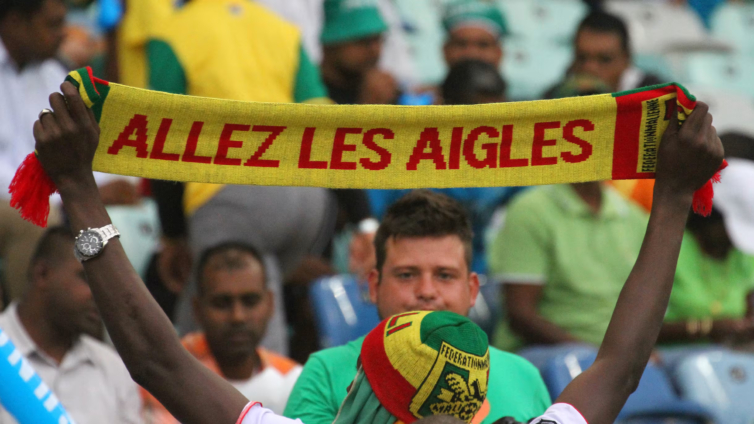
As many as 18 of the 24 teams competing in Morocco are described by the names of wild creatures that are either indigenous to their respective lands or of special significance to national identity: Lions (Morocco, Cameroon, Senegal), Fennec Foxes (Algeria), Sable Antelopes (Angola), Stallions (Burkina Faso), Leopards (DR Congo, Benin), Elephants (Ivory Coast), Panthers (Gabon), Cranes (Uganda), Eagles (Tunisia, Nigeria, Mali), Falcons (Sudan, Burkina Faso), Zebras (Botswana), Mambas (Mozambique), Crocodiles (Sudan), and the Coelecanths (Comoros).
Inanimate elements of nature feature, too.
Equatorial Guinea's team is referred to as the National Thunder, Zambia's Copper Bullets is a nod to the mineral that is abundantly mined in the southern African country, and Tanzania's Taifa Stars (‘Taifa’ translates as ‘nation’ from Swahili), are the only celestial lights on display – thanks, largely, to the conspicuous absence of Ghana's Black Stars at the tournament.
History, geography and virtue
Next, you have nicknames that are unearthed from the distant past, harking back to the era of Egyptian royalty (Pharaohs), the fighting spirit of the indigenes of what is now called Zimbabwe (Warriors), and the ancient city of Carthage in modern-day Tunisia, capital of an empire that stretched across the Mediterranean.
Geography also stands out when going over the plethora of aliases.
DR Congo, for one, have a lesser-known nickname (Warriors of the Equator) that highlights the nation's distinction as one of only 13 countries around the world — seven of them in Africa — that the most famous latitude runs through.
Sudan's Nile Crocodiles, on the other hand, pays tribute to what is regarded by some metrics as the world's longest river.
And if hosts Morocco find themselves lacking inspiration at any point, they only have to lift their eyes to the mountain range from which they derive the Atlas half of their nickname.
There is also a place for good old virtue in Senegal's Teranga (alternatively spelt ‘Teraanga’ in the Wolof language that also gave the world ‘Jollof’ and ‘Banana’), which loosely translates as ‘hospitality’ — a trait that is very much embedded in daily Senegalese life.
So, then, what's in a [nick]name?
Well, just ask the South African Football Association (SAFA), which prized the team's Bafana Bafana nickname (‘The Boys, The Boys’, when translated from South Africa's Nguni tongue) so highly that they haggled over it for years and ultimately parted with a princely sum in the early 2010s to officially secure the moniker.
Or maybe ask Nigeria, who ditched the humble Green Eagles for the soaring Super Eagles after finishing runners-up at the 1988 AFCON. Clearly, a simple colour was no longer enough to capture the swagger of this high-flying crew.
Alternately, you could send your inquiry to the front-desk of Benin's football governing body, after it finally managed to switch nicknames from the not-so-flattering Squirrels to the far more intimidating Cheetahs in 2022. Or, perhaps, you may wish to wait it out and see how much that change improves the lot of a country that has only made it past the group stage of the AFCON once in four previous attempts.
Latest Stories
-
Children among 109 dead after boat capsizes off Djibouti, UN says
56 seconds -
OmniBSIC Bank’s 11th health walk promotes fitness and business growth
10 minutes -
2026 World Maritime Day: Danish Embassy organises “The Gulf of Guinea Speaks”
32 minutes -
New Economy will tackle unemployment and restore hope – Ato Forson
38 minutes -
IMMILAC president recounts personal losses as security women lead breast cancer awareness campaign in Wa
45 minutes -
University of Ghana postpones October 12 reopening as GAUA strike persists
59 minutes -
Bahass Foundation launches vocational skills training to support mental health recovery in Wa
2 hours -
NPP orders parliamentary aspirants and their supporters to suspend campaign activities
2 hours -
Techiman unites against child marriage: Joy Impact Makers Awardee leads charge on International Day of the Girl Child
2 hours -
Ghana Psychological Association calls for greater involvement of people with lived experience in mental health care
3 hours -
Ablakwa says Ghana could evacuate more citizens from South Africa if the situation worsens
4 hours -
Violence against girls must be tackled through individual responsibility – Gender advocate
4 hours -
Ghana’s BRICS bid must be guided by national interest – International Affairs Analyst
4 hours -
Journalists look back on a decade of breast cancer reporting in Ghana
5 hours -
President Mahama ends Resetting Ghana tour of Ahafo Region
7 hours