

Audio By Carbonatix
A severe and prolonged water shortage in Accra’s Teshie-Nungua enclave has escalated into a public health emergency, with local clinics warning of spiralling infection risks and residents facing untenable living conditions.
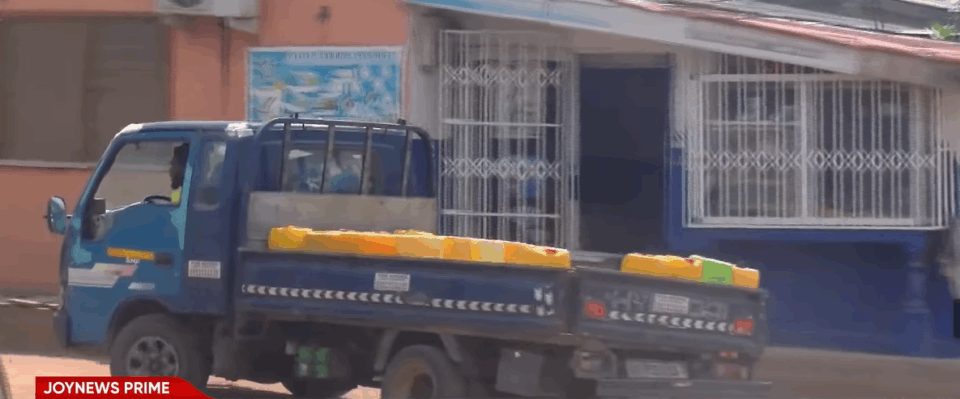
The crisis stems from the ongoing shutdown of the critical Teshie-Nungua Desalination Plant, which has left entire communities without reliable access to clean water for months.
Areas including Teshie, Nungua, Baatsona, Spintex, Sakumono, and La are hardest hit.
The plant, which converts seawater to drinking water, was shut down by the Ghana Water Company Limited (GWCL) in October 2025 over unpaid debts and unresolved contractual issues with its operators.
Despite GWCL’s assurances of a speedy resolution and temporary mitigation measures, the situation has only deteriorated.
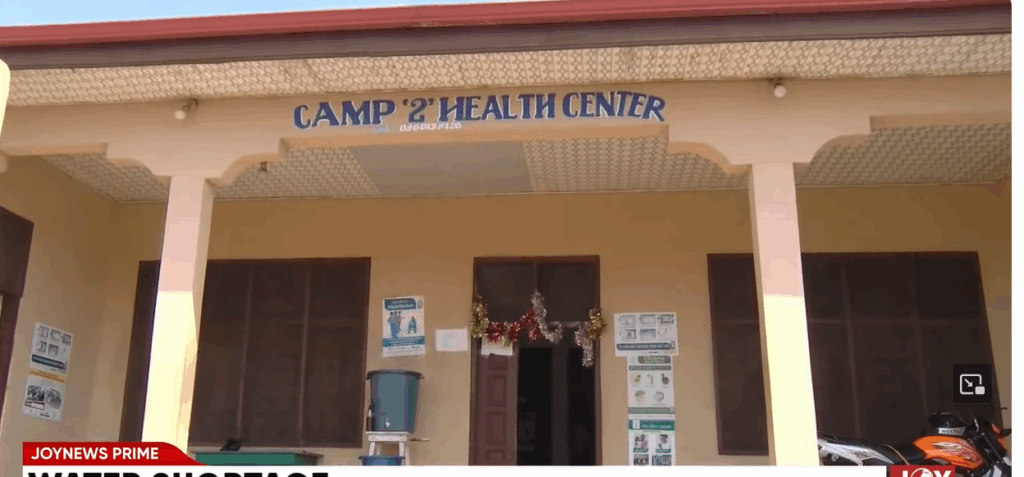
The human cost is now starkly visible at healthcare facilities like the Camp 2 Health Centre in Teshie.
Nurses describe a desperate scene where the lack of running water compromises basic sanitation, forcing staff to reuse unwashed bedsheets and leave patient washrooms unusable for hours.
“When somebody would have to use the washroom, and since there's no water to flush immediately, the next person would also have to do that. And so there's a pileup,” one nurse explained.
“So there really is going to be an infection spread.”
Healthcare workers are dipping into their own pockets to buy sachet water for patient care, a stopgap they say is unsustainable. The inability to maintain hygiene protocols is creating a dangerous environment for both patients and staff.
“We really have to show the buckets… because there is no water, sometimes you are tempted to use the sanitizer to wash your hands. And then too much of it too is not really good,” another nurse added.
Beyond the clinic walls, residents endure a daily ordeal.
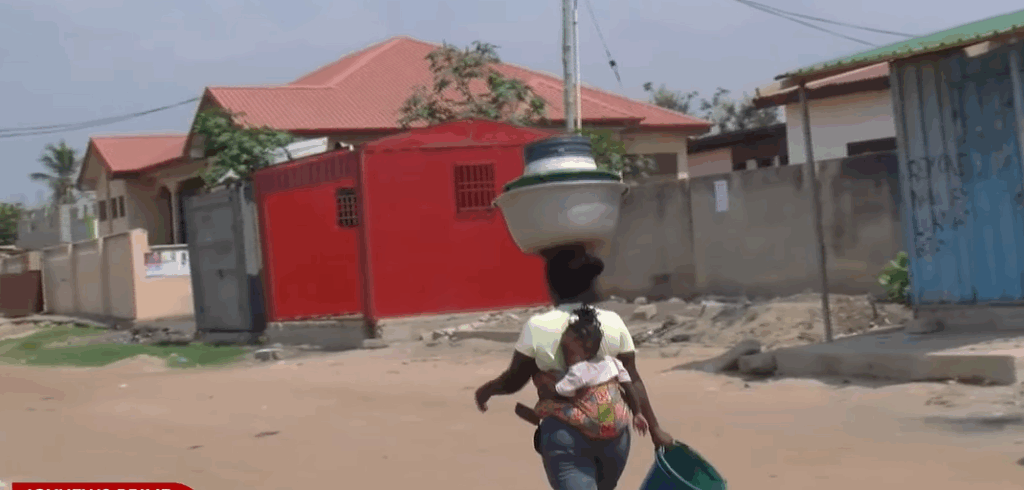
“We have to travel distances to fetch water. Sometimes 20 cities a day for the gallons of water,” a resident of Teshie Camp 2 lamented.
The scarcity has driven up the price of sachet water, placing a heavy financial burden on households and raising fears of waterborne disease outbreaks as personal hygiene becomes a luxury.
The GWCL initially stated the shutdown was to avoid further contractual difficulties and ensure facility safety, promising a quick return to operations.
However, the prolonged inaction has transformed a utility problem into a full-blown health crisis, with communities left questioning when, or if, their taps will ever flow again.
Latest Stories
-
UN approves resolution in support of map that shows Africa’s true size
53 seconds -
Spring Agro Industries urges Ghanaians to choose local rice as imports dominate market
19 minutes -
Youths in Oti push for stronger policies on SRHR and gender-based violence
20 minutes -
Rev Samuel Anthony Kofi Dunya calls for stronger action against child labour and trafficking
21 minutes -
Where the bins are missing: How poor waste management is affecting Ghanaian communities
23 minutes -
Joy FM Back-to-School Fair 2026 draws shoppers as Day One winds down
26 minutes -
AfriYAN Ghana calls for greater youth participation in local governance
27 minutes -
MTN Ghana, University of Ghana seal pact to Drive Digital Future.
31 minutes -
Give time some time
33 minutes -
Volkswagen board approves plan to cut another 50,000 jobs
39 minutes -
Police arrest mother and son over suspected drugs in Dormaa Ahenkro
43 minutes -
NSMQ 2026: Inside the profiles of this year’s three grand finalists chasing glory
43 minutes -
Black Star Experience partners L’extase Limited for new international comedy project
46 minutes -
Morgan’s Miracles pays school fees for children with special needs at House of Mercy
55 minutes -
Boy, 12, dies after car hit by train
58 minutes