

Audio By Carbonatix
As business activities commence in full force in 2026, the African Continental Free Trade Area (AfCFTA) is no longer a far-off policy dream; it is a part of everyday life for businesses in Ghana. Now, a small skincare company in Suhum can realistically look at a shelf in a high-end mall in Nairobi or a pharmacy in Cairo without the heavy burden of traditional trade barriers.
This new frontier has brought a nagging problem to the doorsteps of Small and Medium-Sized Enterprises (SMEs) in Ghana. In a market of 1.3 billion people, do you stay “resolutely Ghanaian” or “neutralise” your brand to fit in with the rest of the continent?
The Danger of Being Neutral
Many local exporters are unsure whether to “scrub” their branding by removing Kente patterns, Adinkra symbols, and Twi-inspired names in favour of a sleek, generic “Global-African” look. They fear that being “too Ghanaian” might put off customers in Lagos or Casablanca. But this is a strategic trap. In a fiercely competitive continental market, staying neutral is the quickest way to become invisible.
When you try to beat big companies by lowering prices or offering lower quality, you're fighting a losing battle. Ghanaian brands need to embrace their “Ghanaiantude” as a premium value proposition, not just a pretty decoration.
The Moat of Cultural Heritage
Take a look at how brands like Chocho Industries and the Alata Samina (Black Soap) cooperatives have done. These aren't just things you can buy; they're bottled history. “Ghanaian-made” means something special to people in Kenya or Egypt. “Made in Ghana” is increasingly associated with organic integrity, herbal mastery, and cultural authenticity, just as “Swiss-made” conveys precision and “Italian-made” conveys style.
Your ingredients can be copied by a Nigerian competitor, but your story cannot. Local small and medium-sized businesses (SMEs) can market their products as “premium heritage” goods rather than “mass-market” goods by leveraging traditional Ghanaian knowledge, such as the specific way shea butter is made in the North or the herbal knowledge of the Eastern Region.
Brand Nationalism vs. Pan-African Interest
“Rooted Pan-Africanism” is what I think will make 2026 work. It is the right mix of Brand Nationalism (pride in where you come from) and Pan-African Appeal (being open to others). Consider it from this perspective: Your product should have a “Proudly Ghanaian” soul but offer “Continental” service. This means you should keep the Twi name or the Adinkra-inspired logo, but make sure your packaging meets international standards, your QR codes work in multiple languages, and your marketing speaks to the African experience as a whole.
Key Pillars of “Ghanaiantude”
Is Your Business Prepared? Consider this checklist to make sure your brand is “export-lean” but “culture-heavy” before you send your first container to Kigali or Luanda:
- The Story of How It Started: Can you tell me in less than 30 seconds why your “Made in Ghana” label makes the product better? For example, “Our shea is hand-churned in Tamale for higher fat content.” Do your Adinkra or cultural motifs make the product feel more premium, or do they make it look cluttered? In export markets, subtlety often means higher value.
- Language Check: Does your brand name or Twi slogan mean something bad or offensive in Swahili, French, or Arabic?
- Packaging Integrity: Does your “heritage” packaging meet the AfCFTA “Rules of Origin” standards for durability and labelling?
- Digital Footprint: When someone in Cairo searches for your brand, do they find a professional website or just an inactive Instagram page?
The Way Forward
For small and medium-sized businesses in Ghana, the AfCFTA is not an opportunity to blend in with the crowd. It is a place to act. You can't outsource or automate cultural heritage. As we get deeper into this trade era, the brands that will do well are those that know that being “Ghanaian” is their greatest advantage.
In the big African market, brands that try to please everyone end up pleasing no one. But what about people who are truly and unapologetically Ghanaian? The continent will find them.
Conclusion
Ghana's small and medium-sized businesses (SMEs) should use the AfCFTA as a platform to stand out, not just fit in. True essence and heritage can't be copied or automated in a world where automation and outsourcing are the norm. In this new era of trade, the best brands won't be the ones that play it safe. Instead, they will be the ones who embrace their Ghanaian identity as their greatest strength. You can't appeal to everyone in a market of 1.3 billion people. But if you stay true to your roots, the continent will come looking for you.
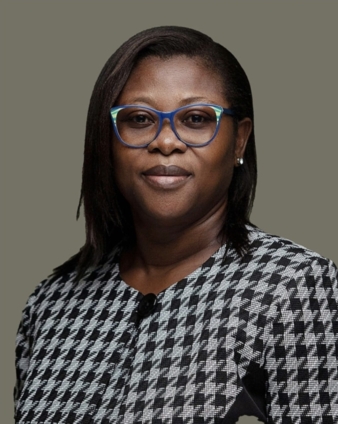
By Dr Linda Narh, Lecturer/Coordinator at UPSA.
Latest Stories
-
Special agents’ blood and urine test results stolen in FBI hack
5 minutes -
Photos: 3rd Republic Bank-JoyNews Habitat Fair Clinic at Junction Mall, Nungua
14 minutes -
GCIF cautions public as criminals deploy AI in phishing attacks
16 minutes -
Mortuaries and Funeral Facilities Agency gives unlicensed mortuaries 10 days to regularise operations
29 minutes -
Five ‘last mile’ communities in the Upper West Region receive five ambulances after years of struggling to access healthcare
34 minutes -
Stephen Kojo Adjei
41 minutes -
Gov’t building pathways for Ghanaian youth to compete across African markets – Opare Addo
50 minutes -
DCOP Rtr Kwaku Ayesu Opare-Addo
51 minutes -
Epiroc urges businesses to deepen support for education in mining communities
55 minutes -
Jay-Z rape accuser says her allegation was false
56 minutes -
KNUST SHS, OWASS, YAGSS progress to national stage of Public Speaking Competition
59 minutes -
10 rooms destroyed in Bebianiha house fire
1 hour -
Government repatriates 180 Ghanaians from Libya
1 hour -
GNAT demands independent probe into death of teacher at Gindabour
1 hour -
Mark Carney says he has considered possibility of US military action against Canada
1 hour