

Audio By Carbonatix
Everyone wants to travel to Canada or the United States of America.
Everyone believes life there is easy. But what if I told you that for thousands of Ghanaians abroad, survival, not success, is the daily struggle? There is a side of migration nobody posts on social media. No filters. No airport photos. No smiling selfies in winter jackets. Just hard truths.
Before you pack your bags and say goodbye to Ghana, here is what you need to know.
The Other Side of the Dream
For many young Ghanaians, Canada represents opportunity, stability, and prosperity. It is seen as a land where hard work automatically produces success. Families gather at airports with tears of joy, believing their relative is stepping into an instant transformation. But migration is not magic. It is a transition, often a difficult one.
The Weather Shock
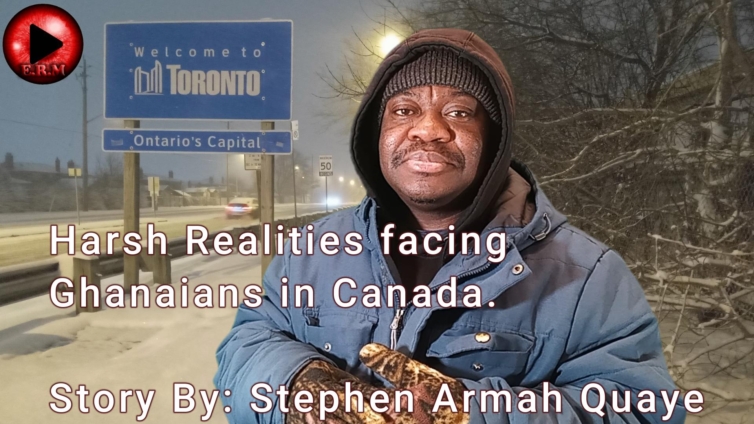
One of the first harsh realities facing Ghanaians in Canada is the weather.
Coming from a tropical country where sunshine dominates most of the year, winter in Canada can be physically and emotionally overwhelming. Temperatures drop far below zero. Snow blankets roads and sidewalks. The wind can pierce through layers of clothing. Winter is not just cold; it is exhausting.
Many immigrants wake up as early as 4:00 a.m., stepping into darkness and freezing temperatures to catch buses to work. Public transport delays during snowstorms are common. Walking even short distances becomes physically demanding.
Seasonal depression is real. Long months without adequate sunlight affect mood, energy, and mental health. For someone unprepared, winter alone can become a serious emotional test.
Employment and Credential Barriers
Another harsh reality is employment, specifically underemployment.
Many Ghanaians arrive with degrees and professional experience. Engineers, teachers, accountants, nurses, and other skilled workers often discover that their credentials are not immediately recognised in Canada. Licensing requirements, additional certifications, and “Canadian experience” become barriers.
As a result, many find themselves taking survival jobs such as factory work, warehouse labour, cleaning services, security shifts, or restaurant jobs. There is dignity in all honest work, but it can be emotionally draining when years of education do not translate into professional recognition. Some immigrants send money home and project success, but internally they struggle with frustration and identity loss. The reality is simple: being educated does not guarantee immediate success in Canada.
The Housing Crisis
Housing is another significant challenge. Rent in major Canadian cities is extremely expensive. In some cases, a single room can consume more than half of a person’s monthly income. Apartments require credit checks, proof of employment, and deposits. As a result, many newcomers share accommodation. Two or three people may occupy one bedroom. Some live-in basements with limited ventilation. Others <iframe width="1015" height="571" src="https://www.youtube.com/embed/08jH2oYO8SY" title="Harsh Realities Facing Ghanaians in Canada" frameborder="0" allow="accelerometer; autoplay; clipboard-write; encrypted-media; gyroscope; picture-in-picture; web-share" referrerpolicy="strict-origin-when-cross-origin" allowfullscreen></iframe>rely on temporary stays with friends until they stabilise financially.
Meanwhile, families back home may assume their relative abroad owns a spacious apartment or house. The truth is different. Many immigrants are simply trying to secure safe and affordable shelter.
High Cost of Living
The cost of living in Canada is significantly higher than many expect.
Groceries are expensive. Transportation costs add up quickly. Winter clothing is costly but necessary. Phone bills, internet services, and insurance payments are ongoing financial commitments.
Healthcare in Canada is publicly funded, but not everything is covered. Dental care, prescription medication, and some specialist services often require private insurance or out-of-pocket payment.
For many immigrants, income disappears quickly once bills are paid. Savings take time. Financial stability does not happen overnight. This financial pressure pushes some individuals to work two or even three jobs, often with little rest. The goal is not luxury. The goal is survival.
Utility Bills and Winter Expenses
Winter brings additional financial strain.
Heating costs rise significantly during cold months. Electricity and gas bills can increase unexpectedly. Missing payments can lead to service disruptions and penalties.
Life can become a cycle: work, pay bills, repeat. The image of comfort and ease often portrayed abroad does not reflect this ongoing pressure.
Social Isolation and Emotional Strain
Beyond economics, there is emotional hardship. Migration separates families. Parents miss milestones in their children’s lives. Spouses endure long-distance marriages. Friendships change.
Loneliness is common, especially during the early years. Community networks help, but the adjustment period can be mentally challenging. Cultural differences, accent barriers, and subtle discrimination can also make integration difficult.
Pressure from Home
Perhaps one of the most overlooked realities is pressure from back home. Families often expect financial support. Some assume that anyone living in Canada is wealthy. When money does not flow as expected, disappointment may arise.
In some cases, funds sent home for projects such as building houses are mismanaged. This adds emotional and financial stress to an already difficult situation. Expectations can weigh heavily on immigrants who are still struggling to establish themselves.
A Call for Informed Migration
This article is not meant to discourage migration. Canada offers opportunities, safety, quality education, and structured systems. Many Ghanaians have succeeded and built fulfilling lives there.
However, success requires preparation, so if you are considering migration, research your profession and licensing requirements, save sufficient funds before travelling, prepare mentally for weather and cultural adjustment, develop adaptable skills, and build realistic expectations.
Migration is not an escape from hardship; it is often a different kind of hardship. The dream is possible, but it is earned through resilience, patience, sacrifice, and strategic planning.
Before you migrate, know the full story, not just the glamorous parts. Because sometimes, survival itself is an achievement.
Latest Stories
-
JoyNews’ Jacqueline Ansomah Yeboah selected for UK Media Excellence for Emerging Technology Fellowship
11 minutes -
Mental Health Alliance urges government to operationalise Mental Health Fund
26 minutes -
Ghana–Holy See agreement heads to Parliament after Cabinet approval
30 minutes -
Luv FM Corporate Games 2026: Kumasi Central Prisons, Amanfiman Bank win big amid fun
42 minutes -
WAFU B U17: Ghana top Group A after win over Togo
1 hour -
Ho Central Mosque reopens amid unresolved leadership dispute that led to closure
2 hours -
Minority caucus questions GH¢16.4m in Ablakwa’s SA evacuation spending, demands independent audit
3 hours -
Gender Ministry meets Nana Akua Addo’s husband over domestic violence after hospital discharge
3 hours -
UG Vice-Chancellor urges swift operationalisation of National Research Fund
4 hours -
Pope Leo to have surgery after lump found in lung
4 hours -
Joseph Cudjoe writes: Ghana must break free from the dangerous mindset that natural resources are the foundation for wealth
4 hours -
Children among 109 dead after boat capsizes off Djibouti, UN says
4 hours -
OmniBSIC Bank’s 11th health walk promotes fitness and business growth
5 hours -
2026 World Maritime Day: Danish Embassy organises “The Gulf of Guinea Speaks”
5 hours -
New Economy will tackle unemployment and restore hope – Ato Forson
5 hours