

Audio By Carbonatix
The Vision for Accelerated Sustainable Development Ghana (VAST-Ghana) has hailed the Food and Drugs Authority (FDA) for its landmark decision to ban the sale of mixed alcoholic energy drinks across the country.
However, the civil society group is insisting that the regulator must publish a comprehensive list of the affected brands to ensure the public is not left in the dark.
The FDA's directive, issued on 25 February 2026, follows a safety review under the Public Health Act, 2012 (Act 851). It targets products that combine alcohol with potent stimulants such as caffeine, taurine, ginseng, and guarana—a mixture experts warn is a deadly cocktail for the youth.
The ban is rooted in scientific evidence from the Centers for Disease Control and Prevention (CDC), which warns that stimulants mask the depressant effects of alcohol. This masking leads consumers to feel less intoxicated than they actually are, resulting in dangerous overconsumption and risky behaviours.
A study cited by VAST-Ghana from Palo Alto University found that consumers of these mixed beverages are six times more likely to engage in physical altercations, including brawls and sexual violence, compared to those who consume alcohol alone.
Demand for transparency
While the FDA has defined the prohibited category by its ingredients, VAST-Ghana argues that a lack of specific brand names could hinder enforcement and consumer safety.
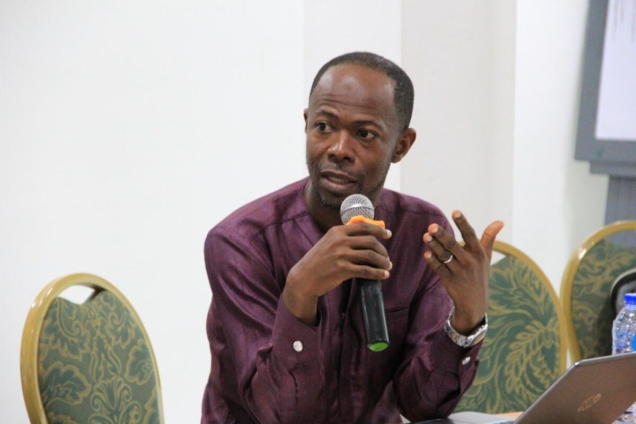
“The FDA should not have approved a product with such a dangerous combination. However, this directive is a significant win for community safety and well-being. To enhance the ban’s effectiveness, we urge the FDA to provide names of all affected products,” stated Labram Musah, Executive Director of VAST-Ghana and National Coordinator of the NCD Alliance, Ghana, in a statement on March 2.
The group believes a reference list is essential for retailers and stakeholders to comply with the 31 March 2026 deadline, after which recalcitrant distributors face heavy fines and potential prosecution.
VAST-Ghana is using this regulatory momentum to renew its call for a total ban on alcohol in sachets and small PET bottles (200ml and below). These formats are blamed for making high-strength alcohol "cheap and easy" to access for children and vulnerable populations.
The Case for a Sachet Ban:
- Accessibility: Low price points facilitate addiction among the youth.
- Health Burden: Linked to liver disease, cardiovascular issues, and over 200 non-communicable diseases.
- Regional Precedent: Ghana's neighbours, including Nigeria, have already implemented similar bans on small-volume alcohol packaging with proven benefits.
VAST-Ghana maintains that the FDA already possesses the legal mandate under Act 851 to act on sachet alcohol immediately, just as it did with alcoholic energy drinks.
As the 31 March deadline approaches, the health community remains on high alert, waiting to see if the FDA will bolster its directive with the requested transparency to protect Ghanaian consumers from "daylight zombie" inducing substances.
Latest Stories
-
Big Chef Season 5: Two contestants face exit in Jollof Challenge
16 minutes -
SIGA’s ‘massive turnaround’ claim not borne out by data – Bright Simons
23 minutes -
Nhyiaeso Chief assures support to end encroachment on utility corridors in Kumasi
23 minutes -
Two lorry station masters arrested over alleged plot to kill creditor over ₵91k debt
56 minutes -
SIGA’s claim on highest audited proportion inaccurate – Bright Simons
57 minutes -
Money bouquets, spraying and dancing on cash unlawful – BoG warns
1 hour -
Sam George pushes for nationwide 4G upgrade of rural telephony sites
1 hour -
Local Government Ministry to support MMDAs to deliver gov’t agenda
2 hours -
At least five killed in Sudan’s South Kordofan in attack by rebel group
2 hours -
“Music is so stressful” – Headless YouTuber on why he won’t return
2 hours -
Cleveland police chief proud of force but being ‘let down’ by funding
2 hours -
Black Sherif drops new 6-track EP ‘Sun Sherif’
3 hours -
GTA partners Africa’s Brain Bank for Medical City groundbreaking
3 hours -
How to check 2026 WASSCE results on mobile phone
3 hours -
President Mahama is a professional comedian – DKB
3 hours