


Audio By Carbonatix
The Ghanaian cedi could face renewed pressure if the ongoing conflict in the Middle East continues to disrupt air traffic in the region.
Ghana sends more than 72% of its small-scale gold exports to Dubai, making the emirate by far the country’s most important destination for the trade.

In 2025, Ghana exported 103,804 kilograms of small-scale gold through the Ghana Gold Board. Of this total, Dubai accounted for more than 72%. India followed with roughly 25%.
Together, the two markets absorbed about 98.8% of Ghana’s small-scale gold exports during the year.
- Read also: GoldBod data shows 98.8% of Ghana’s small-scale gold exports went to Dubai and India in 2025
The conflict between Israel and Iran has led to the closure of several airspaces across the Middle East. As a result, the air transport routes used to move gold from Ghana to Dubai have been heavily disrupted.
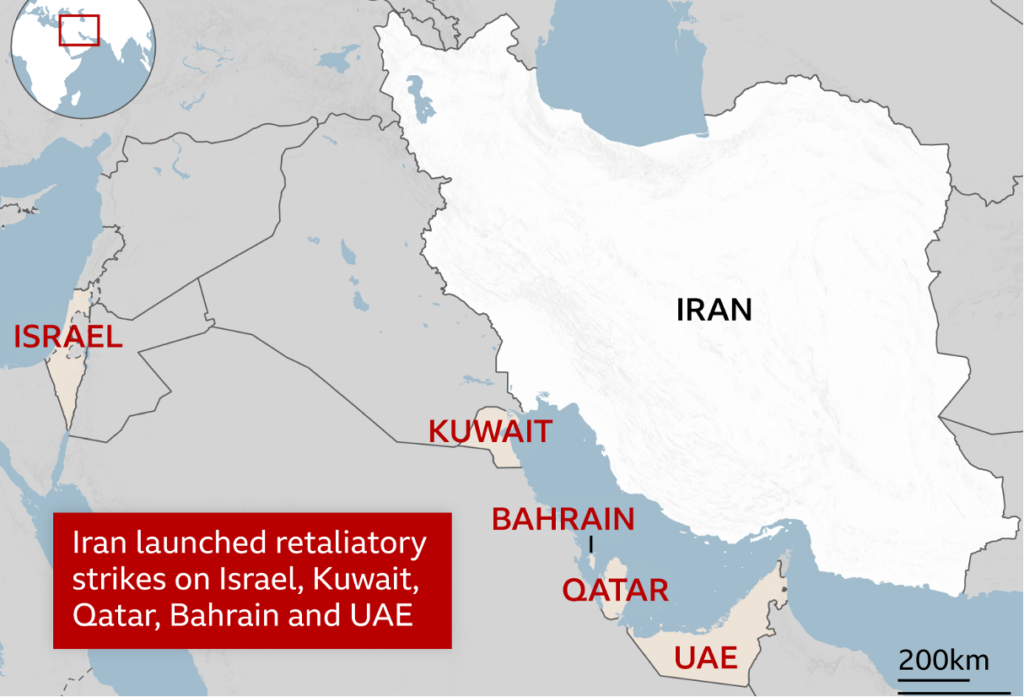
That disruption has potential currency implications.
Ghana’s small-scale gold sector still lacks a comprehensive traceability system.
Because of this, much of the gold cannot easily access stricter markets such as Switzerland or the United States, where refiners and buyers demand full supply chain verification.
Instead, Ghana sells most of its small-scale gold in markets like Dubai, where scrutiny over the source of gold is generally less stringent.
Over the past year, rising global gold prices have significantly supported the Ghanaian cedi.
Under the current structure, the Ghana Gold Board purchases gold from small-scale miners in cedis. The gold is then exported, and the foreign currency proceeds are returned to the Bank of Ghana in exchange for cedis.

The central bank subsequently supplies those dollars to the domestic foreign exchange market.
This steady recycling of gold export dollars into the local market has become one of the most important sources of foreign currency supply supporting the cedi.
GoldBod operates a relatively fast procurement and export system. Gold purchased from miners can typically be exported within one to two weeks. The steady inflow of dollars from these shipments has helped stabilise the cedi over the past year.
However, the ongoing conflict in the Middle East has disrupted that flow.
With flights restricted across parts of the region, shipments to Dubai have slowed significantly, limiting the inflow of export proceeds.

In some cases, gold destined for India also passes through Dubai. This means disruptions in the emirate could affect most of Ghana’s small-scale gold exports.
GoldBod is now reportedly exploring alternative markets to reduce Ghana’s reliance on the Middle East.
India, the second-largest destination for Ghana’s gold, is being considered an immediate option.
However, selling into new markets could raise logistical costs and may require Ghana to offer buyers steeper discounts. It may also prove difficult to find buyers willing to accept gold without full traceability.
This comes on the back of the more than $214 million loss Ghana incurred on gold sales in 2025.
Ghana’s reduced ability to sell gold to Dubai due to airspace closures means the economy is currently generating fewer dollars than it typically relies on to sustain the mechanism that has supported the cedi.
The Bank of Ghana holds more than $13 billion in foreign exchange reserves. Yet those reserves are primarily intended as a buffer against severe external shocks. The central bank is therefore unlikely to begin selling large amounts of dollars from its reserves solely to stabilise the currency.

For now, the cedi remains relatively stable.
The currency is currently trading at around 10.79 cedis to the dollar despite more than a week of conflict in the Middle East. But if the disruption to gold exports persists, pressure on the currency could intensify.
Another complication is emerging in Dubai’s gold market.
According to reports cited by Bloomberg, some gold traders in Dubai are already selling gold at steep discounts because storage facilities are filling up and it has become more difficult to move refined gold to final buyers.
If the situation persists, traders and refiners may demand larger discounts from suppliers such as Ghana in future transactions to offset their losses.
The episode highlights a broader structural risk for Ghana.
With nearly all small-scale gold exports concentrated in just two markets, any geopolitical disruption affecting those countries can quickly ripple through Ghana’s economy.
The government has indicated that GoldBod is working on a traceability system that could allow Ghanaian gold to access more premium markets such as Switzerland and the United States. However, few concrete updates have been provided regarding the implementation timeline.
Ghana has also begun refining more gold locally before export. But the country’s refineries are not yet certified by the London Bullion Market Association.
Without both traceability and LBMA certification, Ghana remains effectively locked out of the most lucrative segments of the global gold market.

Until those structural constraints are addressed, Ghana will continue to rely heavily on markets such as Dubai and India and may have little choice but to accept discounts on its gold.
Flights into and out of Dubai have resumed, but the situation in the region remains volatile as hostilities continue. The episode has nevertheless exposed the risks of Ghana relying heavily on just two markets for its small-scale gold exports.
For an economy increasingly dependent on gold export inflows to stabilise its currency, that concentration risk is significant.
In the current geopolitical climate, a single escalation in the Middle East could quickly be felt thousands of kilometres away in Ghana’s foreign exchange market.
Latest Stories
-
Internet banking transactions hit GH¢383.82bn in 2025
5 minutes -
Total value of payment transactions increased to GH¢9.45trn in 2025, but cheque transactions fall
15 minutes -
Nigeria’s economy expands by 4.4% in Q2, lifted by oil and non-oil sectors
55 minutes -
UN committee says countries must consider reparations for slave trade
1 hour -
Oil prices rise as latest fighting resurrects Middle East supply disruption risks
1 hour -
Kenya airport staff strike delays thousands of passengers
1 hour -
OSP Act lacked checks to rein in Special Prosecutor, Kpebu says
2 hours -
Public trust crisis around Special Prosecutor is fueling attacks on OSP – Kpebu
2 hours -
South African airline defends low-altitude aerial stunt over packed stadium
2 hours -
Special Prosecutor needs adult supervision – Martin Kpebu
2 hours -
Africa’s food systems must be judged by what farmers earn – AGRA
3 hours -
Raphinha & Lamine Yamal score twice as Barcelona beat Rayo Vallecano
4 hours -
Everton agree £40m fee for Monaco striker Balogun
4 hours -
Mudryk to Spurs as Chelsea’s Sanchez heads to Como
4 hours -
Saka scores agaian as Arsenal beat Aston Villa
4 hours