

Audio By Carbonatix
A medical expert has cautioned that while misuse of herbal medicines can contribute to kidney damage, they are not the leading cause of kidney disease.
Dr Prince Mawutor, a researcher at the Centre for Plant Medicine Research, told the Ghana News Agency that the leading causes of kidney disease remained high blood pressure, diabetes, exposure to toxic substances, arteriosclerosis and genetic factors.
He said both herbal and orthodox medicines could be beneficial when used appropriately but harmful when abused.
“Herbal and orthodox medicines can be beneficial when used appropriately but harmful when abused.
“Any medication can become toxic if taken in excess. Once it accumulates in the body beyond safe levels, it can damage vital organs, including the kidneys,” he stated.
Dr Mawutor cautioned that improper use of herbal medicines, particularly unregulated or unapproved ones, increased the risk of kidney damage.
He stressed the importance of purchasing only approved herbal products, noting that regulatory bodies ensured such medicines underwent safety and toxicity testing before reaching the market.
Dr Mawutor advised the public to check for proper labelling when buying herbal products, including product name, list of ingredients, usage instructions and traceable contact information.
“Consumers must avoid products with poor packaging, spelling errors, or exaggerated claims such as curing all diseases, as these are often unsafe,” he said.
Dr Mawutor urged individuals to consult qualified health professionals or certified medical herbalists before using any herbal medicine, especially when combining them with orthodox treatments.
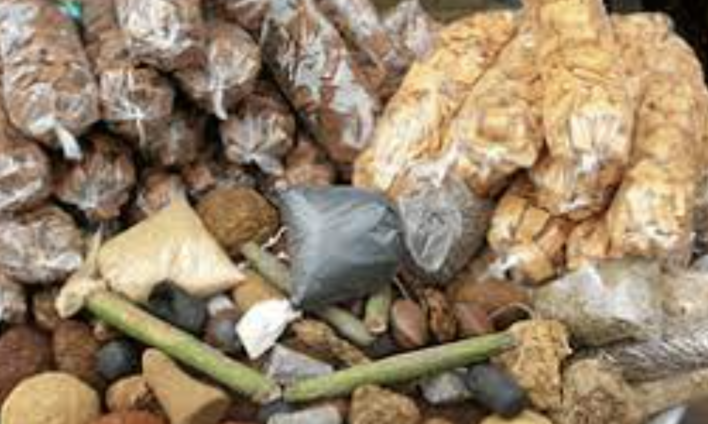
He warned that self‑medication and purchasing herbal products from roadside vendors posed serious health risks.
“If you are unwell, it is always best to visit a hospital and follow the proper medical process. A qualified medical herbalist can guide you on safe herbal options and how to integrate them with conventional treatment,” he said.
Dr Mawutor noted that the Food and Drugs Authority did not approve products sold in informal settings, such as from vehicles or on the streets, as they were unlikely to have undergone proper clinical trials.
He highlighted the role of regulatory institutions, including the Traditional Medicine Practice Council and the Ghana Association of Medical Herbalists, in ensuring safe production and use of herbal medicines.
Dr Mawutor acknowledged that although some patients with kidney complications had reported improvements after using herbal remedies, not all herbal medicines could cure every disease.
“Herbal medicines may have a wide therapeutic range due to the presence of different phytochemicals, but it is misleading to claim they can cure all illnesses,” he said.
Dr Mawutor called for intensified public education, particularly among market vendors and individuals who frequently relied on unregulated herbal products, to promote safe health practices and regular medical check‑ups.
He urged the public to take responsibility for their health by seeking proper medical advice and adhering strictly to prescribed dosages.
Latest Stories
-
Government has improved sanitation in one-and-a-half years — Salaga South MP
1 hour -
Nkwanta North Assembly to appear before Parliament over DACF sanitation spending
1 hour -
Mourinho prints out ‘red card’ incidents after Real lose derby
2 hours -
Atletico beat 10-man Real in feisty Madrid derby
2 hours -
Twelve Tribes of Israel Ghana to mark 40 years with anniversary celebration
2 hours -
GPL 2026/27: Hearts held by Bechem as Kotoko, Samartex share spoils
3 hours -
My Story (Kwaku Antwi-Boasiako)
3 hours -
We expect growth rate to re-accelerate in second-half of 2026 – IC Insights
3 hours -
The ungodliness and unrighteousness underlying the National Cathedral mess!
3 hours -
T-bills auction: Government fails to achieve target; yield on 91-day-bill remains unchanged
3 hours -
It’s Ghana’s shame to denigrate Nkrumah when the whole world honours him as African of the Century – Asiedu Nketiah
3 hours -
No other nationalist can compare to Nkrumah – Asiedu Nketiah
3 hours -
Collateral Registry: Foreign banks accounted for GH¢19.9bn of secured credit in quarter 2, 2026
3 hours -
This government should expect scrutiny – Asiedu Nketiah
4 hours -
Two-year-old girl dies in domestic fire at Cantonments
5 hours