

Audio By Carbonatix
Kidney disease is emerging as a major public health concern in Ghana, with cases rising alarmingly among both children and adults across the country.
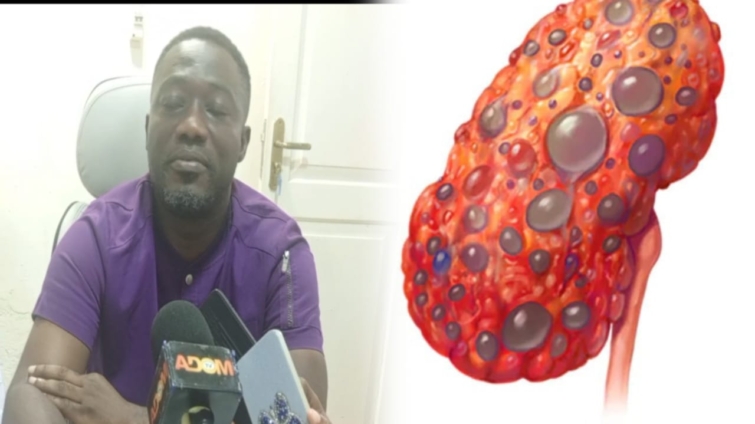
A Medical Director of Washington Specialist Hospital in Kumasi, Dr Osei Tutu, explained that the kidney plays a vital role in the human body by filtering waste products from the blood and regulating blood pressure.
According to him, kidney disease is commonly caused by conditions such as diabetes, high blood pressure, genetic factors, and self-medication.
He further identified the frequent use of unprescribed drugs as a major contributor to the condition.
Dr Osei Tutu also expressed concern about environmental factors, noting that illegal mining activities, ‘galamsey’ in some communities, have led to severe water pollution, posing an additional risk to kidney health.
He noted that their facility sees a heavy caseload, with approximately 20 patients undergoing dialysis treatment every day, highlighting the alarming rate at which kidney disease is affecting Ghanaians.
The Medical Director emphasised that kidney disease is largely preventable if detected early and treated promptly.
He urged Ghanaians to adopt healthier lifestyles by engaging in regular medical checkups, avoiding excessive painkillers, and refraining from consuming unregulated herbal medicines, which can damage the kidneys over time.
Administrator at Washington Specialist Hospital, Miss Loretta Ofori, stated that the facility has taken proactive steps to educate the public on kidney disease and other non-communicable conditions, providing preventive care through IV infusion therapy to safeguard kidney function.
However, she appealed to the government to increase dialysis sessions covered under the National Health Insurance Scheme (NHIS), as many patients cannot afford the cost.
She also called for the inclusion of kidney medications and fistula procedures under NHIS, citing high costs that discourage timely medical care.
Experts warn that the rising kidney disease requires collective efforts from individuals, healthcare providers, and the government to reduce risks, improve treatment access, and safeguard public health.
The facility is launching IV infusion therapy on February 21st, 2026, to help prevent kidney, liver, and all kinds of health-related issues, give you energy, immunity, hydrogen, antioxidants, help men to be strong in bed, help menstrual cramps, and many more, urging Ghanaians to support the effort.
Also, on the 14th of February, the entire hospital staff will do a general cleaning at Sofoline, sweep and drain gutters to prevent mosquitoes, as preventive care is part of the hospital's core values under corporate social responsibilities.
Latest Stories
-
IMMILAC president recounts personal losses as security women lead breast cancer awareness campaign in Wa
3 minutes -
University of Ghana postpones October 12 reopening as GAUA strike persists
17 minutes -
Bahass Foundation launches vocational skills training to support mental health recovery in Wa
49 minutes -
NPP orders parliamentary aspirants and their supporters to suspend campaign activities
1 hour -
Techiman unites against child marriage: Joy Impact Makers Awardee leads charge on International Day of the Girl Child
2 hours -
Ghana Psychological Association calls for greater involvement of people with lived experience in mental health care
3 hours -
Ablakwa says Ghana could evacuate more citizens from South Africa if the situation worsens
3 hours -
Violence against girls must be tackled through individual responsibility – Gender advocate
3 hours -
Ghana’s BRICS bid must be guided by national interest – International Affairs Analyst
3 hours -
Journalists look back on a decade of breast cancer reporting in Ghana
4 hours -
President Mahama ends Resetting Ghana tour of Ahafo Region
6 hours -
African negotiators seek delivery of climate commitments at COP31
6 hours -
BoG develops AI rules for financial sector
6 hours -
‘Big Push’: Government assures contractors of prompt payments
6 hours -
Court fines miner for breaking into gold buying shop
6 hours