

Audio By Carbonatix
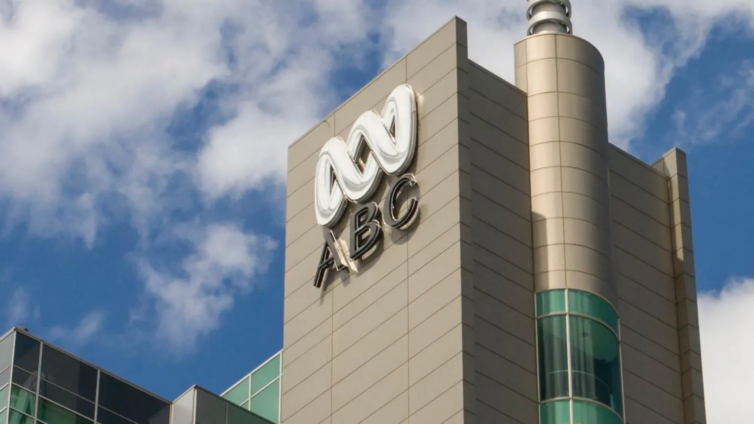
Hundreds of journalists at Australia's national broadcaster walked off the job on Wednesday over pay, conditions, and the possible use of AI to replace them.
It was the first time staff at the Australian Broadcasting Corporation (ABC) have gone on strike in 20 years after a majority of union members rejected a pay offer that was below inflation.
Flagship shows such as the 7.30 evening current affairs programme and its breakfast shows on Thursday will not go ahead, with reruns, pre-programmed shows and BBC content to plug the gap.
ABC management said the pay offer "reflects the maximum level" it can "sustainably provide" but unions want greater job security and limits on the use of AI.
Staff began striking from 11:00 local time (00:00 GMT) on Wednesday and will not return to work for 24 hours. Large gatherings were expected at the ABC's main offices in offices in Sydney and Melbourne, with participants to wear black.
Radio programmes such as Triple J and ABC Classic were expected to have limited live elements and play music only.
The ABC employs more than 4,400 people with about 2,000 staff in news, its largest division.
Staff were offered a staggered 10% pay rise over three years with a 3.5% bump in the first year, following by 3.25% in the two years after. Australia's annual inflation rate was 3.8% in January.
Staff were also offered a one-off $1,000 bonus but this would not be for casual staff.
The offer was rejected by 60% of union members who voted, with a majority agreeing to take industrial action.
Staff also want higher rates for night work, better career progression and less reliance on short-term contracts. There is also anger at the broadcaster's refusal to rule out replacing some staff with AI.
"ABC staff don't want to strike - they want to do their jobs," said Erin Madeley, chief executive from the Media, Entertainment & Arts Alliance, one of the two unions representing ABC staff.
"They want fair pay, secure work, and guardrails around the use of technologies like AI to protect editorial integrity and public trust," Madeley said.
Melissa Donnelly from the Community and Public Sector Union said ABC staff want salaries that reflected cost-of-living pressures and recognised the work of a public broadcaster.
"ABC plays such an important role in our society and in Australian storytelling and it's really important ABC management come to the table," she told Australian Associated Press.
ABC managing director Hugh Marks said the deal on the table was financially responsible and competitive for the industry.
"The pay offer reflects the maximum level the ABC can sustainably provide and is balanced when looking across all the factors that we need to consider," he said.
The ABC will take the matter to Australia's workplace tribunal, the Fair Work Commission, in a bid to resolve the dispute
Latest Stories
-
Accra-Kumasi Expressway to be operated as business to recover taxpayers’ investment – CEO
4 minutes -
UNFPA calls for presidential intervention as maternal deaths reach crisis levels
10 minutes -
Space reserved along Accra-Kumasi Expressway for railway line – Mahama
14 minutes -
Ashaiman’s deplorable roads: How long must residents wait?
18 minutes -
Elevate Africa Summit to push AfCFTA toward fully functional markets
20 minutes -
The search for clean water has failed — so can Nanton Zuo save the water source it already has?
32 minutes -
Accra-Kumasi Expressway construction expected to begin in January 2027 – CEO
38 minutes -
Parents in Ashanti make U-turn on Category C, D Schools as reporting deadline approaches
45 minutes -
September 21 declared public holiday for Founder’s Day
49 minutes -
Indonesia rescuers battle turbulent seas in search for 129 people after passenger ship capsizes
1 hour -
Iceland’s last whaling company shrugs off threat of permanent ban
1 hour -
‘Out of the abundance of the heart, the mouth speaks’ – GBA President on CJ’s SOEs comments
1 hour -
Member of UK Armed Forces dies in road traffic incident in Ukraine
1 hour -
Mahama to honour GAF Engineers Regiment with Order of the Companion of the Volta
1 hour -
Agbodza demands quality, value for money in Accra-Kumasi Expressway construction
1 hour