

Audio By Carbonatix
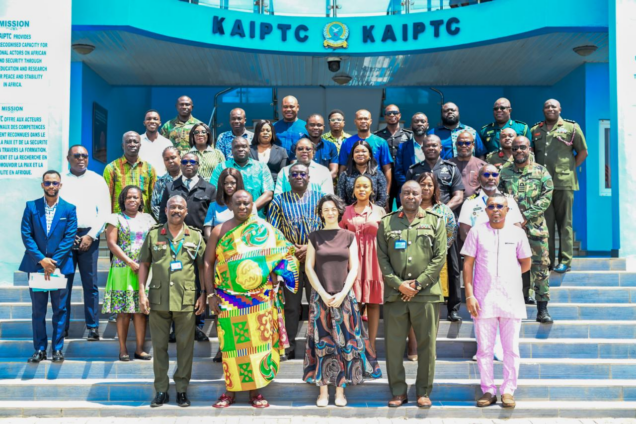
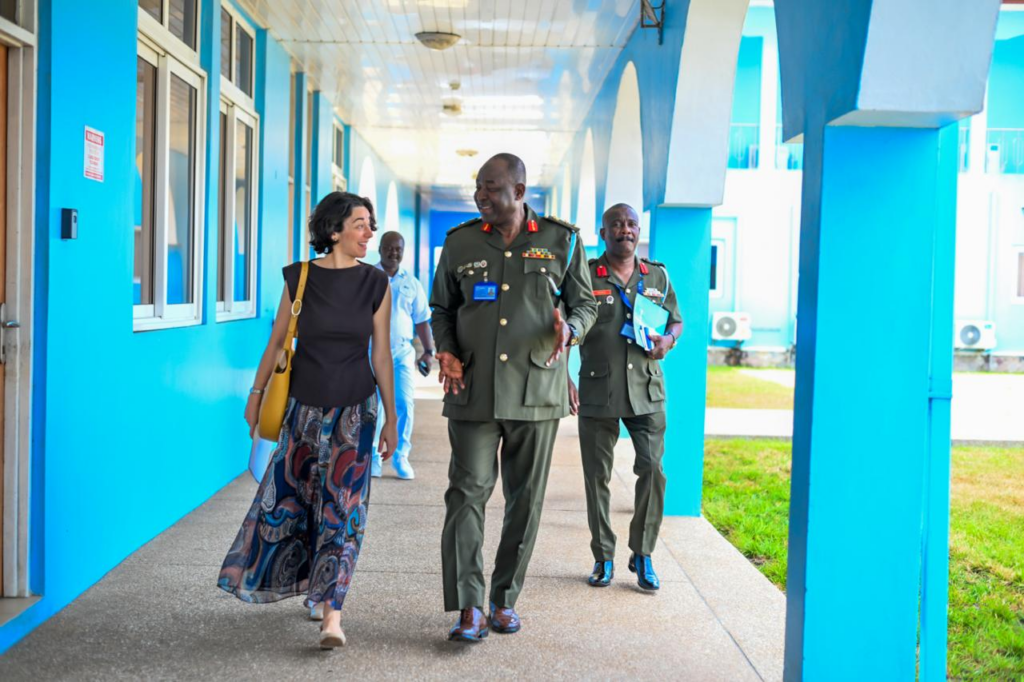
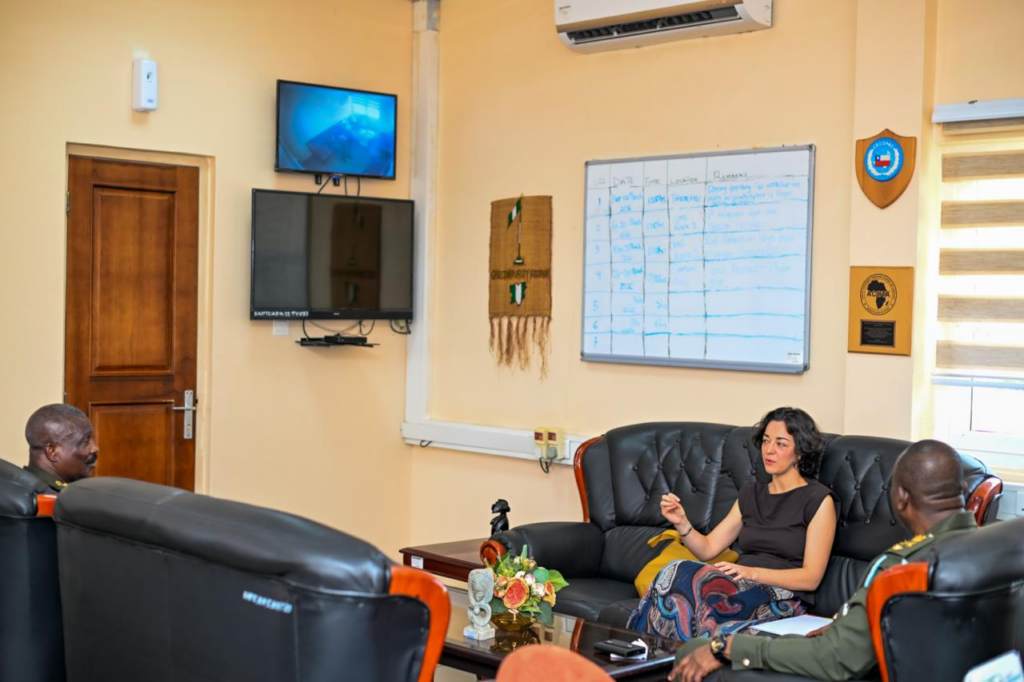
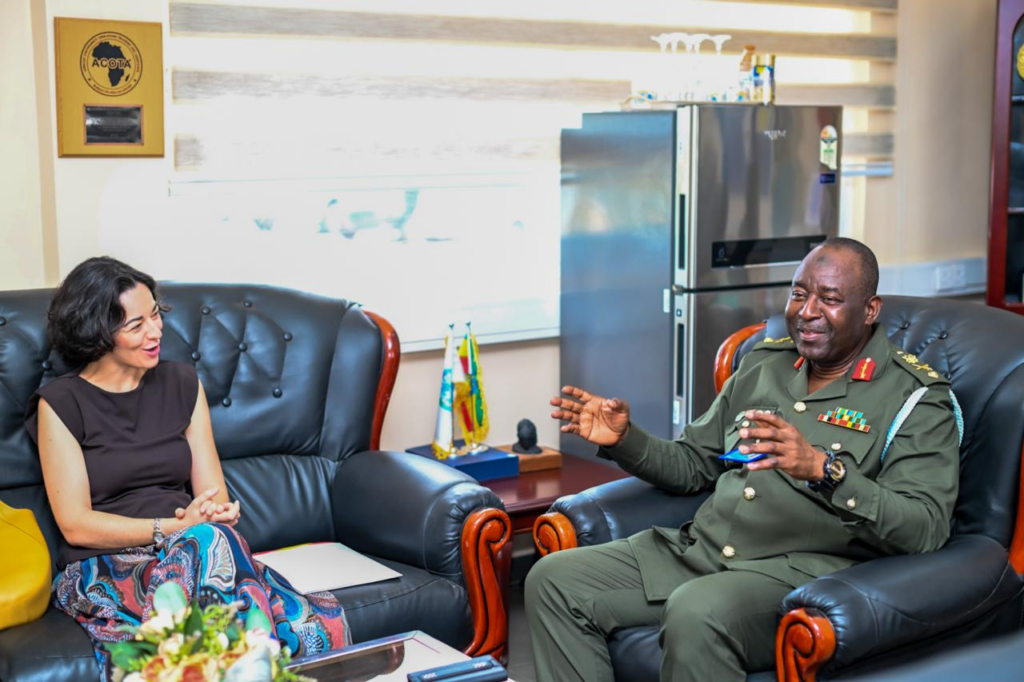
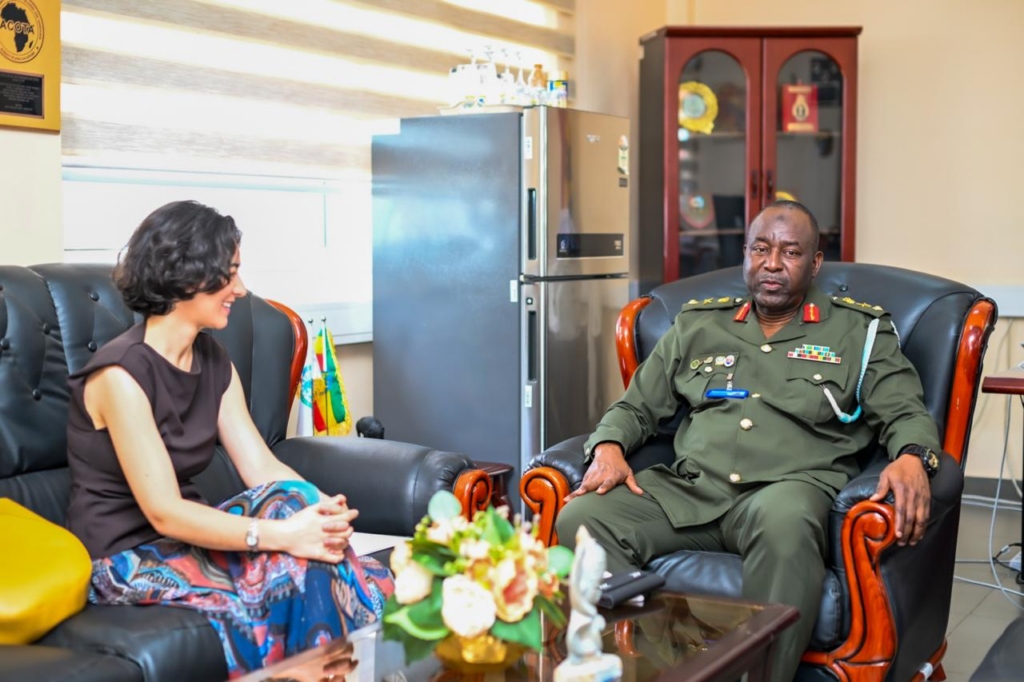
Deputy Commandant of the Kofi Annan International Peacekeeping Training Centre (KAIPTC), Brigadier General Zibrim Bawah Ayorrogo, has called for a coordinated national response to illegal mining.
He warned that the issue has evolved into a complex threat to governance and human security in Ghana.
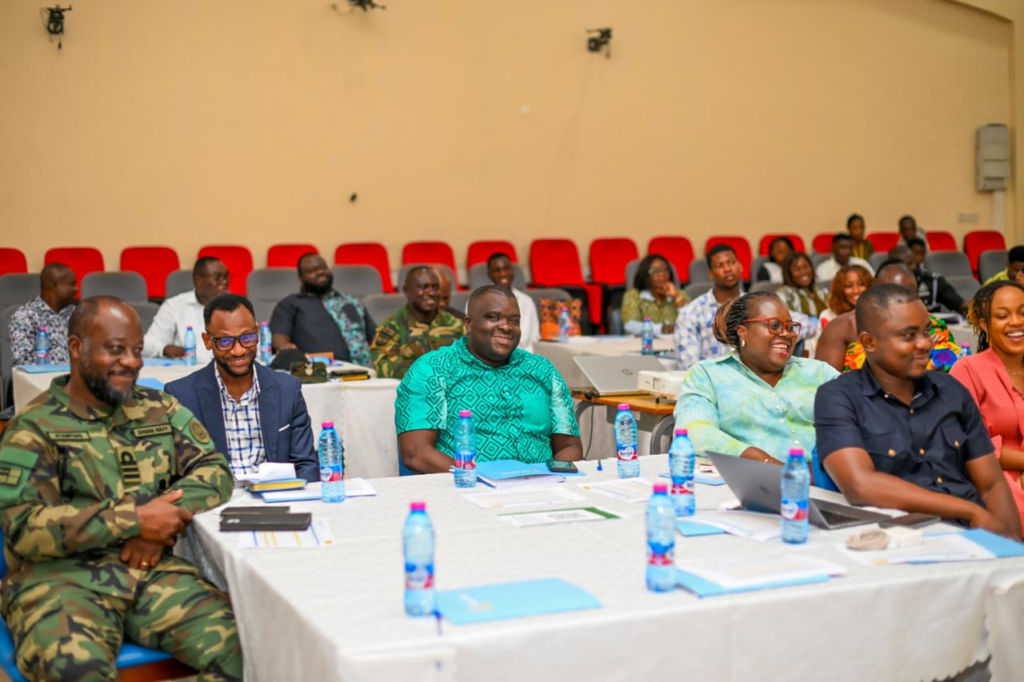
The Deputy Commandant of the Kofi Annan International Peacekeeping Training Centre (KAIPTC) made the remarks on Tuesday, March 24, while addressing participants at the National Validation and Dialogue Workshops on the Safety and Security Ecosystem of Illegal Mining in Ghana.
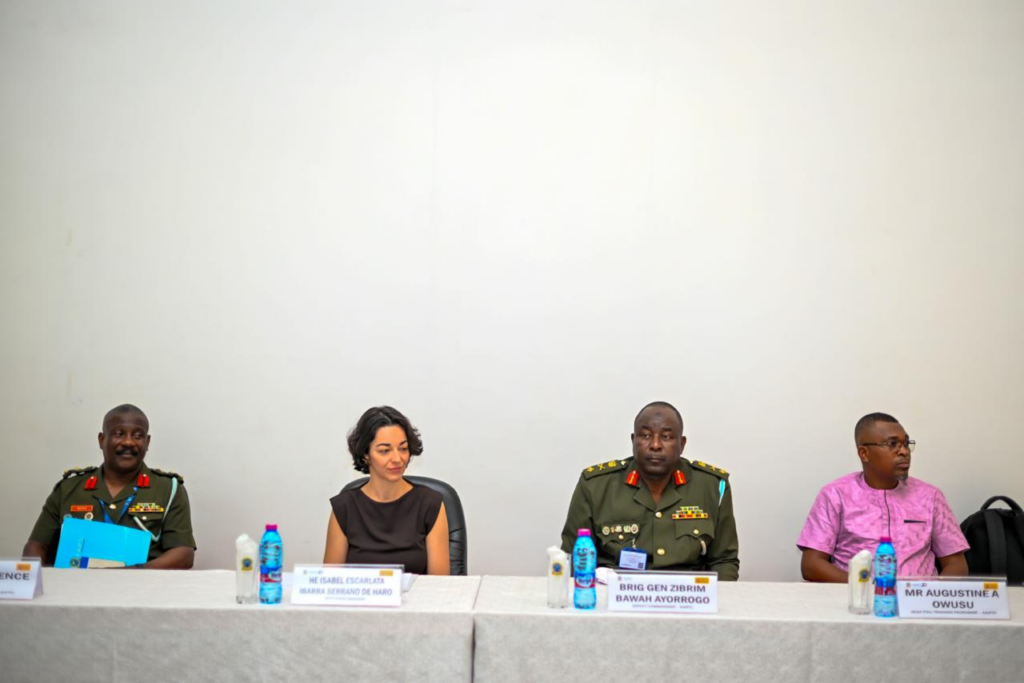
Describing the gathering as a “pivotal moment”, Brigadier General Ayorrogo explained that the forum represents the culmination of a carefully structured process aimed at elevating grassroots realities into national policy engagement.
The initiative, he noted, has moved from community-level consultations through regional reflections to a national platform for decision-making.
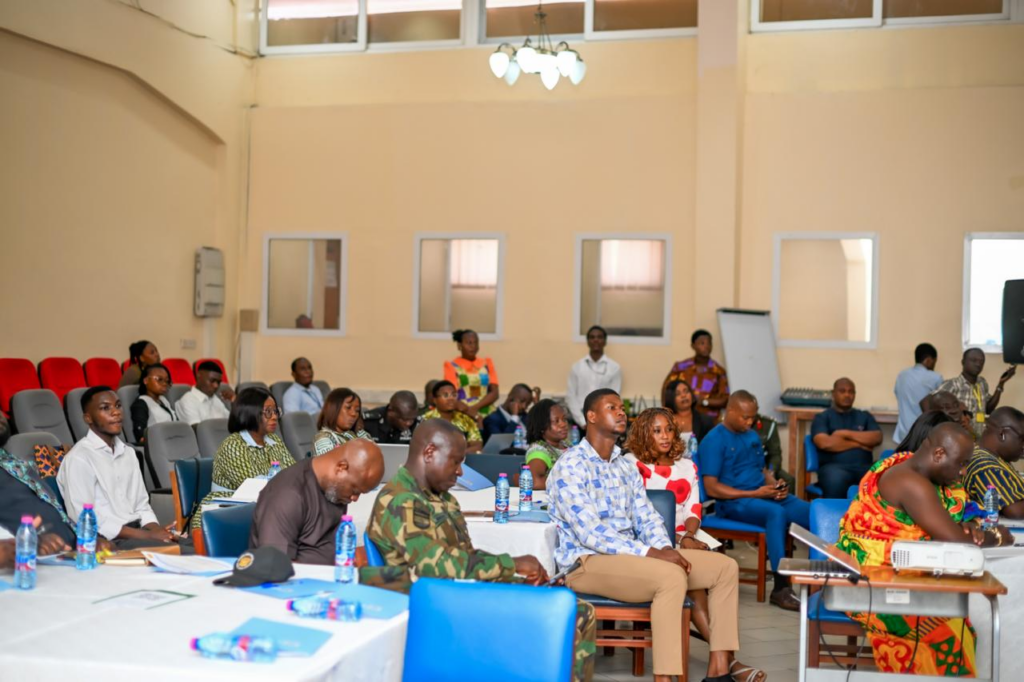
He revealed that two intensive regional validation workshops had recently been held in the Ashanti Region and Western Region, bringing together a broad cross-section of stakeholders.
These included mining communities, traditional authorities, district assemblies, youth and women’s groups, security agencies, regulators and civil society organisations.
According to him, the engagements provided valuable insight into the lived experiences of those most affected by illegal mining, while also establishing a credible foundation for national-level deliberations.
“What has emerged clearly,” he said, “is that illegal mining can no longer be addressed through isolated enforcement actions or sector-specific responses.”
Instead, he stressed, the issue has evolved into a complex national concern that intersects with environmental degradation, economic survival, youth employment, public trust in institutions and the overall coherence of state authority.
Brigadier General Ayorrogo highlighted key concerns raised during the regional consultations, particularly the fragmentation of institutional mandates and weak coordination among state agencies.
He warned that such gaps have created conditions that allow criminal and economic networks to adapt and thrive, especially in remote and high-risk mining areas.
He further noted reports of the circulation of illegal and improvised weapons in some mining corridors, describing this as a destabilising factor that links local insecurity to organised crime and broader regional vulnerabilities.
Against this backdrop, he said the national forum provides an important opportunity to assess whether Ghana’s legal frameworks, regulatory systems and security arrangements are aligned with realities on the ground.
“This is a moment for honest and constructive reflection,” he stated, “to determine where our coordination mechanisms are effective and where gaps, overlaps or ambiguities continue to undermine implementation, accountability and public confidence.”
He highlighted the importance of the National Integrated Mechanism for Addressing Illegal Mining (NIAMOS), describing it as central to driving a coherent and nationally owned response.
He called for stronger collaboration among government ministries, security services, regulatory bodies, local authorities and development partners to ensure that recommendations from the process are translated into concrete action.
Brigadier General Ayorrogo also expressed appreciation to the Embassy of Spain in Accra for its strategic and financial support, which he said had enabled the initiative to progress from field research and regional dialogue to national policy engagement.
Looking ahead, he outlined the forum’s objective of producing not only a consolidated policy brief but also a practical and realistic roadmap for implementation.
This, he explained, would include clearly defined leadership responsibilities, strengthened coordination mechanisms and timelines for action, monitoring and review.
“Our aim is to ensure that communities in mining-affected areas experience tangible improvements in safety, accountability and opportunity,” he added.
He urged participants to approach the discussions with openness, mutual respect and a shared sense of responsibility.
“The strength of this forum lies in our willingness to listen across institutional and sectoral boundaries, to balance national priorities with community realities, and to commit to practical steps that restore public trust,” he said.
Latest Stories
-
Scrap 15% priority placement quota for SHS admissions – GNAPS
6 hours -
IFC Managing Director Makhtar Diop to visit Ghana for investment talks
6 hours -
GPRTU opposes auctioning broken-down vehicles after 21 days
6 hours -
Nigerian Goodnews Aina crowned J30 Accra champion as Ghana’s Gwendolyn Duvor Klu retires in final
8 hours -
WACCE urges gov’t to declare state of emergency in galamsey-prone areas
9 hours -
NACOC boss calls for practical cross-border action against drug trafficking
9 hours -
Ghana calls for stronger regional cooperation to combat drug trafficking
9 hours -
Ablakwa presents bicycles to 100 North Tongu day students
9 hours -
Ablakwa supports 2,269 North Tongu SHS students with essential items
9 hours -
Dr Bawumia expresses sympathy with farmers over their inability to sell their produce even at reduced prices
10 hours -
Constitutional review: Govt must keep discussions open – Dr Tandoh
10 hours -
GPL 2026/27: David Gyamfi hat-trick fires Ashantigold to historic first victory
10 hours -
Ericsson celebrates 150 years of global innovation, 30 years of partnership and digital transformation in Ghana
10 hours -
Ghana’s Ambassador to Serbia hosts African ambassadors’ September meeting in Belgrade
11 hours -
Ghana closer to terrorism threat than ever before – WACCE
11 hours