

Audio By Carbonatix
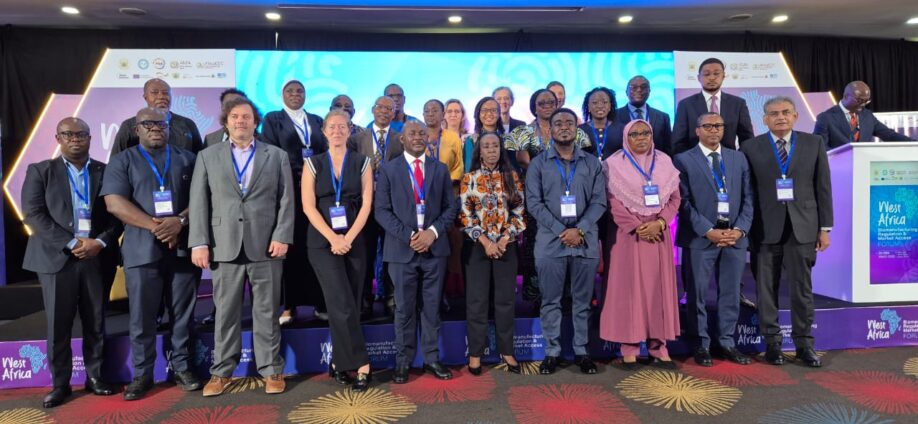
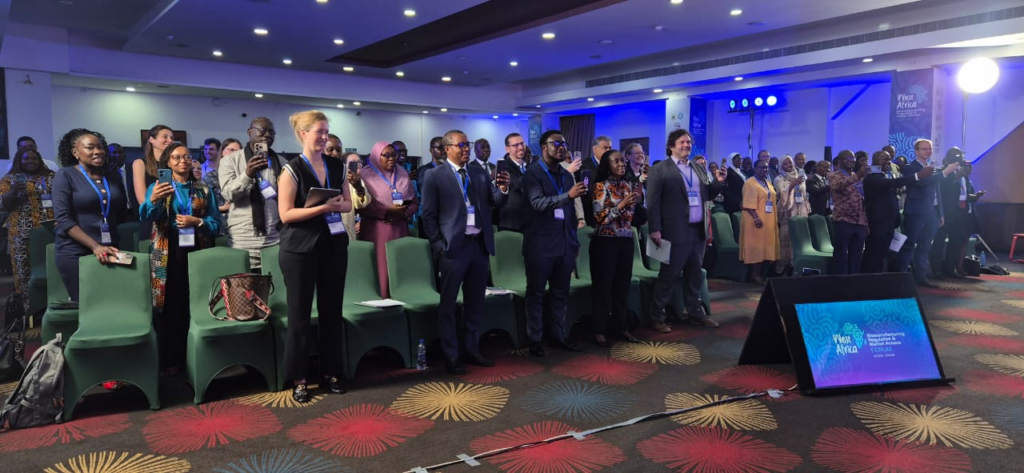
West African countries are deepening the use of regional regulatory frameworks to fast-track biomanufacturing and reduce dependence on imported vaccines. This was a key focus at the West Africa Bio-manufacturing Regulation and Market Access Conference in Accra, where industry players highlighted the need to align policies to unlock local vaccine production, biologics development, and biotech innovation.
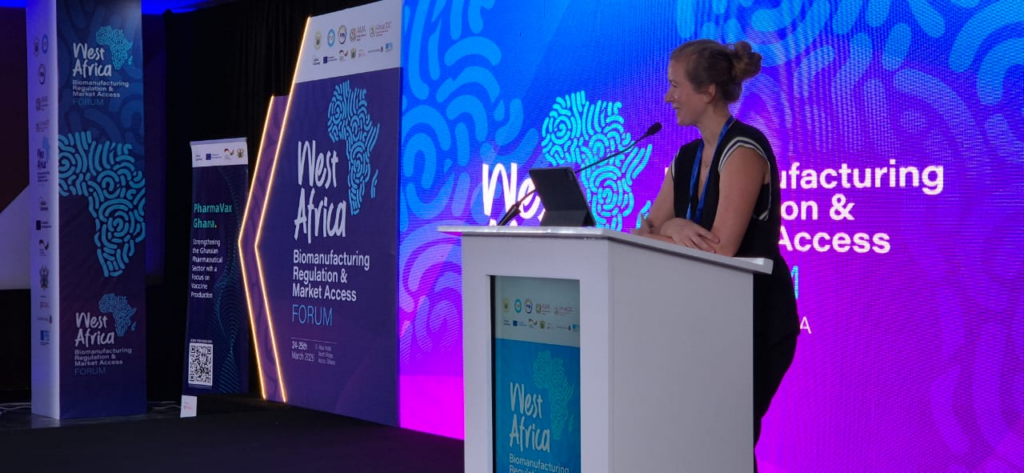
Director-General of the African Medicines Agency, H.E. Dr. Delese Darko, said the region is not starting from scratch but building on established harmonisation systems in medicines regulation, agriculture, and biosafety.
She noted that West Africa’s track record in aligning drug and vaccine approvals provides a strong foundation to extend similar frameworks into biomanufacturing, ensuring products manufactured in one country gain seamless regulatory acceptance across the sub-region.
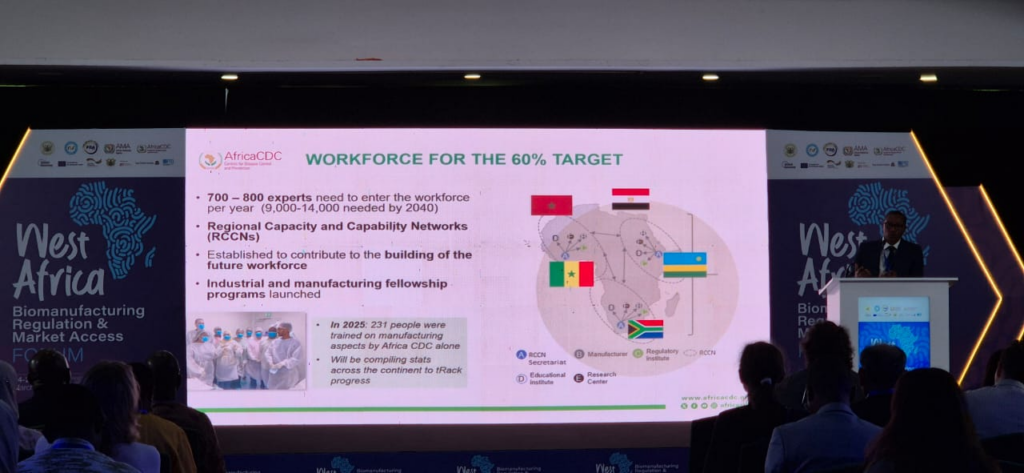
She stressed that regional integration remains critical to achieving Africa’s target of producing 60% of its vaccines locally by 2040, warning that the continent’s continued reliance on 99% importation poses significant public health and supply chain risks.

Regional architecture driving the shift
Experts at the forum outlined a “regional-first, national-implementation” model, anchored on strong institutional coordination. Under this approach, ECOWAS provides policy direction, while the West African Health Organization (WAHO) leads technical coordination and regulatory alignment.
They pointed to the West Africa Medicines Regulatory Harmonisation (WA-MRH) initiative—which established a centralised system for medicine and vaccine approvals across 15 countries—as a proven template for scaling biomanufacturing regulation.
Harmonisation efforts are also extending into critical technical domains, including Good Manufacturing Practice (GMP), clinical trial oversight, pharmacovigilance systems, and biosafety standards. In the biomanufacturing space, this covers advanced areas such as cell and gene therapies, bioprocess validation, and laboratory quality assurance frameworks.
Stakeholders further highlighted the importance of joint regulatory assessment mechanisms, which allow multiple countries to rely on a single scientific evaluation, reducing duplication and accelerating market authorisation for vaccines and biologics across borders.
In parallel, ECOWAS policy frameworks are being aligned to support research and development, technology transfer, and intellectual property protection—key enablers for building sustainable local manufacturing pipelines. Regulatory systems are also expanding to accommodate emerging technologies, including plant-based biotech and genetically engineered products.
These regional efforts are expected to dovetail with continental initiatives such as the African Medicines Regulatory Harmonisation (AMRH) programme and the African Medicines Agency (AMA), with the long-term objective of a unified African regulatory ecosystem.
Persistent bottlenecks
Despite the progress, challenges remain. CEO of the National Vaccine Institute, Dr. Sodzi Sodzi-Tettey, cited fragmented legal regimes, language barriers, infrastructure deficits, and the slow domestication of regional protocols as key constraints to scale.
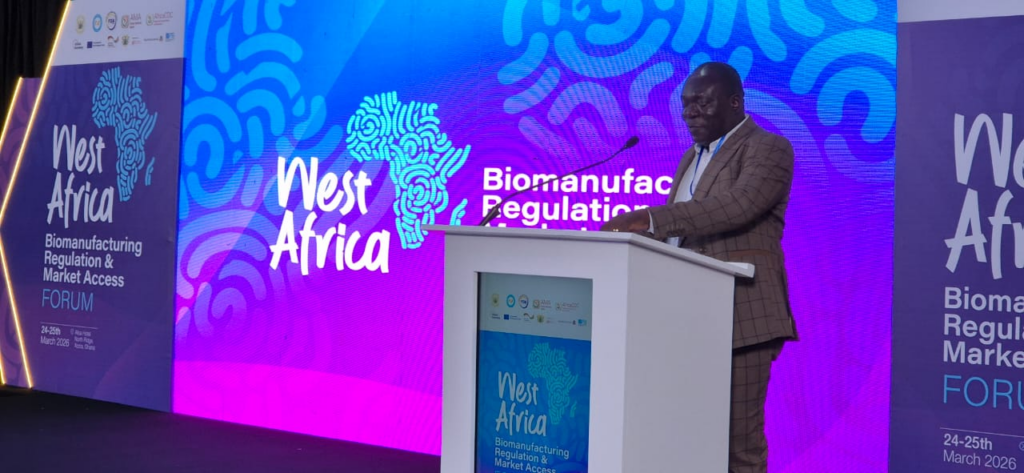
Director of Pharmaceutical Services at the Ministry of Health, Saviour Yevutse, also called for stronger political will to meet the 2040 vaccine production target. He warned that Africa’s heavy reliance on imports continues to expose the continent to supply shocks and health security risks.
He emphasised the need to move beyond policy declarations to actionable frameworks, particularly in pooled procurement and market access. According to him, vaccines produced within the region must circulate freely without regulatory bottlenecks.

“The region must transition from communiqués to implementation. A vaccine produced in Nigeria should be readily accepted in Ghana, just as a biopharmaceutical from Senegal should reach Liberia without redundant delays,” he said.
Participants at the forum called for intensified political commitment, capacity strengthening, and integrated procurement systems to position West Africa’s biomanufacturing sector as competitive within the global pharmaceutical value chain.
Latest Stories
-
Ghana’s economy grows by 7.4% in July 2026
6 minutes -
NDC member challenges Dennis Yeboah Twumasi’s eligibility for Bono Regional Secretary elections
16 minutes -
Popular Nigerian gospel singer Toluwanisings dies
27 minutes -
Spio-Garbrah proposes debt swaps to fund reparative justice in Africa and Caribbean
34 minutes -
Alban Bagbin calls for governance reforms and coordinated action to address Africa’s debt crisis
37 minutes -
AAK Academy Ghana trains 22 chocolate and confectionery companies in production techniques
38 minutes -
Adwumawura Programme trains second cohort of young entrepreneurs in Bono East
40 minutes -
Destroying Jimi River for gold could cost us our lives – Asantehene
47 minutes -
Sammy Gyamfi didn’t say BoG has ceded its forex role to us – GoldBod
2 hours -
High Court sets November 4 for ruling on Wontumi’s bail application
2 hours -
Tetteh Kwetey files nomination for NDC Greater Accra Regional Chairmanship
2 hours -
Korle Bu appeals for more doctors, nurses as A&E Centre struggles under pressure
2 hours -
AFCON 2027Q: ‘I’m optimistic Black Stars can turn things around’ – Agyemang-Badu
2 hours -
Digital innovation could widen Africa’s inequalities if people are left out – Sam Jonah
2 hours -
Galamsey is an economic, health and moral problem – Sam Jonah
2 hours