

Audio By Carbonatix
A new National Petroleum Authority (NPA) Bill, yet to be laid before Parliament, is expected to introduce major reforms to petroleum pricing and funding structures.
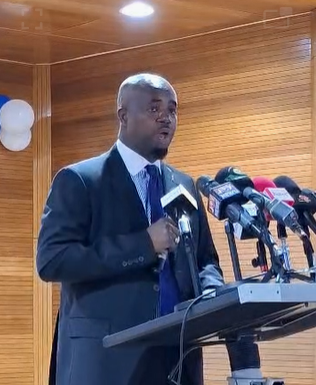
NPA Chief Executive Officer Edudzi Tamakloe disclosed the proposals while outlining ongoing stakeholder consultations on the draft legislation, which he described as part of efforts to streamline petroleum levies and improve efficiency in the downstream sector.
According to him, the bill also seeks to merge existing funding mechanisms into new consolidated structures to improve transparency and cost recovery in the industry.
“In the new NPA Bill, I usually call it the ‘NPA Bill’, it tries to bring two things together — the UPPF and the PDM,” he explained. “The UPPF and the PDM will now be what is called the Distribution Fund.”
The UPPF (Unified Petroleum Pricing Fund) and the Primary Distribution Margin (PDM) currently serve as separate components used to absorb costs associated with fuel distribution and logistics in the downstream petroleum sector.
Mr Tamakloe said under the proposed reforms, these funds will be merged to improve coordination and ensure more efficient management of petroleum pricing structures.
He added that another key component of the bill is the creation of an infrastructure-focused fund to support strategic investments in the sector.
“The BOST margin, among others, will go into what is now known as the Infrastructure Fund,” he noted, referring to the margin associated with the Bulk Oil Storage and Transportation Company.
The NPA boss further disclosed that there was an earlier legislation which introduced a Cylinder Recirculation Investment Margin, imposing an $80 charge on every metric tonne of LPG.
“We had to come to Parliament once again for Parliament to place about $80 per metric ton of LPG into that particular fund,” he said.
He explained that the levy is intended to finance Ghana’s Cylinder Recirculation Model, which aims to improve safety and efficiency in LPG distribution by shifting from individual cylinder ownership to a centralised exchange system.
According to him, the policy is designed to prevent consumers from bearing the full cost of infrastructure investments made by private bottling companies.
“The whole essence is to absorb the cost relative to the cylinder recirculation model because you do not want the big bottling companies, when they invest, the state must find a way of compensating,” he said.
Mr Tamakloe added that stakeholder consultations are ongoing ahead of the formal submission of the bill to Parliament, as the government seeks to modernise petroleum sector regulation and funding mechanisms.
Latest Stories
-
NPP’s new executives will not alter our 2028 preparations – Tanko-Computer
30 minutes -
Tema East MP urges men to take active role in breast cancer awareness
35 minutes -
Hawa Koomson vows to bring experience and maturity to NPP women’s wing
39 minutes -
Opare Addo cautions NDC against adopting NPP’s aggressive politics
40 minutes -
NPP has 35 months to prepare for 2028 after early reorganisation – Political strategist
46 minutes -
All six passengers presumed dead after plane went missing off US coast
57 minutes -
Teachers’ promotion arrears to be paid by Oct. 30 – Education Minister
1 hour -
Stop talking too much on stage – Kafui Dey warns MCs
1 hour -
Government has Ho, Volta Region at Heart — Warlord of Asogli
1 hour -
Mahama reaffirms commitment to Volta development at Asogli Te Za
1 hour -
REGSEC orders immediate demolition of fire-ravaged building at Koforidua Jackson Park
1 hour -
Ambassador Boateng congratulates new NPP leadership, urges reconciliation, rebuilding
2 hours -
50 vetted to contest Effutu NDC executive positions
2 hours -
GACL enhances security screening at Accra International Airport
2 hours -
COCOBOD raises GH¢3.39bn at 11% in first Commercial Paper tranche
2 hours