

Audio By Carbonatix
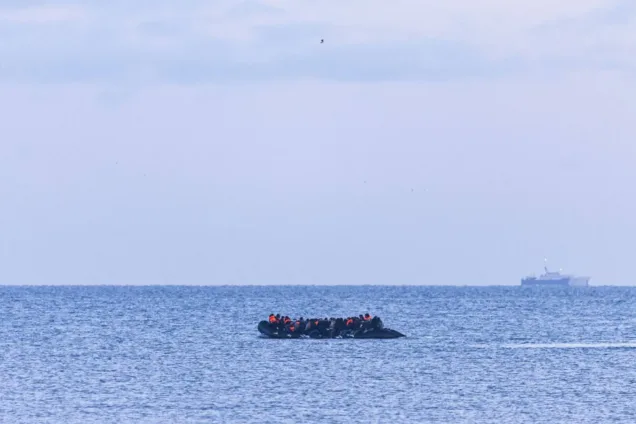
The International Organisation for Migration (IOM) reported on Tuesday that approximately 7,900 individuals died or disappeared on migration routes during 2025. This latest figure pushes the recorded death toll of the last decade to a staggering milestone. The United Nations Migration agency confirmed its Missing Migrants Project "has documented more than 80,000 deaths and disappearances during migration since 2014." These statistics represent a conservative estimate of the actual loss of life. The IOM noted that "while these figures represent only the lowest boundary of the true number of affected people, they nonetheless underscore the need for urgent action to end migrant deaths and address the complex needs of families left behind."
Systemic Failures and Invisible Victims
Current trends indicate a worsening humanitarian crisis despite international awareness. The IOM characterised the 2025 data as "a continuation and escalation of a global failure to end these preventable deaths." Rising mortality rates coincide with a decrease in transparency and support. According to the agency, "2025 was marked by an unprecedented level of aid cuts and restriction of information on dangerous irregular routes, rendering more and more missing migrants invisible." This lack of data hampers the ability of humanitarian organisations to respond effectively to emerging crises.
Shift in American Border Dynamics
Migration patterns in the Western Hemisphere underwent a significant transformation over the past year. Northbound movements along the Central American corridor saw a sharp decline relative to 2024 levels. Maria Moita, the IOM’s humanitarian response and recovery director, attributed this shift to "the great change in migration policies by the US administration and the closure of the southern border." While recorded fatalities on this route dropped, the IOM expressed concern over a significant "dearth of data" from US and Mexican authorities. Funding cuts have further limited the agency's ability to monitor these regions accurately.
Changing Demographics and European Sea Routes
Europe experienced a decline in total arrivals, yet the composition of migrant groups shifted. Bangladeshi nationals emerged as the largest demographic arriving on the continent. This change followed a decrease in Syrian arrivals linked to specific political and policy adjustments. The maritime journey remains exceptionally hazardous. Approximately 3,400 deaths occurred on sea routes leading to Europe. The central Mediterranean accounted for 1,330 of these losses. Additionally, more than 1,200 people disappeared on the Atlantic route toward Spain’s Canary Islands.
The West African Perspective
The impact of these statistics is felt acutely across West Africa. The Western Africa Atlantic route has seen a dangerous resurgence in activity. This route is frequently used by citizens from Ghana, Nigeria, and The Gambia. In 2025 alone, over 1,200 fatalities were recorded on this specific corridor to the Canary Islands. Many of these deaths involve youth seeking economic opportunities abroad. The loss of these individuals represents a significant "brain drain" and emotional toll on local communities. Families in the region often wait years for news of relatives lost at sea. This highlights the urgent need for domestic investment and safer legal pathways within the ECOWAS region.
Continental Commitment to Reform
African leaders are increasingly taking a unified stand on migration safety. In April 2026, African Union member states met in Cairo to strengthen regional cooperation. They called for better protection of migrants in distress and improved tracking of the missing. These nations are working toward a unified African position for the upcoming International Migration Review Forum. The goal is to ensure the "lived realities of migrants and their families on the continent" are prioritised in global policy. These collaborative efforts aim to reduce the reliance on dangerous, irregular routes by improving continental mobility. This shift reflects a growing determination within Africa to manage its own migration narrative.
Record Fatalities in Southeast Asia
The Bay of Bengal and the Andaman Sea became sites of historic tragedy in 2025. Nearly 900 deaths and disappearances were documented in these waters. This specific route is utilised almost exclusively by Rohingya refugees seeking safety. The IOM identified 2025 as the "deadliest year on record for this route." These figures highlight the extreme vulnerability of displaced populations in Asia.
The Enduring Impact on Families
The consequences of these disappearances extend far beyond the immediate victims. The IOM estimates that at least 340,000 family members have been directly affected by the missing migrant crisis since 2014. These relatives face unresolved psychological, legal, and economic burdens. IOM chief Amy Pope emphasised that "behind these numbers are people taking dangerous journeys and families left waiting for news that may never come." The agency maintains that "sustained political will is needed to save lives on migration routes worldwide and make visible the families most impacted by these preventable losses."
A Call for Data-Driven Intervention
Addressing the crisis requires a combination of political action and improved tracking. "Routes are shifting in response to conflict, climate pressures and policy changes, but the risks are still very real," Pope stated. The agency argues that current deaths are preventable if states prioritise safe pathways. Pope further noted that "data is critical to understanding these routes and designing interventions that can reduce risks, save lives and promote safer migration pathways." The IOM continues to urge global leaders to find the political resolve necessary to prevent further loss of life.
The Intersection of Policy and Protection
The 2025 IOM findings illustrate a complex global landscape where tightened border security and humanitarian needs frequently collide. As nations implement more restrictive migration frameworks to manage sovereign borders, the redirected flow of people often moves toward increasingly perilous and unmonitored territories. This creates a persistent challenge for the international community: balancing the enforcement of national immigration laws with the moral and legal obligation to preserve human life. Ultimately, the resolution of the missing migrant crisis depends on whether global actors can harmonise security priorities with the establishment of transparent, safe, and regulated pathways for those in transit.
Latest Stories
-
Italy, Ghana unite 40 artists for ‘Beyond Creation’ exhibition at Accra Art Centre
1 minute -
Premature to call for Sports Minister’s removal while CID probe is ongoing – Ernest Norgbey
21 minutes -
NPP mourns Samuel Arthur Odoi-Sykes
38 minutes -
Stay out of World Cup visa probe to avoid interfering with CID investigations – Ernest Norgbey to politicians
49 minutes -
Bono East Minister inspects ‘Big Push’ roads; contractor on Tankor-Fiema-Busunya road ahead of schedule
52 minutes -
Scrutiny is not disloyalty – Chief of Staff defends serious journalism at 30th GJA Awards launch
53 minutes -
Abuse case: Nana Akua’s husband Harold unable to appear in court after hospital admission – Police
1 hour -
Mahmud Kabore picks NDC Ashanti Regional Communication Officer nomination forms
1 hour -
KNUST Career Services pioneer Selina Doe Angmor named among 2026 40 Under 40 honourees
1 hour -
Nana Akua domestic abuse case: Police to arraign husband after hospital discharge
1 hour -
NHIS coverage rises to 70% after government uncaps levy – Health Minister
2 hours -
World Cup visa scandal: I’ll go after anyone who dents Mahama’s gov’t – Ernest Norgbey
2 hours -
GCNM calls for a permanent office complex, more funding for specialist nursing training
2 hours -
Salomey Awiti Baffoe reunites with family after GH¢100k bail
2 hours -
We’ll modernise Accra without losing its heritage – Roads Minister assures Ga Mantse
2 hours