

Audio By Carbonatix
The passage of Ghana’s Human Sexual Rights and Family Values Bill marks a pivotal consolidation of social conservatism. This legislative move forces a critical crossroad for the nation's democratic identity, fiscal stability, and international partnerships. The approved legal framework expands the criminalisation of homosexuality and penalises the promotion of LGBTQ+ activities.
It actively strengthens legal penalties within the West African nation. The legislation proposes that identifying as lesbian, gay, bisexual, transgender, or queer be punished by up to three years' imprisonment. It significantly widens the scope of existing prohibitions by targeting advocacy, support, and organisational funding. Under the new provisions, individuals face prison terms of up to 10 years for promoting LGBTQ+ activities.
The legislation bans “promoting, sponsoring or advocating” LGBTQ acts and the funding of LGBTQ groups and activities. Furthermore, the statute mandates a "duty to report" prohibited acts to police. This creates a formal legal requirement for citizens to report suspected violations to law enforcement. This policy pivot effectively transforms private identity into a matter of active civic surveillance.
Cultural Preservation and State Endorsement
The swift legislative approval underscores a deeper alignment between domestic political calculations and traditional constituencies. Proponents frame the legislation as an essential measure to safeguard domestic social structures against foreign influence. In an address to parliament, the bill's sponsor, Reverend John Ntim Fordjour, said it would protect Ghanaian family and cultural values. Lawmakers argue that the statutory amendments are necessary to close perceived loopholes in historical legal codes. He said the new bans would make existing laws "more robust, more encompassing and more stringent in dealing with the practices of LGBTQI".
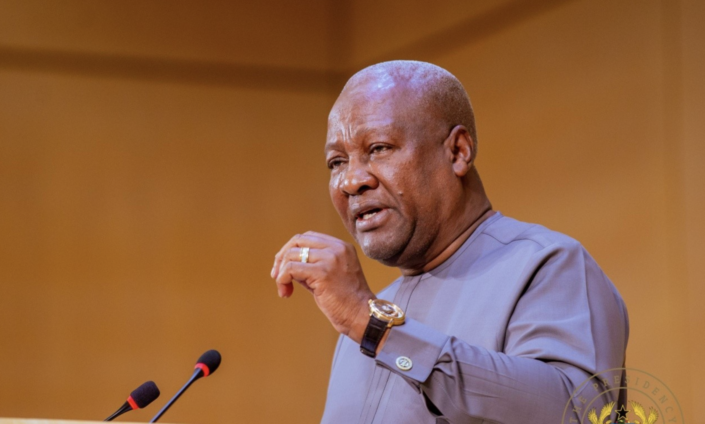
Religious institutions have maintained consistent domestic pressure to ensure the executive branch codifies these measures. Religious leaders have pressured President John Dramani Mahama, who still needs to ratify the legislation, to strengthen anti-gay laws since he came to power last year. Unlike his predecessor, the current head of state has signalled an intent to finalise the measures into law. This dynamic demonstrates how political survival in Accra has become intertwined with conservative cultural mandates. The current President, Mahama, has indicated he would support the bill's passage, saying shortly after he took office that "I believe in the principles and values that only two genders exist – man and woman - and that marriage is between a man and a woman."
Human Rights Concerns and Social Implications
As the immediate news of the bill's passage reverberates globally, human rights groups are mobilising to assess the unfolding humanitarian impact on the ground. International observers and civil rights organisations argue that the law institutionalises discrimination and compromises basic civil liberties. The ban has been sharply criticised by international organisations, including Human Rights Watch, which said it placed LGBTQ+ people's lives at risk while also "encouraging citizens to surveil and denounce one another". Activists emphasise that the citizen-reporting mandate severely alters the domestic social fabric. It creates an atmosphere of pervasive suspicion. This climate is reflected in local testimonies from vulnerable populations who note, "We live in fear of snitches."
Critics also maintain that the law undermines foundational liberties guaranteed under domestic and international legal frameworks. Legal challenges are expected to focus heavily on how these provisions infringe upon basic constitutional freedoms. Human Rights Watch recommended the bill be abandoned in a formal submission to the constitutional and legal affairs committee scrutinising the legislation in the capital, Accra. The organisation condemned the bill and urged Ghana’s government to “uphold the international legal protections that guarantee every Ghanaian the rights to equality, nondiscrimination, freedom of expression, and privacy.”
Scope of Prohibitions and Legal Exceptions
An analysis of the final statutory text reveals a framework that isolates the LGBTQ+ community by penalising its broader social infrastructure. The current bill expands liability beyond directly impacted individuals to encompass broad networks of social support. Anyone who identifies as an "ally", a general term for a supporter of LGBTQ+ people, could also face a prison sentence. To manage the institutional impact of these broad definitions, lawmakers inserted specific liability protections for certain civil sectors to prevent systemic institutional gridlock. Exemptions were included for legal, media and healthcare professionals who report on LGBTQ+ issues or provide medical treatment or other services for gay people. However, commercial entities face targeted penalties under specific clauses of the legislation, which provides for a five-year prison term for someone who runs a brothel for prohibited sexual activity.
Constitutional Precedent and Economic Risks
The political trajectory of this legislation highlights a recurring institutional struggle within Ghana's democratic framework. The passage of this bill represents a secondary legislative push following a previous procedural expiration. Ghana passed a similar bill in 2024, but it did not become law after former President Akufo-Addo failed to sign it amid legal challenges. Under the rules of governance, specific timelines dictate the validity of unratified statutory drafts. According to the Ghanaian constitution, if the president does not sign draft legislation before the end of a parliamentary term, the legislation automatically expires and must be passed again by the new parliament.
The Ministry of Finance and independent domestic economists warn that the immediate post-passage period will test Ghana's fiscal resilience against foreign blowback. The revival of the text reintroduces critical macroeconomic concerns for Ghana's fiscal stability. When the previous bill was assed in 2024, Ghana’s Ministry of Finance warned that its enactment could jeopardise billions of dollars (amounting to tens of billions of Ghana Cedis) in international financing and support from development partners. The potential withdrawal of foreign aid and development loans poses a calculated risk to the national budget at a time of critical economic recovery.
Historical Evolution of Domestic Statutes
To fully understand this legislative escalation, it must be viewed not as a sudden policy shift but as the formalisation of historical legal norms. The modern legislative debate builds upon judicial frameworks established during the colonial era. Same-sex relationships have been banned in Ghana under laws dating from the British colonial era. These foundational statutes relied on broad definitions regarding personal conduct. Same-sex sexual relations are already criminalised in Ghana under an existing colonial-era law that prohibits what it describes as “unnatural carnal knowledge.” Despite the longevity of these statutes on the books, actual enforcement has historically remained rare, as there have been no prosecutions to date. The new bill represents a shift from passive non-enforcement to active statutory policing.
Regional Trends Across the African Continent
Ultimately, Ghana’s legislative step cannot be evaluated in isolation; it reflects a broader continental shift toward social conservatism. Ghana’s legislative trajectory aligns with a broader geopolitical pattern of increasing statutory restrictions across sub-Saharan Africa. Several African countries have cracked down on LGBTQ+ rights in recent years. Neighbouring states have recently implemented comparable or more severe penal codes. Senegal's parliament approved similar legislation in March,h prescribing a maximum prison term of 10 years for sexual acts by same-sex couples and criminalising the 'promotion ' of homosexuality.
The severity of punishments varies significantly across the continent, with some nations applying maximum judicial penalties. Uganda introduced a death penalty for certain same-sex acts in 2023. This regional trend reflects deep-seated socio-political dynamics that resist Western diplomatic pressure on social policies. More than 30 of Africa’s 54 countries have laws that criminalise same-sex sexual acts. The legal landscape remains highly fragmented but heavily skewed toward prohibition, as some of the laws carry lengthy jail terms of more than 10 years, while the punishment is the death penalty in countries like Somalia, Uganda and Mauritania. Ghana’s latest actions solidify its position within this hardening regional consensus.
The Path Forward and Partisan Concurrence
The immediate future of the bill hinges entirely on executive ratification, making President Mahama’s next move the defining variable. Having inherited the legislative momentum from the previous administration, Mahama's impending decision represents the final domestic hurdle before the bill is officially codified into law. This legislative push highlights a rare area of consensus in Ghana's highly polarised political arena. The anti-LGBTQ+ framework has successfully united the country's two dominant political factions, bridging the divide between the ruling New Patriotic Party (NPP) and the opposition National Democratic Congress (NDC). While these parties routinely clash over macroeconomic management and governance, they have aligned on this cultural directive. This cross-party synergy demonstrates that the clamping down on LGBTQ+ advocacy is driven by a deep-seated domestic consensus that transcends standard partisan politics.
The Impending Judiciary Showdown
While executive ratification remains the next immediate hurdle, the ultimate fate of the legislation will likely be determined in the courtrooms of Accra. Local civil society groups and international legal observers are preparing for an immediate constitutional challenge the moment the bill receives presidential assent. Previously, the Supreme Court of Ghana dismissed early lawsuits against the bill, ruling that judicial intervention was premature before a draft was officially finalised into law. This means the legal battlefield has merely been deferred rather than resolved. Once enacted, the judiciary will face immense domestic pressure to balance popular cultural mandates against Ghana's constitutional guarantees of privacy, human dignity, and non-discrimination. This upcoming legal review will serve as a high-stakes test of the independence of Ghana's judicial branch under intense political scrutiny.
Sovereignty, Rights, and the Post-Passage Horizon
As Ghana stands on the verge of enacting this statutory overhaul, the nation faces a complex balancing act between self-determination and global integration. For proponents within the NPP, the NDC, and conservative religious bodies, the bill stands as a legitimate exercise of national sovereignty designed to insulate local heritage from external pressure.
Conversely, for the embattled domestic LGBTQ+ community and international human rights monitors, the law represents a stark retreat from democratic pluralism that threatens basic human dignity. The upcoming period will determine whether Ghana can successfully absorb the anticipated economic and diplomatic friction, or if the domestic costs of enforcing such sweeping cultural legislation will force an internal reevaluation of the law. Ultimately, Accra's impending choice will serve as a bellwether for how developing democracies navigate the intensifying friction between localised cultural values and international human rights frameworks.
Latest Stories
-
Police investigate alleged child-stealing involving two pupils in Ashanti Region
16 seconds -
Nhyiaeso NPP Chairman provides GH₵50,000 support to executives, party members, and community
5 minutes -
Man nearly drowns while swimming to catch missed pontoon on Volta Lake
11 minutes -
Belgian student protests against education costs echo France
12 minutes -
Haruna Iddrisu rejects Bawumia’s claims of Free SHS setbacks
13 minutes -
African Union launches continent’s first credit rating agency
16 minutes -
Ghana’s digital finance story still not complete, as more transactions end up as cash – BoG Governor
20 minutes -
Free speech does not protect criminal threats against public officials – Kwakye Ofosu
20 minutes -
Former NPP Chairman and Minority Leader Samuel Odoi-Sykes passes on
31 minutes -
Ayawaso West Assembly cracks down on unauthorised market near Villagio
43 minutes -
Lastec CEO Lasisi Oseni nominated for Ghana Auto Fix Award
48 minutes -
Polo Beach Club land belongs to La Traditional Council, not Labadi Beach Hotel – Freddie Blay
49 minutes -
‘Don’t speculate’ – Upper West Minister charges SOCO facilitators as project delivers 127 projects, 173 more underway
50 minutes -
Finance Ministry approves 3 months’ rent allowance for security personnel
1 hour -
Ten people linked to Kenya’s first-ever Ebola case quarantined as screening concerns grow
1 hour