

Audio By Carbonatix
A mother of two retreating from climate change is turning homes in Tamale into hazardous "heat traps." In communities like Duko, traditional thatch housing, which naturally balances temperature, is being replaced by zinc-roofed structures with no ceilings and poor ventilation.
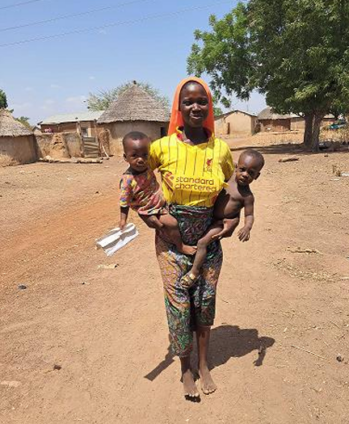
For newborns, whose bodies cannot yet regulate temperature, these indoor environments are increasingly life-threatening. Young mothers like Sahadatu Abdallah are on the front lines. “The sun produces so much heat, I don’t know where to go,” she says, pointing to the heat rashes covering her firstborn.
The conditions are so harsh that Sahadatu has decided to avoid future pregnancies during the heat season.
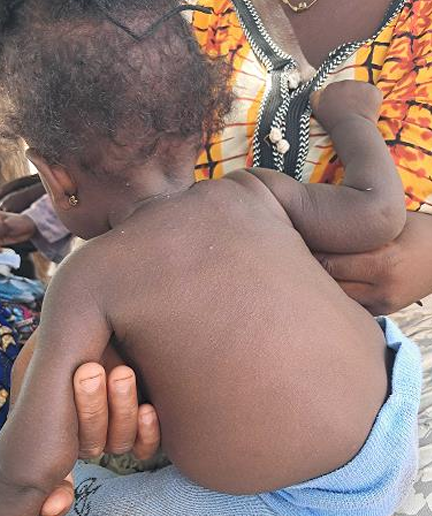
At the Duko community, Amina Seidu and Khadijah Issahaku share similar stories. Their days are spent huddled under trees for shade, and their nights are spent in open yards, only retreating to their rooms at dawn.
“My baby’s body suddenly gets hot, and she cries throughout,” Amina says, noting she has already sought hospital treatment three times for heat-related distress.
Mr Solomon Abotiba Atinbire, a Climate and Health Researcher at the University for Development Studies (UDS), explains that newborns face "physiological vulnerability."
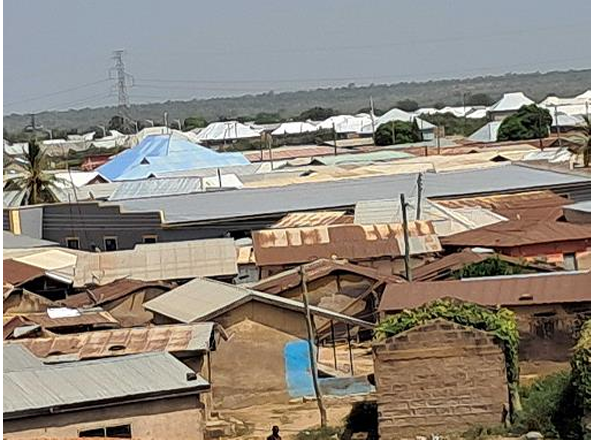
A section of Tamale Central.
Because babies have a high surface-area-to-body-mass ratio and undeveloped cooling mechanisms, they absorb environmental heat faster than adults but cannot efficiently disperse it.
The impact extends to mothers through "environmental burnout." Excessive heat can cause maternal distress, which may reduce breastmilk production and shorten breastfeeding periods, indirectly compromising the infant's nutrition and immunity.

Mr Solomon Atotiba Atinbire
The crisis demands a shift in both behaviour and infrastructure. Parents are urged to abandon traditional practices of overdressing babies in heavy, silky layers, which worsens heat retention.
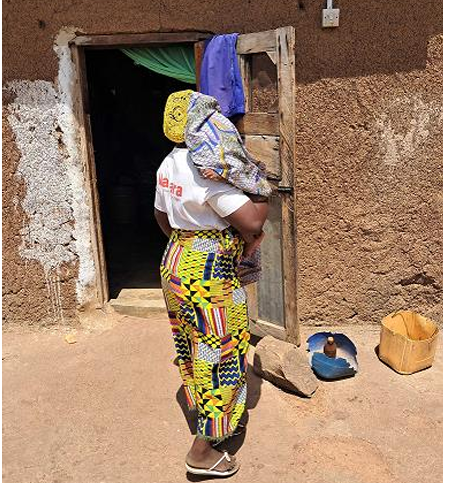
Sahadatu Abdallah with her newborn.
Landlords and developers must prioritise climate-friendly architecture, ensuring buildings include adequate ventilation and cooling features to protect the most vulnerable.
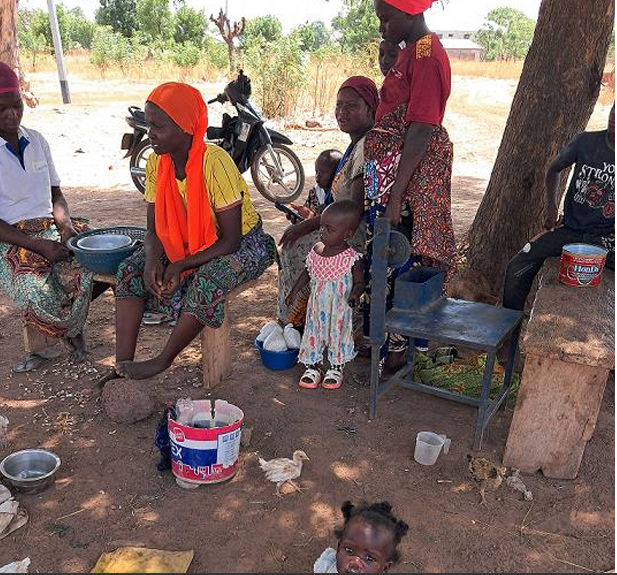
Mothers with their children under trees in the Duko community.
As northern Ghana faces more frequent and intense heatwaves, the survival of its youngest citizens depends on adapting both the homes they live in and the care they receive.
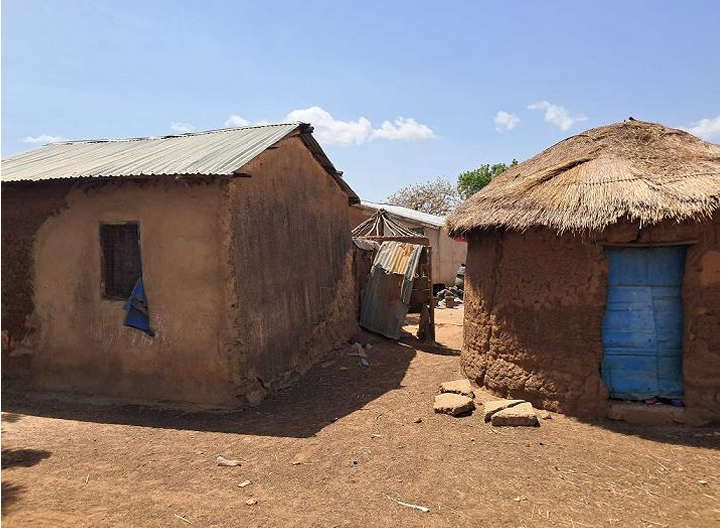
Zinc – roofed room and a thatch-roofed room.
This story is made possible JoyNews in partnership with CDKN Ghana, University of Ghana Centre for Climate Change and Sustainability Studies, with funding from CLARE R4I Opportunities Fund.
Latest Stories
-
Trump administration moves to impose more than $100,000 fee for H-1B worker visas
1 hour -
Oil prices steady as investors weigh impact of expanded US sanctions against Iran
3 hours -
Trump administration plans to revoke visas of foreigners seeking asylum
3 hours -
US appeals court considers reassigning case from judge over AI use
3 hours -
Trump bought shares in Elon Musk’s SpaceX in June, financial disclosure shows
3 hours -
MTN approves $375 million share buyback after profit rise
4 hours -
Ghana gold buyers went weeks without funds, sources say
4 hours -
Nevada sues to block Trump administration’s Colorado River plan
4 hours -
Tunisian hospital receives 19 bodies after migrant boat sinks
4 hours -
Oil drops more than $2 despite new US sanctions on Iran
4 hours -
Dangote refinery drives seven-fold rise in Nigeria petroleum product exports, EIA says
5 hours -
Zambia closes courts on last day to file election challenge
5 hours -
Nearly three million Teslas recalled in China over hidden door handles
5 hours -
China probes use of formaldehyde to keep cabbages fresh
5 hours -
Veteran Nollywood actor Taiwo Hassan ‘Ogogo’ dies at 65
5 hours