


Audio By Carbonatix
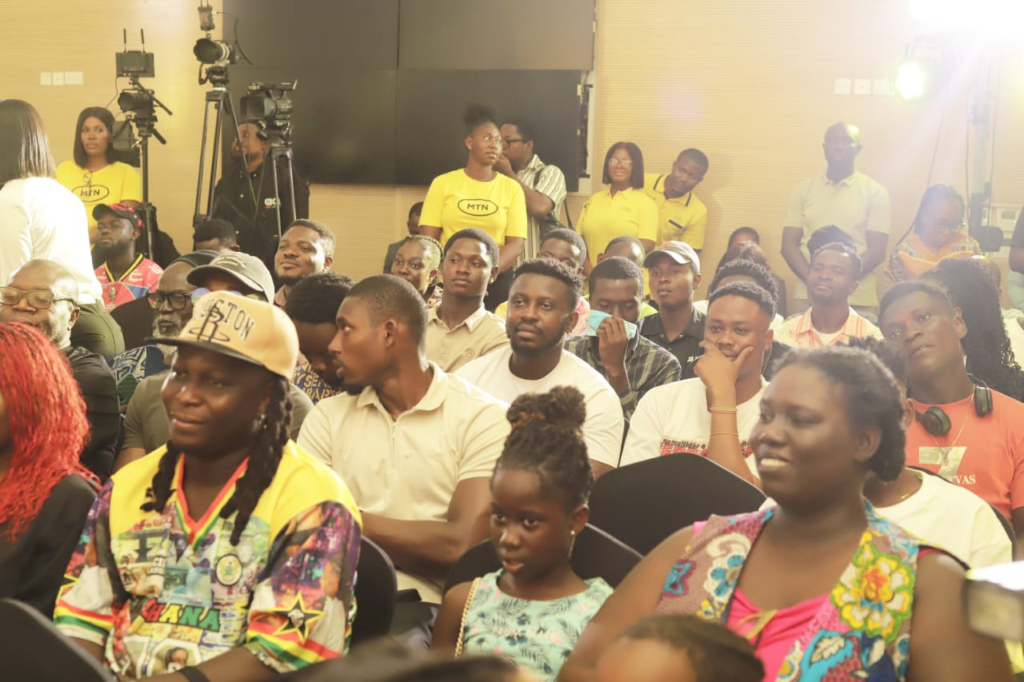
Telecommunication giant, MTN Ghana, held the maiden edition of its Digital Music Conference, bringing together key players in the music industry to discuss how artistes can earn sustainable income in the digital age.
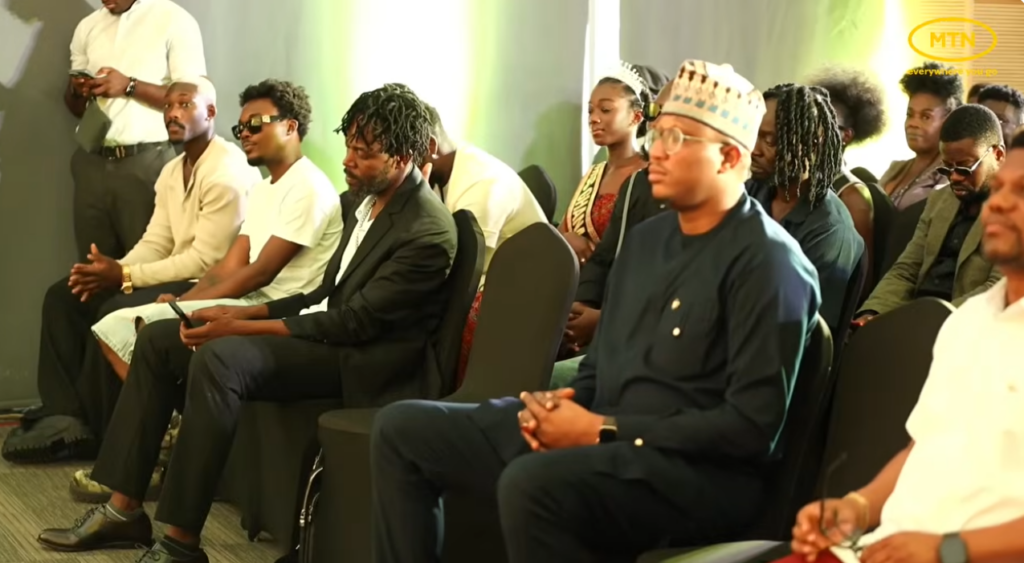
The event, held at MTN House on Thursday, April 29, drew participation from artistes and industry stakeholders, including D-Black, Bessa Simons, Baba Sadiq, Camidoh, Episode, and Kwaw Kese.
Opening the conference, Acting Chief Digital Officer of MTN Ghana, Bless Sefenu Agordzor, said the focus was on “opportunity, ownership, and sustainability in our creative economy.”
He described Ghanaian music as “a powerful cultural export connecting generations and reaching global audiences,” but noted that many artistes still struggle to convert popularity into income.
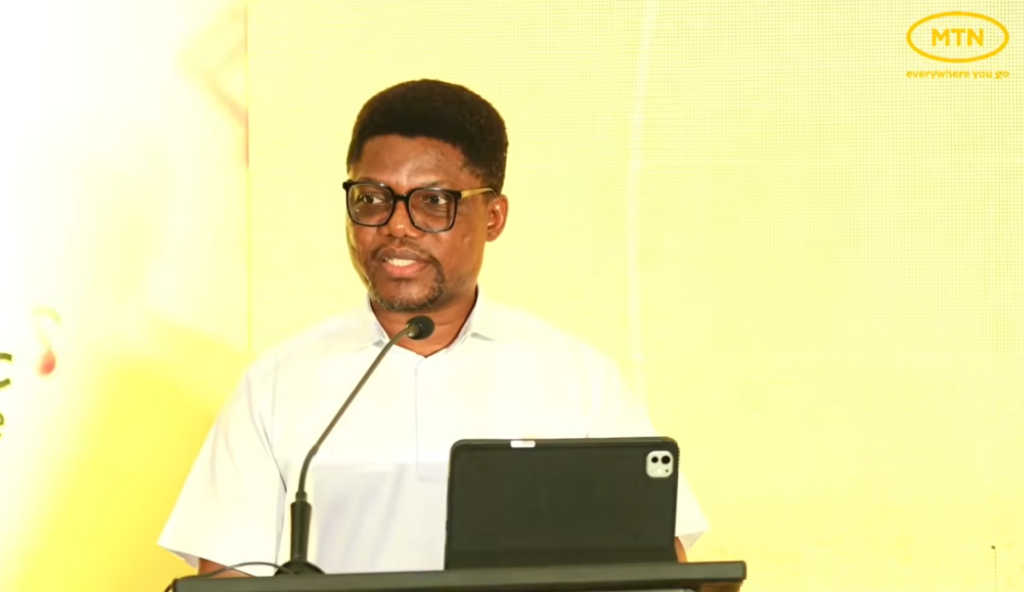
“Many artistes still face a key challenge: how to turn visibility into sustainable income,” he said.
Mr Agorzor explained that although platforms such as Spotify, Boomplay, Audiomack, and Apple Music have expanded global reach, revenue remains a major concern.
Citing industry data, he said earning about $1,000 from streaming requires high numbers. “On Boomplay, an artiste needs about one million streams. The same applies to Spotify and YouTube, while Apple Music requires about 250,000 streams,” he stated.
He added that alternative platforms such as caller ring-back tones (CRBT) offer a more accessible route to earnings.
“The same $1,000 can be generated through about 200,000 CRBT downloads, with the added benefit of recurring monthly income as long as subscriptions remain active,” he said.
According to him, MTN’s platforms, including CallerTunez, MTN Radio, and DJ Mix, provide direct access to millions of listeners, but adoption remains low.
“Participation, particularly on CRBT, remains below potential due to limited awareness and misconceptions about revenue sharing,” he noted.
He said MTN aims to double the number of artistes on its digital platforms and strengthen partnerships across the industry.
“MTN does not see artistes as content suppliers, but as partners,” he added.
During a panel discussion, Founder of GH Music Publishing, Diana Hopeson, highlighted the importance of proper music registration in ensuring artistes earn from their work.
“At this time that the whole world has gone digital, music has changed. The song is everywhere, but where is the money?” she questioned.

She explained that without proper registration, artistes risk losing royalties.
“The most important thing is for the song to be well registered so that wherever it is played, the money can be traced back to the right owners,” she said.
Mrs Hopeson urged musicians to register with the Copyright Office and join a collective management organisation such as GHAMRO. She also highlighted the role of publishers in collecting revenues that individual artistes may miss.
“If your work is not well registered, you will lose some royalties that you as an individual cannot claim,” she cautioned.
President of the Musicians Union of Ghana (MUSIGA), Bessa Simons, also called for stronger collaboration within the industry and urged musicians to support royalty collection systems.
“Let me clear this misunderstanding, MUSIGA is different from GHAMRO. GHAMRO collects royalties and distributes them, while MUSIGA supports musicians,” he explained.
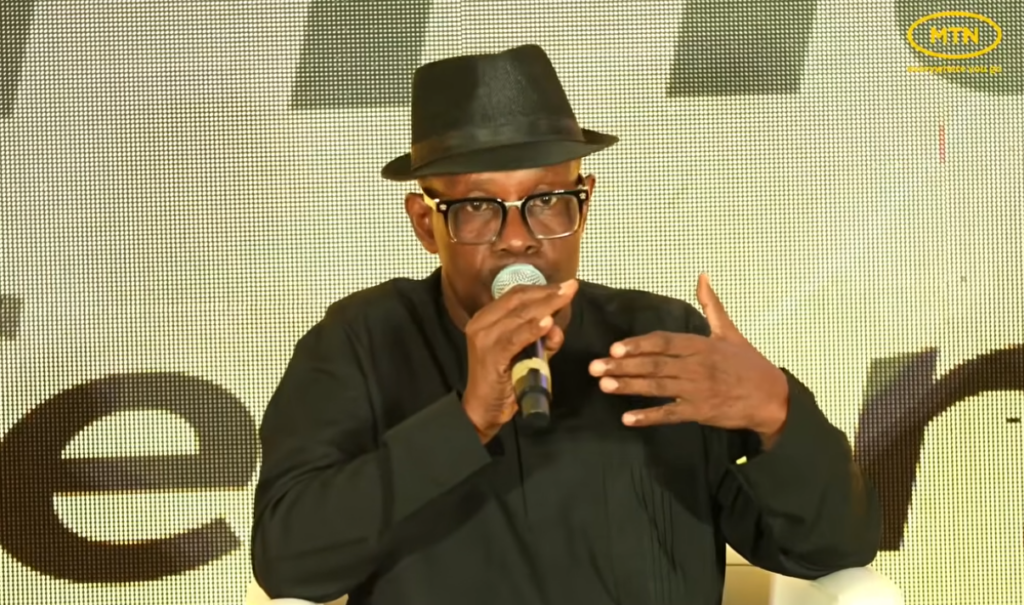
He described the conference as “a strategic intervention” aimed at addressing income challenges in the industry.
“Many artistes are gaining visibility but struggling to translate that into meaningful and consistent income,” he said.
Mr Simons encouraged musicians to explore alternative income streams such as CRBT and diversify their revenue sources.
“The future of music revenue does not depend on a single platform. It lies in diversification,” he said.
He also announced the introduction of a pension scheme for musicians, urging them to plan for the future.
Musician D-Black raised concerns about transparency and education around royalties, saying many artistes lack understanding of how the system works.
“A lot of musicians don’t understand publishing or the types of royalties that exist,” he said.
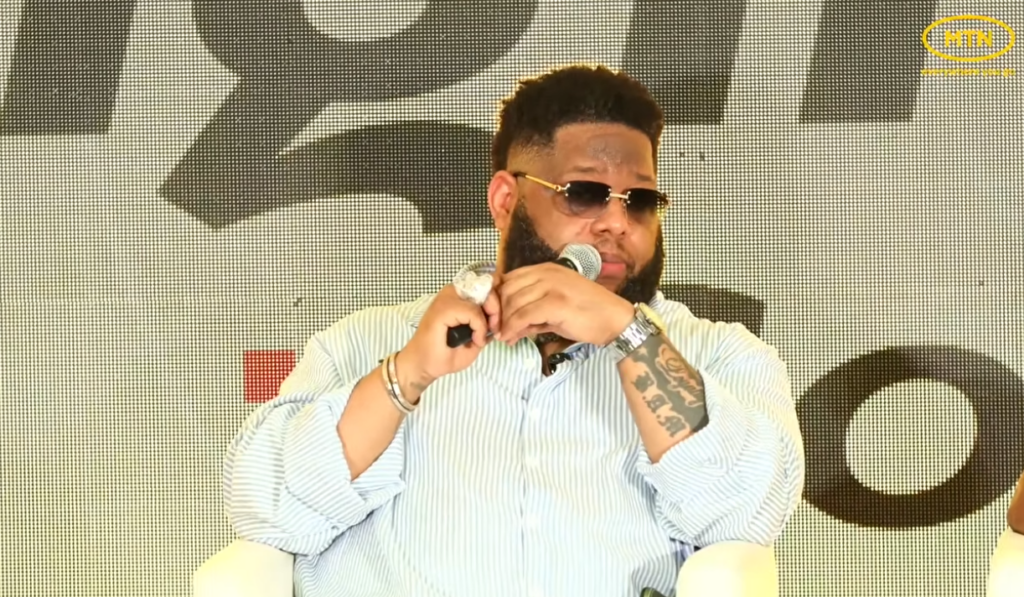
Sharing his experience, he revealed that one of his songs generated significant royalties abroad while he earned nothing locally.
“I have made over $100,000 from one song through foreign societies, but in my home country, zero,” he disclosed, calling for improved accountability.
He also mentioned the need for digital systems that allow artistes to register and manage their music online.
“We are in a tech age. You should be able to upload your music without physically going to offices,” he said.
Gospel musician and MTN Ghana staff member, Nsroma Amoabeng, highlighted the earning potential of telecom-based platforms compared to traditional streaming.
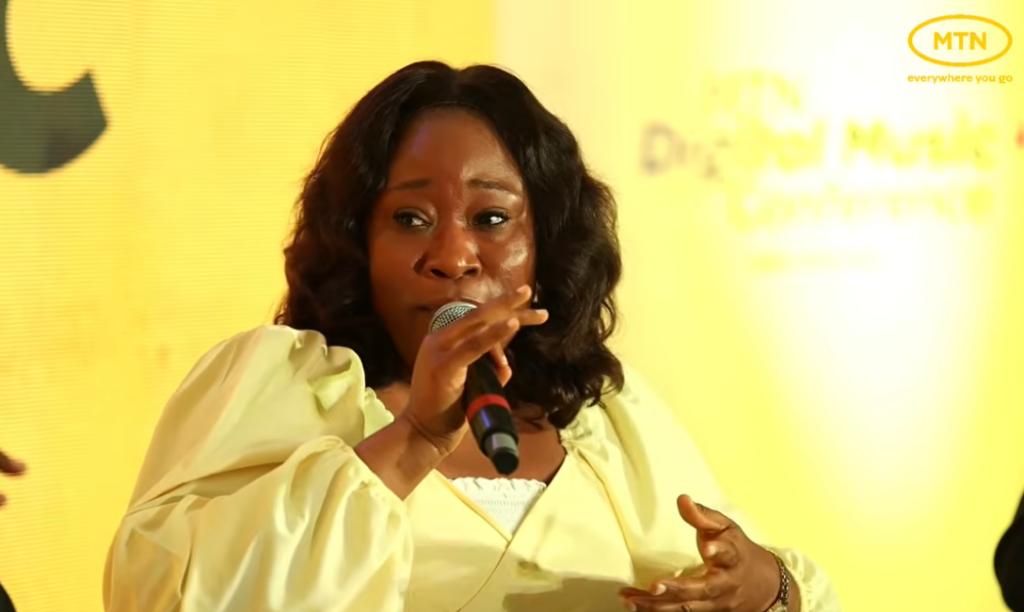
She shared a personal example, explaining that despite spending about $500 promoting a song on YouTube, she earned no direct revenue.
“If I had spent the same amount on CRBT, I could have secured about 40,000 downloads and earned around GH₵2,200 monthly,” she said.
She explained that, unlike streaming, CRBT offers recurring income, saying “With streaming, you earn once per milestone. But with CRBT, the income continues as long as users stay subscribed,” she said.
Ms Amoabeng urged artistes to take advantage of such opportunities. “There is money on the table that we are not paying attention to,” she said.
Founder of 3Music Network and Ghana’s High Commissioner to Nigeria, Baba Sadiq, also mentioned the importance of data, strategy, and audience understanding in building a successful music career.
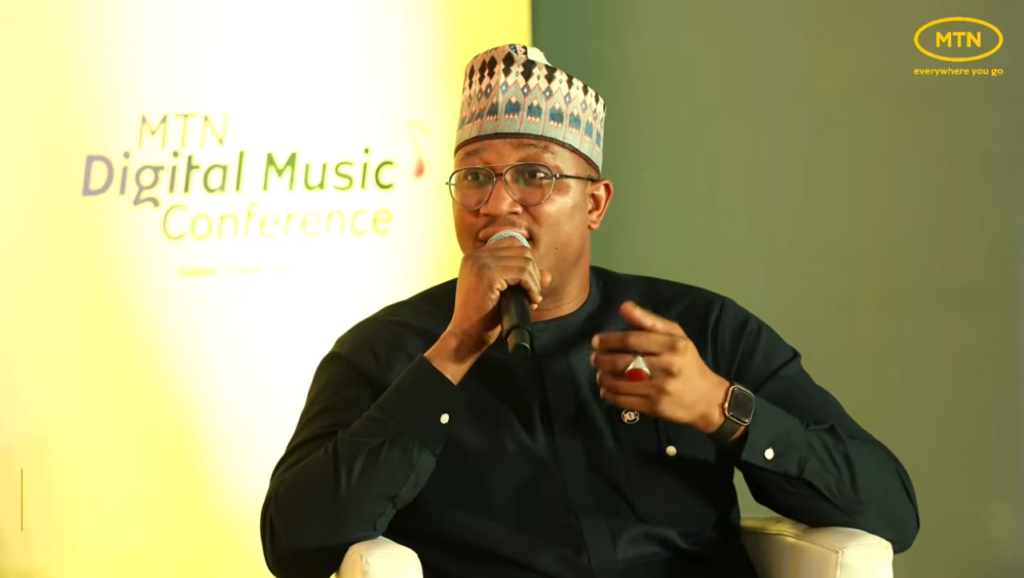
He said that while streaming platforms remain important, alternative channels such as CRBT have been overlooked over time.
“CRBT used to be a significant revenue line for industry players, but along the line, perceptions about the model pushed many towards other platforms,” he said.
Mr Sadiq explained that the modern music business is no longer driven purely by creativity, but by insight and research.
“Today, none of the stars are just dropping music based on how they feel. It is insight-driven. You need to understand your audience, their behaviour, and what they respond to,” he said.
He pointed out that data from digital platforms can guide artistes on where their audiences are located, what type of content performs well, and how to shape their music and branding.
“You can see where your fans are, the age groups that engage most, and even the kind of themes that resonate,” he noted.
According to him, the most active music consumers currently fall within a younger demographic.
“The active users who drive trends are largely between the ages of 13 and 24. Beyond that, engagement becomes more passive due to lifestyle changes,” he explained.
Mr Sadiq said this makes it important for artistes to tailor their content and messaging to match audience expectations.
He also stressed that breaking into the industry has become more expensive, with visibility now requiring deliberate investment.
“Music is expensive. If you don’t have funding, it is difficult to break through, regardless of your talent,” he stated.
However, he advised upcoming artistes without financial backing to adopt a content-driven strategy.
“You must think like a content creator. Build a fan base consistently before and after releasing your music,” he said.
He cited digital creators who have built large audiences online and are able to convert that into influence and revenue.
“These creators are able to move their online audience into real-life engagement. That is the kind of leverage musicians must build,” he explained.
Mr Sadiq further said that traction remains the key to attracting investment and industry support.
“You are not going to get money without traction. Labels and investors are drawn to what is already working,” he said.
He encouraged artistes to explore all available platforms, including CRBT, while building a strong digital presence.
“There are many platforms available today. The key is to understand how to use them strategically and consistently,” he added.
The conference highlighted a call for stronger collaboration, better education, and wider adoption of digital tools to help Ghanaian musicians turn their creativity into sustainable income.
Latest Stories
-
Canoe races, drumming and pageantry mark Oguaa Fetu Afahye Regatta
3 minutes -
An open letter to the Chief Justice of Ghana
6 minutes -
NEIP CEO Eric Adjei calls for increased investment in agriculture to attract Ghanaian youth
7 minutes -
NSMQ 2026: PRESEC-Legon storm final, set sights on historic 9th trophy after eliminating St John’s, Tamale SHS
13 minutes -
NEIP CEO Eric Adjei donates 1,500 bags of fertiliser to Jaman North farmers
15 minutes -
Hamza Ayembilla declares bid for NDC Deputy Youth Organiser in Ashanti
20 minutes -
Billionaire Leon Black sues US congressional panel over Epstein subpoena
31 minutes -
Parliament probes child rights challenges in Abuakwa South
35 minutes -
Daily Insight for CEOs: Performance accountability at the executive level
44 minutes -
Parliament’s Human Rights Committee begins four-day visit to Eastern Region
45 minutes -
Cultural diplomacy amid Ghana-SA tensions as South African tourism leaders wear Ghanaian Kente
48 minutes -
GoldBod, EOCO strengthen collaboration to fight gold smuggling
50 minutes -
It is scandalising for Chief Justice to tour, commend state institutions – Alhassan Tampuli
54 minutes -
NAFCO warns public against fraudsters selling school food contracts
54 minutes -
Zanetor Agyeman-Rawlings takes over Environment Ministry
56 minutes