

Audio By Carbonatix
Every year, the rain returns. Every year, the destruction returns. Every year the blame returns. Yet the drains remain blocked, the waterways remain abused, and the warnings remain ignored. Perhaps the greatest tragedy is not the flood itself, but our determination to preserve the very behaviours that make it inevitable.
THE RAIN IS NOT THE ACCUSED
Every year, across many African cities, a familiar and painful drama unfolds. The skies darken. The clouds gather. The rain begins to fall. Within hours, roads become rivers, homes become islands, businesses become casualties, and communities become victims. News headlines emerge. Television cameras arrive. Public frustration grows. Social media becomes flooded long before the streets do. Then begins the annual search for a culprit.
- The rain is blamed.
- The storm is blamed.
- Climate change is blamed.
- Nature is blamed.
Yet perhaps it is time to ask a more uncomfortable question.
- What if the rain is not the primary problem?
- What if the flood is merely the messenger?
- What if the real culprit is not the weather but the behaviour that quietly prepared the stage long before the first cloud appeared?
What is wrong with us is not that it rains. What is wrong with us is that we continue behaving as though nature should adapt to our irresponsibility instead of us adapting to nature's reality.
- Rain has always fallen.
- Rivers have always flowed.
- Floodwaters have always followed gravity.
Nature has not changed its job description. The more pressing question is whether we have abandoned ours.
NyansaKasa (Words of Wisdom): The rain rarely creates the entire disaster. It often reveals the disaster that human beings quietly prepared for it.
There is profound wisdom hidden within that observation. The flood that captures headlines today often began years earlier as a blocked drain nobody cleared, an illegal structure nobody challenged, a wetland nobody protected, or a planning violation that everybody noticed but nobody confronted. By the time the water arrives, the damage has already been years in the making.
WATER OBEYS ITS LAWS. HUMAN BEINGS OFTEN IGNORE THEIRS
- One of the remarkable qualities of nature is consistency.
- Water behaves today exactly as it behaved centuries ago.
- Gravity remains stubbornly reliable.
- Rivers still seek the lowest point.
- Rain still falls where atmospheric conditions permit.
- Floodwaters still search for available pathways.
- Nature rarely breaks its own rules.
Human beings, however, regularly break theirs. Across many communities, drains designed to carry stormwater have become unofficial rubbish bins. Plastic bottles, food containers, old furniture, discarded appliances, construction debris, and household waste accumulate until drainage systems become little more than decorative trenches.
Then the rains arrive.
- The water searches for a route.
- The route no longer exists.
- The flood follows.
And somehow society behaves as though the outcome was unexpected.
NyansaKasa (Words of Wisdom): When water refuses to stay where it belongs, it is often because human beings first refused to respect where it belonged.
The river is not rebelling. The flood is not plotting revenge. The water is simply responding to the environment that human beings created. In many cases, what we call a natural disaster is partly a behavioural disaster wearing a natural disguise.
THE EXPENSIVE COMEDY OF HUMAN CONTRADICTIONS
Human beings can occasionally be unintentionally hilarious.
- We throw rubbish into drains and later complain about flooding.
- We build houses on waterways and later complain about the water.
- We destroy wetlands and later complain that nature no longer protects us.
- We approve developments on floodplains and later express shock when floodwaters arrive.
There are moments when society resembles a person who deliberately locks every emergency exit in a building and then becomes outraged when evacuation proves difficult during a fire. The humour may provoke a smile. The consequences should provoke concern.
NyansaKasa (Words of Wisdom): The flood often knows exactly where it is going. The surprise usually belongs to the people who blocked its original route.
The irony is almost poetic. We frequently accuse nature of being unreasonable while behaving as though natural laws should suspend themselves for our convenience. Yet rivers have never attended town planning meetings.
- Rainfall has never negotiated building permits.
- Water has never agreed to ignore gravity simply because human beings made poor decisions.
- Nature remains faithful to its responsibilities.
The question is whether we remain faithful to ours.
HISTORY HAS BEEN WARNING US FOR YEARS
One of the most frustrating aspects of flooding disasters is that they are rarely surprises.
The warning signs usually appear years before the catastrophe.
- Engineers issue reports.
- Urban planners raise concerns.
- Environmental experts publish recommendations.
- Communities notice blocked drains.
- Citizens observe illegal developments.
- The evidence accumulates.
- The warnings multiply.
- The risks become obvious.
- Yet little changes.
- Then the predictable finally arrives.
- The flood becomes today's headline.
The ignored warnings become yesterday's forgotten conversations.
NyansaKasa (Words of Wisdom): Most disasters announce their arrival long before they arrive. Human beings simply become remarkably skilled at ignoring invitations.
The Netherlands offers an instructive example. Much of the country sits below sea level, yet it remains one of the world's leading examples of flood management. Rather than fighting nature blindly, the Dutch invested heavily in understanding it. Singapore transformed flood management through disciplined urban planning, environmental regulation, drainage infrastructure, and public education. Japan continuously upgrades its flood protection systems despite facing some of the world's most challenging weather conditions.
These countries recognised a simple truth. Nature cannot always be controlled. Human behaviour can.
THE BILL ALWAYS ARRIVES
Flooding is not merely an environmental problem.
- It is an economic problem.
- It is a health problem.
- It is a governance problem.
- It is a development problem.
Every flooded business loses income.
- Every damaged road requires expensive repairs.
- Every destroyed home creates emotional and financial hardship.
- Every disrupted school affects learning.
- Every contaminated water source threatens public health.
Eventually someone pays. Usually, everyone pays.
NyansaKasa (Words of Wisdom): The drain you neglect today may send an invoice to your entire community tomorrow.
Perhaps that is why flooding should concern everyone, including those who never experience it directly. The costs eventually spread through taxes, insurance claims, infrastructure budgets, healthcare systems, and economic productivity. The water may enter one neighbourhood. The consequences eventually visit many others.
WHAT MUST CHANGE BEFORE THE NEXT STORM
If the diagnosis is clear, the response must also be honest.
- The first change must be behavioural.
Citizens must begin treating drains as critical infrastructure rather than convenient waste disposal sites. A drainage channel may appear insignificant during dry weather, yet become the difference between safety and disaster during heavy rainfall.
- The second change must be cultural.
Environmental responsibility must become a shared social expectation rather than an occasional public campaign. Communities should feel collective ownership of public spaces and public infrastructure.
- The third change must be institutional.
Planning regulations should be enforced consistently. Waterways should remain waterways. Wetlands should remain wetlands. Flood plains should remain flood plains.
- The fourth change must be Accountable stewardship
People and professionals in these institutions responsible for issuing permits and certifications for structures or land use must be held accountable. Where necessary, they must be prosecuted for negligence and, if need be, their professional licence to practice revoked.
- The fifth change must be educational.
Environmental literacy should become part of civic education from an early age. Children should understand that environmental stewardship is not optional. It is a requirement for sustainable development.
- The sixth change must be political.
Governments must prioritise preventive infrastructure investment rather than waiting for disasters before responding.
NyansaKasa (Words of Wisdom): The cheapest flood prevention project is usually the one completed before the flood arrives.
The world has already demonstrated what works. The challenge is rarely knowledge. The challenge is discipline.
WHAT IS WRONG WITH US?
Perhaps we have finally arrived at the most uncomfortable question of all. What is wrong with us?
What is wrong with us is not that nature behaves like nature.
- Rain has always fallen.
- Storms have always formed.
- Rivers have always flowed.
- Floodwaters have always followed gravity.
- Nature remains remarkably consistent.
What is wrong with us is that we often expect exemption from consequences.
- We want the convenience of building anywhere.
- We want the convenience of dumping waste carelessly.
- We want the convenience of ignoring regulations.
- We want the convenience of short-term thinking.
Then we become surprised when long-term consequences arrive.
NyansaKasa (Words of Wisdom): Nature rarely sends a bill immediately. It simply keeps accurate records.
And perhaps that is the most inconvenient truth of all.
The rain is not our enemy. The flood is often not our enemy. The real enemy may be the behaviour that repeatedly places both in positions to cause maximum damage. Because rain does not need permission to fall.
Flooding does not need permission to destroy. Human behaviour, however, possesses an extraordinary ability to reduce the destruction caused by both. The tragedy is that we often wait for the storm before discussing what should have been done during the sunshine. History teaches that nations rarely become victims of the problems they cannot control. More often, they become victims of the problems they could have controlled but chose to postpone.
- The next flood will come.
- The next rainy season will arrive.
- The next storm will form.
The real question is whether the next disaster is already being prepared today by the choices we continue to make, the warnings we continue to ignore, and the responsibilities we continue to avoid. For if we are honest, the rain may not be asking us the hardest question. Our behaviour might be.
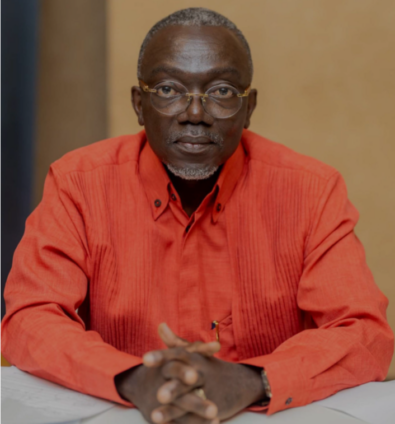
About Ing. Professor Douglas Boateng
Ing. Professor Douglas Boateng is a pioneering international industrial, manufacturing, and production systems engineer, governance strategist, and Pan-African thought leader whose work continues to shape boardroom thinking, supply chain transformation, and industrialisation across both the continent and globally. As Africa’s first appointed Professor Extraordinaire in Supply Chain Management, he has consistently championed the integration of procurement, value chain, industrialisation strategy, and governance into national and continental development agendas, aligning practice with purpose and long-term impact. An International Chartered Director and Chartered Engineer, he has received numerous lifetime achievement awards and authored several authoritative books. He is also the scribe of the globally acclaimed and widely followed daily NyansaKasa (Words of Wisdom), which continues to inspire reflection, accountability, and purposeful living among audiences worldwide. His work is driven by a simple yet powerful belief: Africa’s transformation will not come from rhetoric but from deliberate action, strong institutions, and leaders willing to build for future generations.
By Ing. Professor Douglas Boateng
Chartered Director UK • Chartered Engineer UK • Fellow Institute of Directors UK • Fellow Ghana Institution of Engineering
Latest Stories
-
Foreign Affairs Ministry requests special audit of evacuation spending since 2017 to date
24 minutes -
Livestream: Newsfile discusses Ghana Jollof case, cocaine shipment, COVID audit, constitutional reforms
45 minutes -
SA Evacuation Exercise: Detailed breakdown of the GH¢27.18m spent on chartered flights
56 minutes -
Foreign Affairs Ministry submits 200-page report to Minority on GH¢49.7m South Africa evacuation
1 hour -
US and Denmark reach deal over Greenland after Trump annexation threats
1 hour -
Ghanaian nurses set for US opportunities as GEA brokers Columbus partnership
1 hour -
Time to list Uncle Ebo Whyte in Guinness Book
2 hours -
Mahama orders review of SHS menu as Education Minister assures students of adequate food
4 hours -
Trump says he is banning CNN and Politico from White House
4 hours -
Government reviews GH¢25,000 citizenship fee after diaspora concerns
4 hours -
Leadership Skills and Public Policy Priorities for Inclusive and Resilient Africa: An integrated Ubuntu perspective
4 hours -
Daily Insight for CEOs: Employee engagement as a leadership responsibility
5 hours -
Publicly funded, privately controlled! The multi-million-cedi Astroturf Exposé
5 hours -
NCD burden rising as Ghana struggles with prevention, awareness and long-term care – Health Expert
6 hours -
Patient safety must extend across entire NCD care journey – FOCOS Hospital’s orthopaedics chief
7 hours