

Audio By Carbonatix
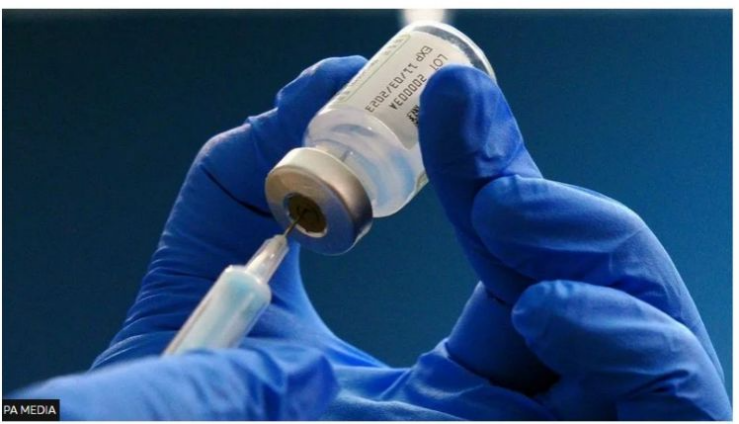
Many Ghanaians have welcomed plans by government to establish local vaccine manufacturing as part of efforts to strengthen the country’s health security, improve access to life-saving vaccines, and reduce dependence on imports.
The initiative, being championed through the National Vaccine Institute, seeks to advance Ghana’s goal of achieving vaccine sovereignty while ensuring a reliable supply of vaccines for citizens.
Speaking to Adom News, several respondents described the move as a major milestone for Ghana’s healthcare and industrial sectors.
“For years, we have depended on imported vaccines and medicines. If Ghana can produce its own vaccines, it will be a big achievement for the country,” one respondent said.
Others noted that local vaccine production could help improve access to vaccines and reduce the country’s vulnerability during global health emergencies.
Although some respondents admitted they were not fully aware of the progress being made towards local vaccine manufacturing, they applauded the initiative and urged government to fast-track its implementation.
“We have good scientists, doctors and health professionals in Ghana. If they are given the needed support, I believe they can produce quality vaccines for us,” another participant stated.
Many respondents also expressed confidence in locally manufactured vaccines, provided regulatory institutions such as the Food and Drugs Authority maintain strict quality and safety standards.
“I trust that the FDA will do its work to ensure that any vaccine produced in Ghana is safe and effective before it reaches the public as they do with other products; we should trust them,” a respondent noted.
Some participants observed that many Ghanaians often place greater confidence in imported medicines than locally produced ones. However, they believe the local vaccine manufacturing agenda presents an opportunity to change that perception.
“We always think foreign products are better, but if our own experts produce vaccines that meet international standards, we should support and trust them,” another respondent said.
The respondents further called for sustained public education and awareness campaigns to address misconceptions about vaccines and encourage public confidence as Ghana moves closer to local vaccine production.
They believe successful local vaccine manufacturing will not only strengthen Ghana’s health system but also position the country as a key player in pharmaceutical production within the West African sub-region.
Latest Stories
-
The world’s oldest president left for a ‘brief stay’ in Europe. He hasn’t returned in two months
9 minutes -
Parliamentary committee commends GIPA’s investment drive, backs key reforms
14 minutes -
Livestream: Newsfile discusses AKSA energy deal, legal vacation and GoldBod losses
35 minutes -
Jason Arday: 10 things you may not know about British-born Ghanaian former Cambridge professor found dead at 41
3 hours -
KNUST partners with government to manufacture locally-made agricultural machines and smart traffic lights
3 hours -
Government to add constitutional referendum to 2027 District Assembly elections
4 hours -
Ambassador Nancy Sam meets South Africa’s Thanda to strengthen Africa tourism collaboration
4 hours -
Government disburses GH¢23.1 billion to clear road contractors’ arrears – Roads Minister
5 hours -
NPP Ashanti elections: 1,020 delegates to choose 11 regional executives
5 hours -
Galamsey: ‘Challenge is prosecution, not arrest’ — Lands Minister
6 hours -
Elliot Kabutey Tei outlines strategic blueprint to drive NPP victory in Tema East
7 hours -
MTN to build 80 new sites across the five regions of the north as part of a $1.1bn investment
7 hours -
The Polygamist’s creator says women see themselves reflected in her Netflix hit
8 hours -
UEW Hospital suspends OPD services over GAUA strike
9 hours -
Muzic Mensah selected for Boomplay’s inaugural ‘NEXT WAVE’ Programme
9 hours