

Audio By Carbonatix
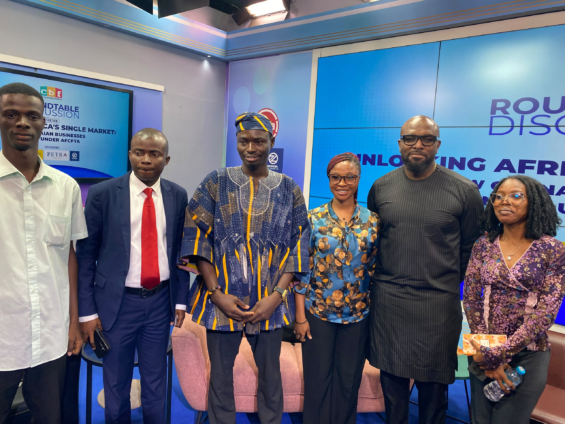
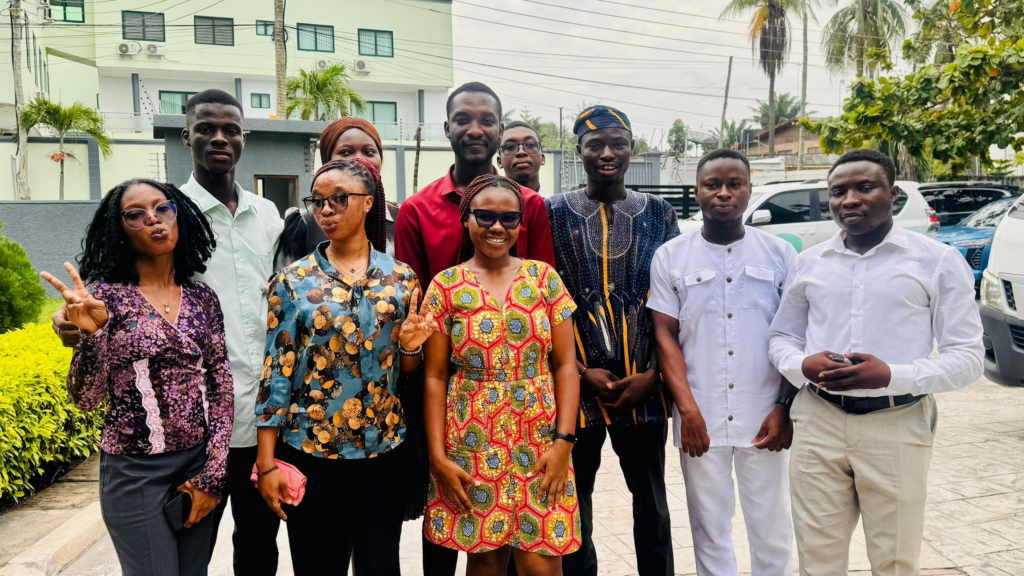
Journalism students at the University of Media, Arts and Communication (UniMAC) took part in a televised discussion on how Ghana can maximise the benefits of the African Continental Free Trade Area (AfCFTA).
The students, most of whom were in their second year, joined the live audience on Channel One TV on Thursday, June 11, and were subsequently invited to pose questions and make contributions.
The five-member panel shared their views on the opportunities and challenges associated with the AfCFTA.
They included Acting National AfCFTA Coordinator Benjamin Asiam; Chief Export Development Officer at the 24-Hour Economy Authority, Gabriel Opoku Asare; Africa development expert Dr. Fareed Arthur; Chief Executive Officer of the Ghana Chamber of Commerce and Industry, Mark Badu Aboagye; and Head of Trade and Working Capital at ABSA Bank, Emmanuel Mensah.
During the discussion, the CEO of the Ghana Chamber of Commerce and Industry, Mark Badu Aboagye, drew attention to the high cost of power for manufacturing companies, noting that it was difficult for such firms to compete with businesses elsewhere.
"As I speak to you today, the cost of power in Ghana for a manufacturing company is from 18 to 23 cents per kilowatt hour, but for sustainability and competitiveness, you need less than 5 cents per kilowatt hour," he explained. "In fact, that is what the Chinese are doing, so when you want to compete with them, you're competing on an unequal footing."
He added that although banks often maintained that funds were available for businesses, the cost of accessing those funds remained too high for many enterprises.
Africa Development expert Dr. Fareed Arthur agreed that banks needed to do more to support cross-border businesses. He observed that part of the challenge facing intra-African trade was that "banks do not want to take risks."
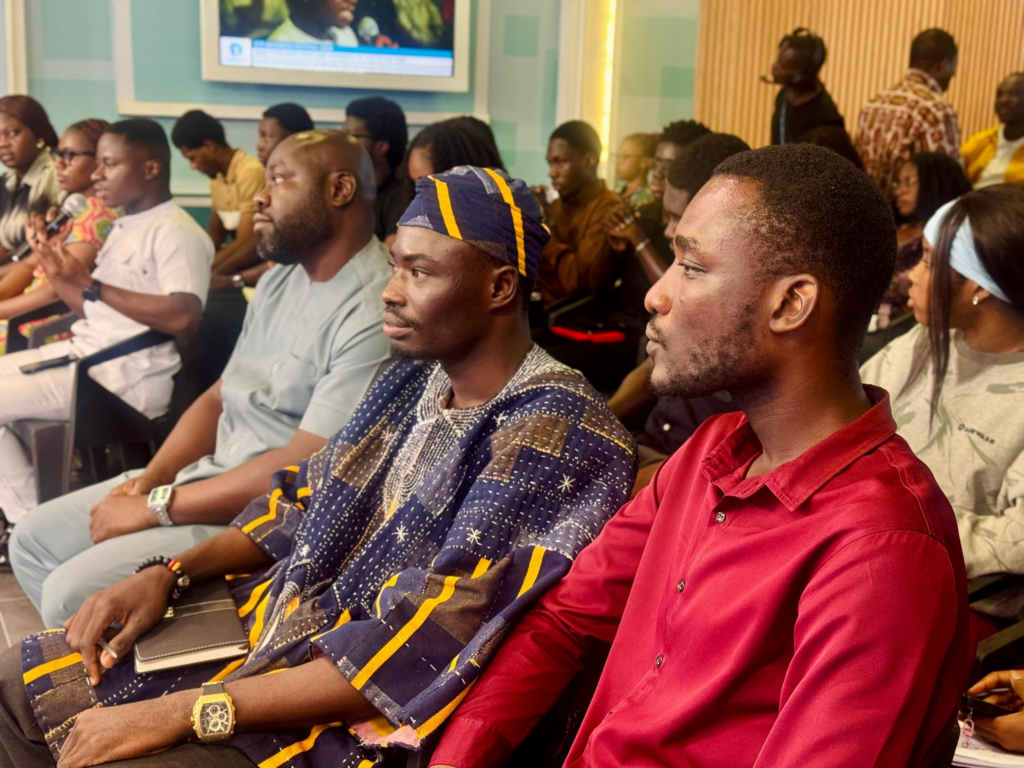
Speaking on the effectiveness of the AfCFTA, Acting National AfCFTA Coordinator Benjamin Asiam reminded the audience that the agreement was still in its early stages and that many of the negotiations would continue to evolve as businesses expanded across the continent.
On the government's part, Mr. Asiam revealed that authorities had, over the last few years, sponsored trade and market expedition trips to several African countries to help businesses integrate into new markets.
"Ghana continued market expeditions into the East African market, and so we fielded more than 53 SMEs to Kenya to participate in the market expedition," Mr. Asiam, who also serves in the Ministry of Trade, remarked.
Following the discussion, Adelaide Ofori, a Level 200 student, asked Gabriel Opoku Asare, Chief Export Development Officer at the 24-Hour Economy Authority, which sectors the government had prioritised under its flagship 24-Hour Economy programme.
In response, he stated that agribusiness and the power sector were among the key areas receiving attention from the authority.
He expressed confidence that the 24-Hour Economy Authority would outlast the current Mahama administration because of its anticipated contribution to Ghana's economic growth.
Following the programme, students who attended the event said they had gained valuable insights from the discussion and left with a deeper understanding of the issues raised.
One of the participants, Doreen Yegbe, described the session as enlightening, saying she was particularly impressed that the conversation focused on implementation rather than merely discussing policy.
Her fellow student, Virgilius Goka, described the discussion as "enriching" and said the panellists had spoken "candidly" about what the AfCFTA actually meant for businesses across Africa.
Hafiz Larry and Comfort Fosu, both journalism students, said they had learned about opportunities available to young people under the free trade agreement.

The AfCFTA is a landmark agreement that establishes the world's largest free trade area by bringing together all 55 member states of the African Union.
It creates a single market of 1.4 billion people with a combined GDP of more than $3 trillion and is designed to boost intra-African trade and enhance the continent's global competitiveness.
Among its core objectives is the progressive removal of tariffs on 90 percent of goods and services to create a highly liberalised African market.
Discussions such as Channel One TV's programme are intended to help local businesses better understand the opportunities and practical workings of the AfCFTA.
Latest Stories
-
NPP Sweden Chair declares bid for national first vice chairman position
24 minutes -
NRSA warns motorists and pedestrians of increased road hazards amid heavy rainfall
27 minutes -
One dead and at least 10 others wounded in Texas shooting
28 minutes -
Storm chaser digs man out of rubble after tornadoes rip through US Midwest
32 minutes -
Mother finds body of missing son two days after Kenya’s Ebola quarantine centre protests
32 minutes -
IShowSpeed called Ghana home. Now the world is watching. Here is how to own a piece of it
56 minutes -
SpaceX IPO makes Elon Musk the world’s first trillionaire
1 hour -
Assin Adubiase Methodist Basic School marks 120 years of educational excellence
1 hour -
Beyond the Return: How the diaspora homecoming movement is reshaping who owns Accra’s prime real estate
1 hour -
Thomas Partey denied entry to Canada, unable to play Ghana’s World Cup opener
1 hour -
Thomas Partey denied entry to Canada, unable to play Ghana’s World Cup opener
1 hour -
Nii Lante Vanderpuye resigns as DRIP National Coordinator
1 hour -
From Ghanaian passport to Ghanaian Property: Why African Americans are betting on Ghana’s real estate boom
1 hour -
Francis Adoba Arhin aka Master Arhin
2 hours -
Death by neglect: Why building collapses continue to haunt Ghana
2 hours