

Audio By Carbonatix
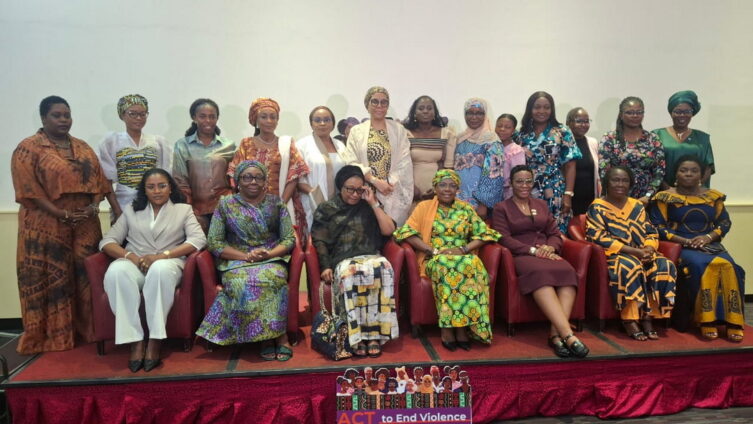
Present and former female parliamentarians, ministers responsible for gender, former ministers of state, civil society leaders and regional stakeholders from across West Africa have issued a declaration calling for violence against women and girls (VAWG) to be treated as a legislative emergency, warning that persistent abuse continues to undermine democracy, development and human rights across the sub-region.
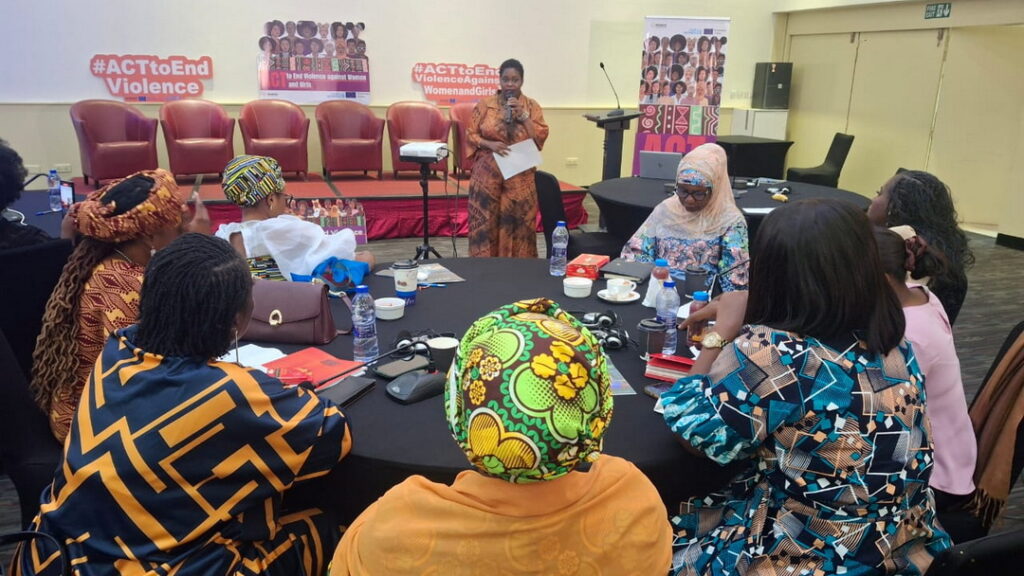
Meeting in Accra under the auspices of the Women in Politics Forum (WIPF) during the West Africa Female Parliamentarians Peer Review Conference on Ending Violence Against Women and Girls, the participants adopted what they described as the Accra Declaration on Ending VAWG, committing themselves to spearheading sweeping legislative and policy reforms aimed at protecting women and girls.
The declaration comes amid growing concerns over rising cases of gender-based violence, harmful cultural practices, political harassment of women and weak implementation of laws intended to safeguard victims and survivors across the ECOWAS region.
The leaders acknowledged that although many West African countries have enacted progressive laws to combat gender-based violence, implementation remains weak because of inadequate enforcement, insufficient funding and deeply entrenched social norms that continue to normalise abuse and discrimination.
They argued that these shortcomings have prevented many women and girls from enjoying the protection guaranteed under existing legislation.
To reverse the trend, the participants called for stronger parliamentary oversight, increased budgetary allocations for survivor support services and greater harmonisation of laws across the ECOWAS region to ensure consistent standards of protection.
Central to the declaration is a commitment by female parliamentarians to champion survivor-centred legislation that reflects the realities faced by victims, while ensuring governments are held accountable for implementing existing laws through annual progress reports.
The declaration also commits the leaders to advocate for sustainable national financing to support shelters, justice systems and services for survivors, while building bipartisan parliamentary coalitions that recognise violence against women and girls as a national issue rather than a partisan one.
Recognising that legislation alone cannot eliminate gender-based violence, the participants pledged to strengthen collaboration with civil society organisations, whose expertise and grassroots engagement they described as essential to driving lasting change.
They also stressed the need to actively engage men and boys as partners in challenging harmful gender norms and transforming destructive notions of masculinity that fuel violence.
The declaration places particular emphasis on protecting women participating in politics, calling for political violence and harassment against women to be criminalised as part of wider efforts to remove barriers preventing women from taking leadership roles.
Among the major regional proposals adopted is a call for the establishment of a Ministerial Summit on Violence Against Women and Girls, which would publish annual reports tracking legislative progress across ECOWAS member states through a regional scorecard.
Participants also agreed to establish a West African Female Parliamentarian Solidarity Movement (WAPSM) to strengthen collaboration and sustain advocacy across borders.
Beyond the declaration itself, the conference adopted a comprehensive action plan requiring national governments to fast-track survivor-centred legislation, operationalise support funds for victims, institutionalise gender-responsive budgeting and encourage strategic engagement with male legislators as allies in the fight against gender-based violence.
At the regional level, participants urged ECOWAS to adopt a Supplementary Protocol on Violence Against Women and Girls that would harmonise legal protections across member states.
They also committed to issuing joint quarterly reports and media statements to sustain public attention on the issue and strengthen accountability.
Civil society organisations were encouraged to deepen referral systems, expand survivor services and reinforce advocacy coalitions, while annual shadow reports and scorecards would monitor governments' performance.
The delegates declared that ending violence against women and girls is "not optional" but a legislative and development imperative requiring urgent and sustained political commitment.
They said the Accra Declaration represents a landmark regional pledge to build a West Africa where women and girls can live free from violence and participate fully in democratic governance, peacebuilding and economic development.
The communiqué was endorsed by participants from Ghana, Liberia, Nigeria, Senegal and Sierra Leone, including current and former female parliamentarians and senior public officials, underscoring a united regional resolve to confront one of West Africa's most pressing human rights challenges.
Latest Stories
-
GNFS contains fire outbreak at Teshie Lekma Road near Lekma Hospital
4 hours -
Samia Nkrumah rejects the narrative that Ghanaians were happy after Nkrumah’s overthrow
5 hours -
A Mother’s pain: Tribute by Ivan Baidoo’s mother
5 hours -
‘Forgive us for staying away’ — Samia Nkrumah leads family back to Nkroful, pledges to preserve Nkrumah’s legacy
6 hours -
Ernest Nuamah scores twice as Lyon beat Rennes
6 hours -
‘My dear Ivan’ – A father’s tribute to a son tragically killed
6 hours -
GNPC Explorco advances Voltaian Basin drilling preparations with 13.5km access road
6 hours -
Cabinet approves facility manager for Borteyman Sports Complex – Kofi Adams
7 hours -
Sanitation is improving; critics may be ‘living in another world’ – Salaga South MP replies Bekwai MP
7 hours -
Government must do more to tackle sanitation crisis – Bekwai MP
7 hours -
World Cleanup Day: GFF begins sanitation education in local communities
7 hours -
EU Ambassador, IGP discuss stronger cooperation on policing and security
7 hours -
Africa Nations Volleyball Championship: Ghana set up quarterfinal clash with Cameroon after beating Chad
7 hours -
Meet Dr Benjamin Appiah Osei — Ghana’s three-time tourism awards winner
8 hours -
UEFA & CONCACAF demand Fifa pays $10m to all 211 members
8 hours