

Audio By Carbonatix
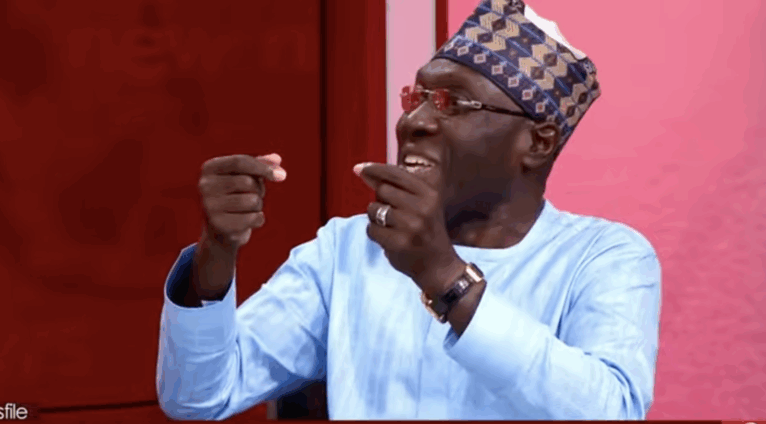
Former Tamale Central Member of Parliament, Inusah Fuseini, has criticised the proposal to increase the size of Ghana's Parliament to 300 members.
He argued that the move would place an unnecessary financial burden on the country without resolving existing challenges in legislative representation.
The proposal, contained in the government's White Paper on the Constitutional Review Committee's recommendations, seeks to place a constitutional ceiling on the number of Members of Parliament, with the House not expected to exceed 300 seats.
Mr Fuseini believes the priority should be to review and realign existing constituencies rather than create additional parliamentary seats. According to him, the current constituency structure has resulted in imbalances in representation, particularly in some rural communities, and should be addressed before considering any expansion.
He suggested that after constituency boundaries have been reviewed, any remaining seats could be allocated through a proportional representation system to broaden participation in Parliament.
He argued that such an approach would allow women, young people, persons with disabilities and other underrepresented groups to gain representation without significantly increasing the number of elected MPs.
Speaking on Citi FM on Monday, August 3, Mr Fuseini said Parliament should instead be capped at 275 members, explaining that after constituency realignment, the remaining seats could be filled through proportional representation.
"Probably say, well, we'll cap Parliament at 275. When we realign and reach 250, the 25 will be brought in through proportional representation. That was the thinking."
He also questioned the practicality of a 300-member Parliament, noting that the current parliamentary chamber is already struggling to accommodate lawmakers.
"But 300, it's too high. The Chamber of Parliament cannot contain 300 people. Even currently, they sit way back by the wall. So imagine if we add, then we have to build a new chamber, which is another fight."
The proposal to cap Parliament at 300 forms part of broader constitutional reform efforts aimed at strengthening democratic governance and improving representation.
However, Mr Fuseini maintains that any reforms should prioritise efficiency, inclusiveness and prudent use of public resources rather than simply increasing the number of legislators.
Latest Stories
-
Beyond politics: Why Kwame Nkrumah’s ideals still matter for today’s leaders
32 minutes -
More than 170,000 respiratory cases recorded in haze-choked Indonesia
52 minutes -
Narrowed space, intolerance – Sammy Crabbe says NPP is driving talented members away
1 hour -
We’re not analytical enough – Sammy Crabbe calls for data-driven decision-making
1 hour -
Tonto Dikeh celebrates Bobrisky as birthday tribute sparks online reactions
1 hour -
Peter Okoye tells court he received over $800,000 in P-Square royalties
2 hours -
I’ve never had problems with artistes – Rema addresses alleged fight with Davido
2 hours -
I was mocked for getting pregnant out of wedlock as pastor’s daughter – Davido’s baby mama
2 hours -
Young John rejects collaboration request from Blaqbonez over old tweet
2 hours -
Trump administration to admit primarily Afrikaners under new refugee proposal
2 hours -
They should have Ghana first – Ntim Fordjour warns MPs against politicising drug crisis
2 hours -
We got more than 15% – Ntim Fordjour confirms support for Parliament recall over cocaine scandal
3 hours -
Wherever there is money laundering, it is linked to terrorism – Ntim Fordjour warns over drug crisis
3 hours -
Parliament Recall: Ntim Fordjour expects emergency sitting over drug-trafficking crisis
3 hours -
Oil falls on increased Gulf supply and hopes for US-Iran talks
4 hours