

Audio By Carbonatix
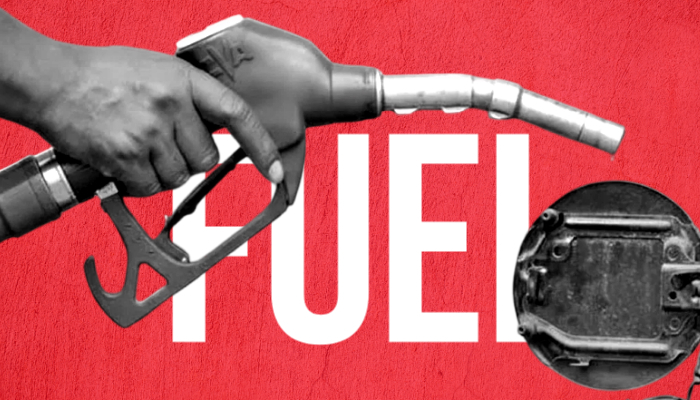
Petrol and diesel prices in Ghana have risen by more than 33% since the start of the year, according to industry data tracked by JoyNews Research, piling pressure on households and businesses still recovering from the country's worst economic crisis in a generation.
The National Petroleum Authority raised its benchmark price floor for petrol to GH¢14.53 per litre and diesel to GH¢16.97 per litre for the first pricing window of August, increases of 9.4% and 18.3% respectively.
Oil Marketing Companies responded with prices way above the floor with average price of petrol and diesel selling GH¢15.98 and GH¢17.30 respectively.
The government has responded with temporary relief. President John Mahama directed a GH¢2.00 per litre reduction in the regulatory margin on diesel in early August, a one-month measure approved by Cabinet.
Authorities had earlier cut industry margins to soften an earlier crude spike. But such steps come at a cost to revenue. Ghana fully deregulated petroleum pricing in 2015, meaning international price shocks reach consumers faster than in neighbouring countries that still subsidise fuel.
Despite the reliefs coming through, prices have remained elevated with concerns that the persistent increases could feed into inflation. The Ghana Private Road Transport Union have been pushing for a 30% fare increase before suspending it after the government's diesel relief. The union said it would monitor the next two pricing windows in August before deciding whether to proceed, warning that a further rise in fuel prices could force it to revisit the hike.
Inflation eased to 4.6% in July, its first slowdown since March, but the Bank of Ghana has flagged elevated crude prices and Middle East tensions as key upside risks to the outlook. With the cedi still under pressure and crude prices volatile, analysts say the relief may prove short-lived.
Two main forces have driven the surge. The cedi has weakened by more than 10% against the U.S. dollar since the start of the year. Because Ghana imports refined petroleum products priced in dollars, a weaker currency feeds almost directly into pump prices.
The pressure has persisted despite the central bank injecting billions of dollars into the foreign exchange market, as businesses continue to seek dollars faster than the market can supply.
The second driver is the Middle East crisis. A month-long conflict pushed Brent crude sharply higher earlier in the year, and prices have remained elevated amid tensions around the Strait of Hormuz, a chokepoint for global oil shipments.
Latest Stories
-
GNFS contains Somoco warehouse fire; bushfire near TTU in Takoradi
28 seconds -
Recurring teacher-student sexual abuse cases give cause for worry – Salaga South MP
4 minutes -
D-Black shocked as only 16 radio and TV stations pay music royalties
9 minutes -
Former SIC Savings and Loans MD Amma Frimpomaa Dwumah honours EOCO invitation
22 minutes -
Meta removes 3.7 million accounts in international fraud crackdown linked to UK, US victims
24 minutes -
Gold Stars CEO Kwasi Adu sanctioned by GFA over misconduct
35 minutes -
AFCON 2027Q: ‘We should assemble the best squad’ – George Afriyie speaks on Black Stars’ team
43 minutes -
Public money belongs to the people, not government officials – Ato Forson
51 minutes -
Power, politics and the battle for electoral credibility: Is Ghana’s electoral commission truly independent?
54 minutes -
Sports Fund Administrator urges boxing fraternity to pursue partnerships beyond government funding
56 minutes -
Total number of jobs advertised increased 32% year-on-year to 3,578 in 7 months of 2026
1 hour -
KNUST to receive 2,000 additional laptops for One Million Coders Programme
1 hour -
President Mahama urges churches to provide safe spaces for children and vulnerable people
1 hour -
George Dadzie Junior highly tipped in NDC regional secretary race due to grassroots experience
2 hours -
Passenger arrivals at airport improved by 23% in first 7 months of 2026
2 hours