

Audio By Carbonatix
Ghana could face a major public health crisis within the next five years if urgent action is not taken to halt the environmental and health consequences of illegal mining, medical and public health experts have warned.
They say the effects of galamsey extend beyond polluted water bodies and destroyed farmlands, with prolonged exposure to toxic chemicals potentially contributing to cancers, kidney disease, developmental disorders and other serious health conditions.
Speaking at the 10th edition of the Loud and Green X Space on the theme “Galamsey: The Health and Livelihood Crisis,” Medical Doctor and Public Health Researcher, Floret Maame Owusu, warned that the health consequences could take years to fully emerge.
She said chemicals released through illegal mining could cause mutations that may eventually result in cancer.
“From my perspective as a medical doctor, the thing about galamsey is that these chemicals that are released from galamsey result in a lot of mutations which eventually lead to cancers.”
Children at risk
Dr Owusu expressed particular concern about the impact of toxic chemical exposure on pregnant women and children.
She said pregnant women exposed to pollutants from illegal mining could give birth to children with developmental problems.
“For pregnant women who are exposed to these chemicals, they end up having children who have some developmental issues.”
She warned that continued exposure could create a serious health burden in mining communities.
“In the next five years, if we do not deal with this, we’ll have a generation of children who will be born with a lot of developmental issues in areas where these galamseys are being operated.”
According to Dr Owusu, the danger is compounded by the fact that some effects of exposure to toxic substances may not become immediately apparent.
She identified mercury, cyanide, lead and arsenic among the substances of concern associated with illegal mining, noting that even relatively small exposures to some of these chemicals can have serious health consequences.
“The reason being that even very small amounts result in significant health crisis.”
Health system could come under pressure
Dr Owusu said the long-term consequences could place additional pressure on Ghana's healthcare system, particularly in communities where residents may lack the financial resources to access specialised treatment.
PhD Lecturer and Researcher, Forgive Awo Norvivor, also questioned whether the country was adequately prepared for the potential health consequences of continued environmental degradation.
She suggested that some of the impacts could emerge sooner than five years.
“So we are not even looking at five years. We are looking at less. And are we even ready?”
Dr Norvivor said rural communities could be particularly vulnerable because of their reliance on surface and groundwater sources.
“Because as we speak, about 60 percent of rural populations still do not have access to clean water.”
Call for urgent action
The experts therefore urged government and other stakeholders to treat illegal mining as an immediate public health concern rather than waiting for the full effects of prolonged exposure to emerge.
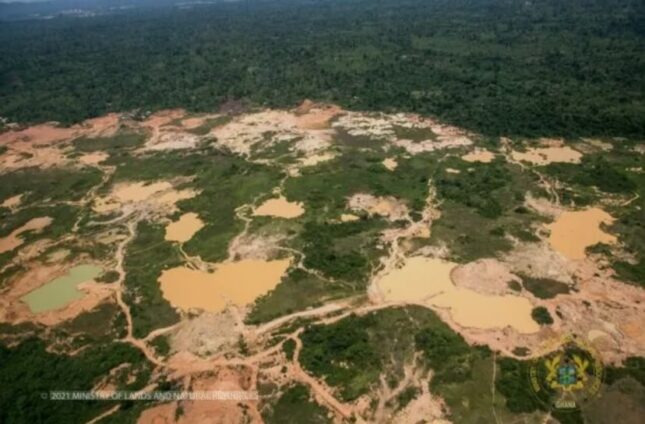
Their concerns come amid growing calls for stronger action against galamsey, which has been blamed for widespread environmental degradation, including the pollution of rivers and other water sources.
The experts warned that addressing the crisis must therefore go beyond protecting the environment and include measures to prevent, monitor and respond to the potential health consequences for affected communities.
Latest Stories
-
Russian Foreign Minister Lavrov praises Kwame Nkrumah’s legacy during meeting with Ablakwa
51 seconds -
Bleoo 2G alumni hand over Beatrice Lokko Memorial Eco Park
3 minutes -
‘I will not be available’ – Godfred Dame rejects vacation hearing in Hanan trial
5 minutes -
27-year-old spiritualist arrested over alleged attempt to use 11-year-old girl for ritual
18 minutes -
Galamsey could trigger major health crisis within five years — Medical experts warn
31 minutes -
Defending champions SUSEC, Twene Amanfo SHTS secure Bono Zone 2 spots in 2026 NPSC
43 minutes -
ICU-Ghana General Secretary Morgan Ayawine named Africa’s Most Respected CEO in Labour Leadership
45 minutes -
GTEC orders university administrators back to work, gives VCs 48 hours to name defiers
53 minutes -
Chief arrested for allegedly engaging in illegal mining in Tano North
56 minutes -
Fighting fires, fighting for breath: The hidden health toll on Ghana’s firefighters – and the support that still falls short
1 hour -
Presbyterian Church of Ghana clarifies role of Christians in stool/skin offices
1 hour -
‘There is no emergency’ – Godfred Dame criticises vacation hearing in Hanan case
1 hour -
Eco SIM and sustainability, making mobile technology greener
1 hour -
Daily Insight for CEOs: Building a future-ready organization
1 hour -
The Hunger Project-Ghana commissions ICT Centre at Domi Achiansa Epicenter to bridge digital divide.
1 hour