

Audio By Carbonatix
A staggering 70% of teachers in Ghana are dissatisfied with their jobs, according to data collected by the Campaign Against Privatisation and Commercialisation of Education (CAPCOE), with the few satisfied educators concentrated almost entirely at the top of the career ladder.
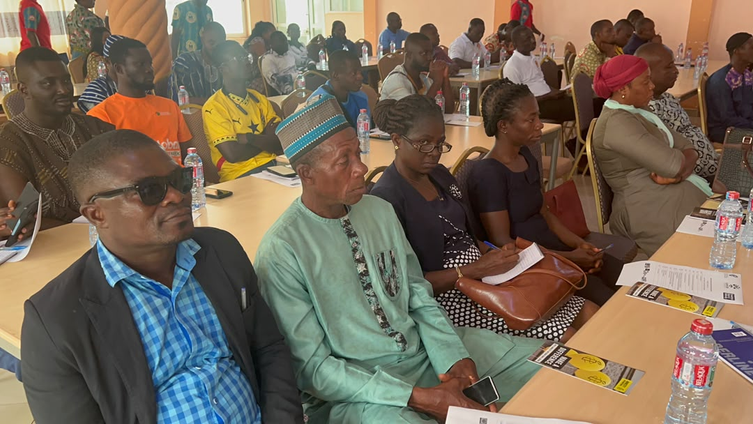
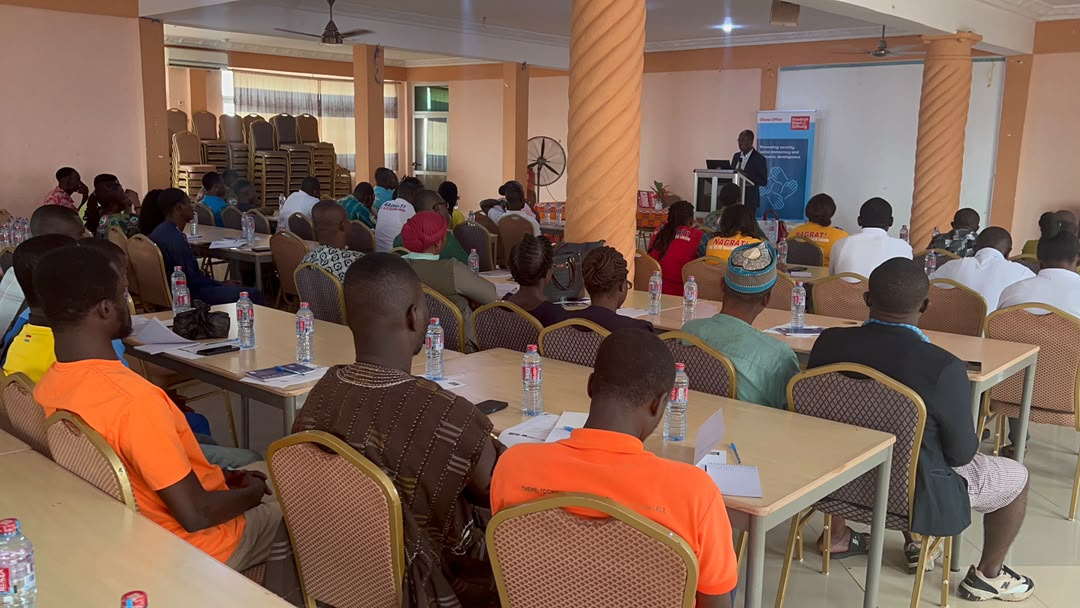
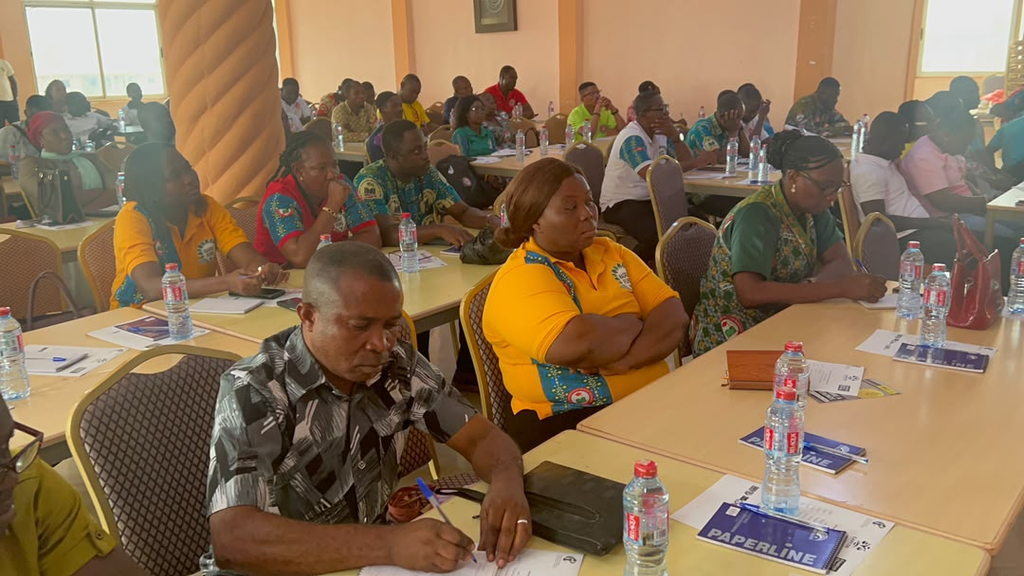
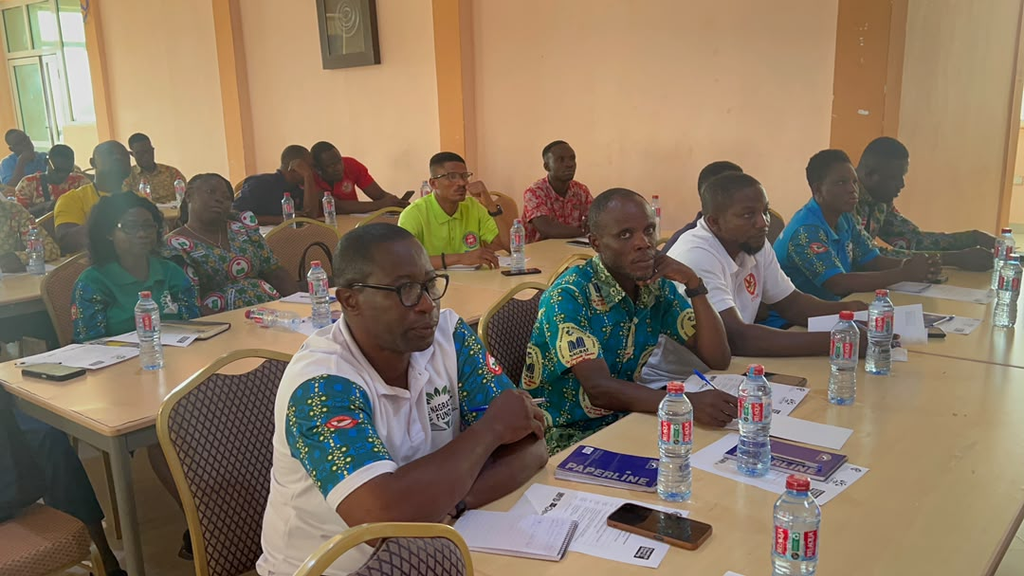
The alarming statistic was revealed at a regional training workshop held at Akina Hotel in Techiman, where CAPCOE, in partnership with Education International and various teacher unions, gathered union leaders, members, and education stakeholders to strategise against the growing threat of privatisation in Ghana's education sector.
The Data Behind the Discontent
According to CAPCOE's research, only 30% of teachers report satisfaction with their jobs. Perhaps more troubling is the demographic breakdown of that minority — it is primarily educators in senior and administrative positions who express contentment, while classroom teachers on the frontlines remain deeply disillusioned.
Richard Quarshie Kove, Convener of CAPCOE, presented the findings and linked the morale crisis directly to the government's failure to adequately invest in public education.
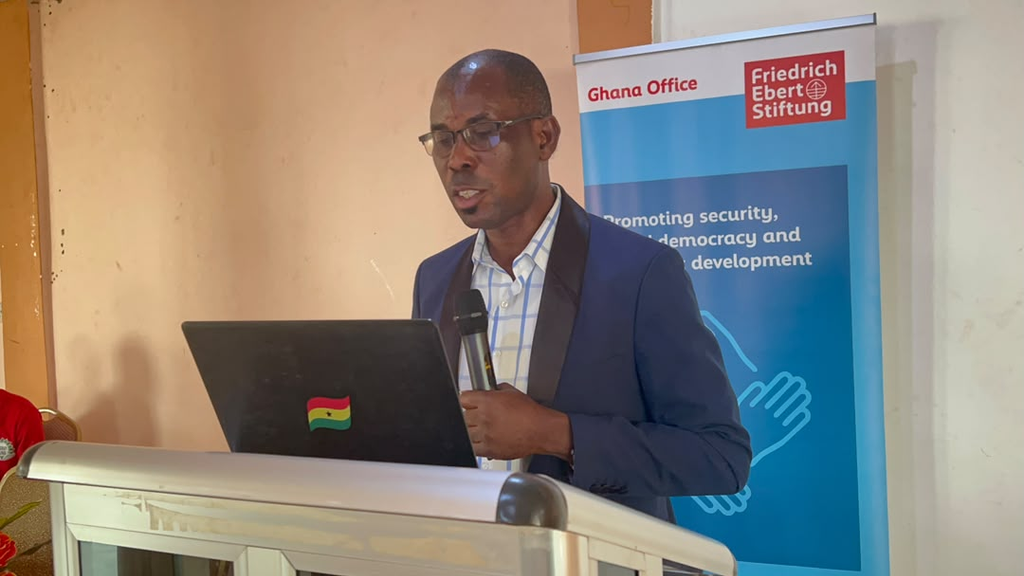
"Job satisfaction is low. Only 30% of teachers are satisfied with their job, and mostly those at the top level are within this class. The teachers doing the actual work, the ones in our classrooms every day they are suffering."
— Richard Quarshie Kove, Convener, CAPCOE
Kove argued that this dissatisfaction is not merely a human resources issue but a symptom of a broader systemic problem: the government's under-investment in education has created a vacuum that private, profit-driven entities have rushed to fill.
Privatisation: A Threat to the Poor
Speaking at the workshop, Kove did not mince words about the campaign's target.
"The campaign seeks to do away with these private schools owned by some multinationals that exploit the poor in society. All this is happening because the government is not investing well in the education sector."
He called on the government to prioritise investment in public education, making it accessible to all Ghanaian children regardless of their family's economic standing.
The CAPCOE convener's concerns echo a growing global debate about the creeping commercialisation of education, where profit motives increasingly overshadow the fundamental right to learning.
Equipping Stakeholders for the Fight
The Techiman workshop was not merely a forum for highlighting problems — it was a capacity-building exercise designed to arm participants with practical skills.
Union leaders and stakeholders were taken through sessions on:
· Research and advocacy — understanding how to gather and use data effectively
· Proposal writing — developing compelling funding proposals for local education initiatives
· Policy briefs — crafting evidence-based documents on local issues affecting education
The aim is to empower communities to source their own funding and advocate for change from the ground up, rather than waiting solely on government intervention.
Union Leaders Welcome the Initiative
The Brong Ahafo Regional Chairman of the National Association of Graduate Teachers (NAGRAT), Sulemana Nyisina, described the training as timely and invaluable.
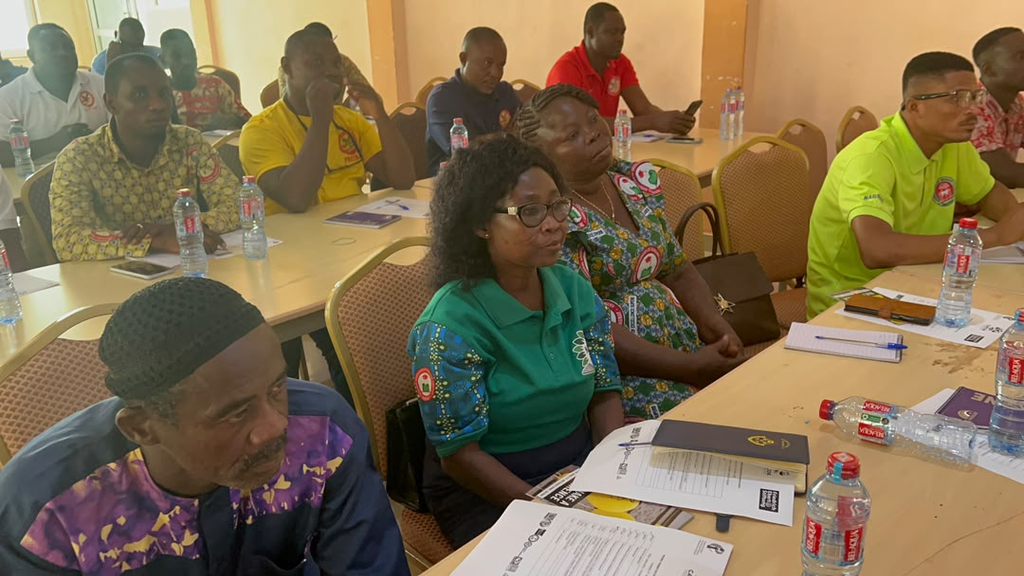
"This move has been very helpful to the participants. It has equipped us with knowledge we can use to better advocate for our members and for quality public education in our communities," he said.
What the 30% Figure Really Means
Education analysts say the 30% satisfaction rate should serve as a wake-up call for policymakers.
When teachers are dissatisfied, the consequences ripple far beyond individual careers:
The fact that satisfaction is concentrated among senior-level educators suggests that those with the most direct contact with students — classroom teachers — feel the most neglected.
A Call to Action
CAPCOE's message is clear: without urgent government investment in public education, the dual crises of teacher dissatisfaction and privatisation will only deepen.
The campaign, supported by Education International and teacher unions across the country, is calling on the government to:
- Increase funding for public education infrastructure and resources
- Improve teacher remuneration and working conditions
- Regulate private education providers to prevent exploitation
- Make quality public education accessible to every Ghanaian child
Looking Ahead
As CAPCOE continues its regional outreach, the 30% statistic will remain a central talking point — a stark numerical reminder that those tasked with shaping Ghana's future are themselves struggling to find hope in their own profession.
The workshop in Techiman may have ended, but the campaign is far from over. For the 70% of dissatisfied teachers across the nation, the fight for a better education system is not just about policy — it is about their daily reality and the future of the children they teach.
Latest Stories
-
Glut! Farmers count losses as prices crash, customers happy
11 minutes -
GSA postpones auction of unserviceable vehicles
14 minutes -
Man charged with attempted murder after stabbing
17 minutes -
World Cup visa scandal: Senyo Hosi says issue goes beyond calls for Sports Minister’s resignation
19 minutes -
Yaw Ampofo Ankrah hasn’t taken or received any money to facilitate visas – Lawyer insists
37 minutes -
World Cup visa scandal: Senyo Hosi urges focus on constitutional accountability
37 minutes -
La Beach demolition: Senyo Hosi condemns lack of consultation
48 minutes -
Russian glide bomb attack on Zaporizhzhia kills at least 15 people
1 hour -
Jinapor warns underperforming energy sector CEOs of consequences, says no protection for failure
1 hour -
Fire destroys head of tipper truck on Lower Volta Bridge
1 hour -
Palmer signs new Chelsea contract until 2034
1 hour -
World Cup visa scandal: Mahama will act on corruption allegations – Abass Nurudeen
1 hour -
Abass Nurudeen accuses Minority of ‘scandal scavenging’ over World Cup visa controversy
1 hour -
US Embassy recognised NSA, GFA and GTA as separate entities for visa applications – Sports Minister’s aide
1 hour -
Only 30% of Ghanaian teachers satisfied with their jobs – CAPCOE data reveals
2 hours