

Audio By Carbonatix
The Chief of Staff has urged the Public Utilities Regulatory Commission (PURC) to actively engage all stakeholders before announcing new utility tariffs.
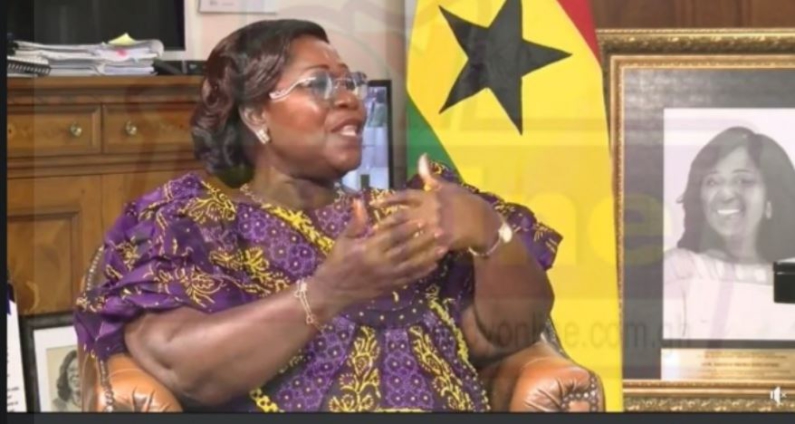
Madam Frema Osei-Opare said the Commission must consider the public’s interest in its dealings.
She, thus, called on all stakeholders to speak out to ensure their voices are heard in the conversation.
“It is my fervent hope that all stakeholders will engage actively in this review process and make their voices heard so that the final outcome will benefit the generality of all stakeholders,” she said.
Frema Osei-Opare made this statement at the inauguration of an office complex for PURC in Koforidua.
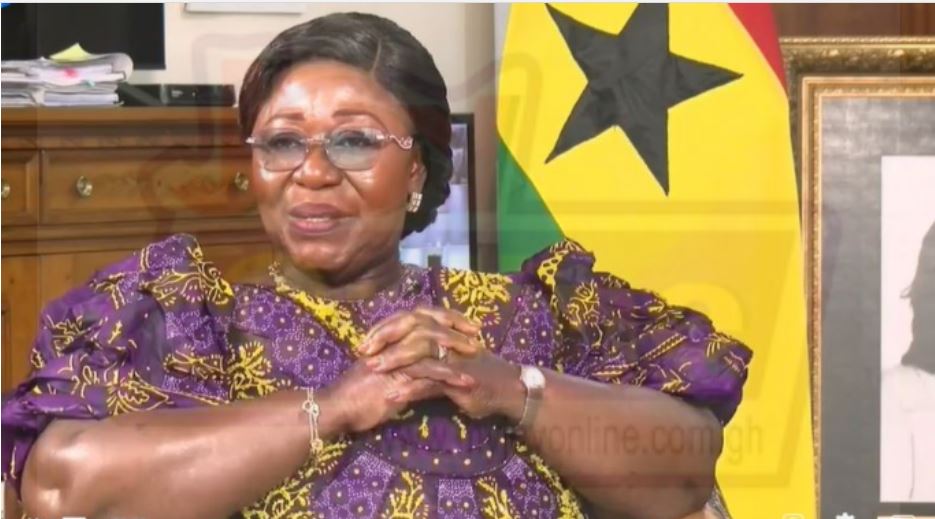
Meanwhile, the Chief of Staff also commended PURC for its pivotal role in the ongoing engagement of stakeholders on the multiyear tariff review.
However, she stressed that there is a need to strengthen the already established mechanisms to regulate utility companies to become financially viable.
The Commission had earlier assured the public that it will consider the interest of all stakeholders in determining the new utility tariffs.
In a media interview, the Head of Public Relations and External Affairs of PURC said the Commission will also consider the interest of the investor community and the interest of the utility companies before announcing the new tariffs.
“PURC will weigh the concerns of the consuming public and other stakeholders. We’ll consider the interest of the consuming public and the investor community and protect the interest of the utility company by making sure that it is financially viable.
“We will also look at our regulatory benchmark, including the allowable losses, and all these are put together, so it isn’t just an academic exercise,” he said.
The Electricity Company of Ghana had proposed that its tariffs will be increased by 148% for 2022 and with 7.6% average adjustments between the periods of 2023 to 2026.
The proposed sharp increment, according to ECG, is due to the gap between the actual cost recovery tariff and PURC-approved tariffs as well as the cost of completed projects.
The GWCL also argued that while the average tariff per cubic metre in 2019 was 1.27 USD, the same was reduced to USD 1.13 as a result of cedi depreciation.
The GWCL said this has affected its ability to carry out repairs and replacements of aged and obsolete equipment and pipelines.
Latest Stories
-
AFCON 2027Q: Moroccan referee Mustapha Kechchaf to officiate Ghana-Gambia match
8 minutes -
Our mental health is restored – How Medical Trust Fund is giving doctors hope again
11 minutes -
2027 budget to provide for grain silos – Agric Minister
11 minutes -
Damongo Communique: Democracy Not For Sale
13 minutes -
Yusif Sulemana pushes community benefits, national systems in Global Forest Finance Debate
30 minutes -
Todays Front pages: Monday, September 28, 2026
37 minutes -
WAFU B U-17 Girls Cup: Black Maidens finish tournament with 4-0 win over Cote d’Ivoire
41 minutes -
2026 Women’s Super Cup: FC Savannah to face Epiphany Warriors in final on September 29
55 minutes -
Ghana’s second chance: How President Mahama’s return offers historic opportunity for transformation
1 hour -
AFCON 2027Q: Alexander Djiku ruled out of clash against Gambia
1 hour -
RCI Immanuel Temple donates supplies to Motherly Love Orphanage
2 hours -
Ghana calls for predictable, people-centred financing to protect tropical forests
2 hours -
COCOBOD asks investors to fund cocoa purchases, but proceeds may also repay old debt
2 hours -
Gov’t hands over site for construction of 160-bed Savannah Regional Hospital
2 hours -
NCPTA clarifies GH¢200 cap on PTA dues and levies per parent
2 hours