

Audio By Carbonatix
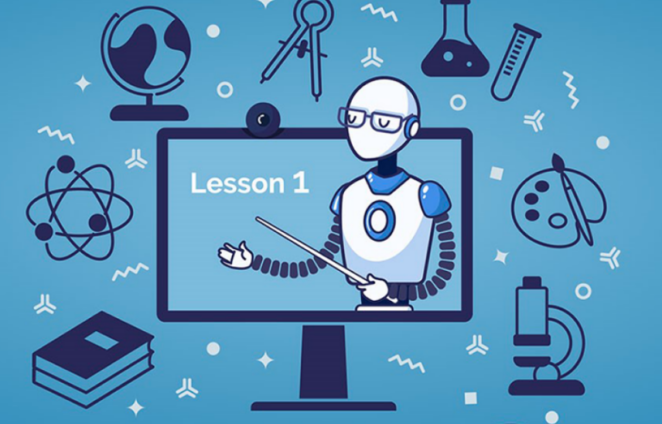
Africa stands at a pivotal moment where artificial intelligence can reshape education, addressing deep-rooted challenges like high teacher-to-student ratios, limited resources, and unequal access between urban and rural areas.
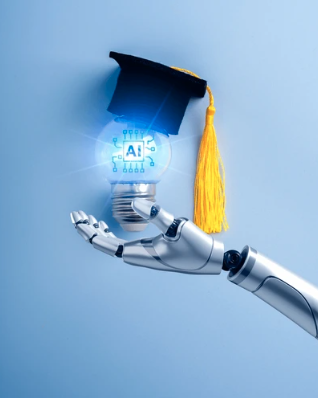
The core opportunity lies in positioning AI as a powerful co-pilot that empowers teachers and students rather than replacing human connection and guidance.
The Breakdown
Education systems across Africa face persistent gaps: overcrowded classrooms, uneven internet and device access, and curricula that often fail to prepare students for future jobs. AI tools can serve as intelligent assistants; personalising learning, providing real-time interventions for students ahead or behind, and helping teachers manage workloads more effectively. However, foundational barriers remain, including affordability, infrastructure, and the risk of over-reliance on technology without building core human skills.

The Impact
When integrated thoughtfully, AI has the potential to bridge learning gaps, boost student outcomes, and make quality education more inclusive. It can support multilingual and culturally relevant content, reduce rote memorization, and shift focus toward creativity, problem-solving, and real-world application. Yet without deliberate action, it risks widening divides, creating digital elitism where only private schools and urban students benefit while amplifying biases from Western-trained models and encouraging copy-paste habits over genuine thinking.
The Opportunity
AI levels the playing field by enabling anyone with access to become a creator and builder. Students and teachers can develop essential skills like curiosity, critical thinking, creativity, collaboration, and common sense, many of which require no internet. Local innovation shines through grounding AI models in African languages, cultures, histories, and real-world needs (such as agriculture or community-specific challenges). This creates tools “by us, for us” that truly serve continental priorities rather than importing foreign frameworks.
The Next Move
Prioritize accessible infrastructure while investing heavily in skill-building that works with or without devices. Encourage teachers and parents to foster curiosity first, then critical evaluation of AI outputs. Support content creators producing localised AI education resources, back government and private efforts to ground models in indigenous knowledge, and actively participate in platforms like the Pan-African AI and Innovation Summit to shape Africa-centric solutions.
For students and young people: treat AI as a co-pilot to build useful tools for your community. From language translators to learning aids, turning theory into practical creation that prepares you for the job market.
The future of African education will not be defined by waiting for perfect access, but by acting now with curiosity, critical thinking, and bold local innovation. AI is here; how we steer it will determine whether it becomes a tool for widespread empowerment or missed opportunity.
Based on the #JoyGeekSquad conversation. Check full video here.
Latest Stories
-
Services drive 7.4% expansion in Ghana’s economic activity
6 minutes -
‘I don’t make music for awards, I make it to connect people’ – Rocky Dawuni
18 minutes -
Farmer jailed for three months over assault on wife in viral video
23 minutes -
Police arrest eight in Okaishie operation targeting illicit drugs and medicines
26 minutes -
David Agyemang Yeboah: Marriage is not the problem; your approach is
30 minutes -
Lawyer sues Standards Authority over used-vehicle import restrictions
32 minutes -
Ukraine to restart strikes on Russian oil refineries, Zelensky says
32 minutes -
CIMG awards drive competition among Ghanaian businesses
37 minutes -
NSA regional director Emmanuel Reagan files nomination to contest NDC Ashanti Regional Organiser position
42 minutes -
Obuasi SHTS: Number of students alleging sexual abuse rises to 16
48 minutes -
Ghana’s economy grows by 7.4% in July 2026
58 minutes -
NDC member challenges Dennis Yeboah Twumasi’s eligibility for Bono Regional Secretary elections
1 hour -
Popular Nigerian gospel singer Toluwanisings dies
1 hour -
Spio-Garbrah proposes debt swaps to fund reparative justice in Africa and Caribbean
1 hour -
Alban Bagbin calls for governance reforms and coordinated action to address Africa’s debt crisis
1 hour