

Audio By Carbonatix
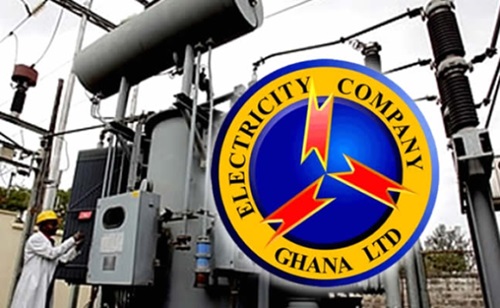
A think tank, Africa Sustainable Energy Centre (ASEC), is advocating for the Electricity Company of Ghana to privatise part of its operations.
This move, they believe, will enable the nation’s power provider to focus on its core technical duties such as maintaining and upgrading infrastructure while handing over administrative and commercial aspects to investors.
This comes in the midst of growing concerns of irregular power supply across the country in recent times. As a result, the average Ghanaian has had to endure spates of unstable electricity leaving them in search of alternative sources of power that are relatively expensive.
Historically, ECG has been plagued with numerous operational and financial challenges, outdated infrastructure, inefficient technology, and rampant electricity theft that have all contributed to frequent power outages, colloquially known as ‘dumsor.’ The company’s massive debts, partly due to unpaid bills from residential, commercial, and governmental bodies, further worsen its woes.
ASEC believes privatisation has the potential to turn this situation around. According to the outfit, “by bringing in local private investors to handle the administrative aspects of ECG, the company can focus on its core technical duties, such as maintaining and upgrading infrastructure”.
“This division of responsibilities is crucial for improving operational efficiency, reducing power losses, and enhancing service reliability."
The group admits that despite the mixed outcomes of this endeavours by some African countries, there is a huge potential for success since some other countries across the world are thriving on this model. In their expert opinion, this provides a unique opportunity for Ghana to learn from the mistakes of its counterparts and join the people who have benefited.
"Critics of privatisation often point to the mixed outcomes of similar efforts in other African countries. However, these examples underscore the importance of learning from past experiences. Weak regulatory enforcement and lack of stakeholder engagement have been the main pitfalls in other nations."
Ghana can avoid these mistakes by establishing robust regulatory frameworks, ensuring transparency in the privatisation process, and actively involving all stakeholders. With these measures in place, privatisation can lead to significant improvements in ECG’s efficiency and service delivery, ASEC affirmed.”
Dr. Elvis Twumasi who works as the Director of Research and innovation at ASEC expressed confidence in the ECG’s ability to excel with such a development, citing the previous attempt with the Power Distribution Services (PDS).
“The first attempt to privatise ECG showed promise, with Power Distribution Services Ghana Limited (PDS) planning to invest $580 million into the sector. During PDS’s brief tenure, there were notable improvements in employee responsiveness and operational efficiencies. These initial successes indicate that with the right approach, privatisation will bring about positive change.
“Success stories from other parts of the world highlight the potential benefits of privatisation. In South America, countries like Argentina, Peru, and Bolivia have seen improved operational efficiency, reduced energy losses, and enhanced customer service following privatisation efforts. In Uganda, the involvement of Umeme Ltd. in the power sector led to significant operational efficiencies and financial improvements,
demonstrating how private sector participation can be beneficial,” he said.
Dr. Twumasi further noted that privatisation does not mean totally selling off ECG to private owners.
He stated that “it is crucial to clarify that privatisation does not mean selling ECG to foreign investors. Instead, Ghana can engage multiple local private companies to manage the economic functions of ECG, such as infrastructural development, billing, and collection of utility bills. This approach allows ECG to focus on
the technical aspects of electricity distribution, improving efficiency and service delivery."
He believes privatisation can address these problems by creating a system of checks and balances, ensuring fiscal discipline, and bringing in management expertise. This will help reduce power and financial losses due to theft, outdated equipment, and unpaid bills.
“Reliable electricity is not just a convenience but a necessity for economic development and improving living standards. The privatisation of ECG can lead to better service delivery, reduced costs, and ultimately a more reliable and sustainable power sector, he added.
While the path to successful privatisation is complex, with careful planning, robust regulatory frameworks, and active stakeholder engagement, it can drive significant advancements in ECG’s services. This will contribute to the broader economic development of Ghana and improve the lives of its people, particularly the poor and average citizens who have suffered the most from the current inefficiencies.” he added.
Latest Stories
-
Public basic schools resume today after strike suspension
19 minutes -
Environment Minister calls for transparency in Ghana’s GMO adoption
26 minutes -
Ghana risks 10% to 100% tariffs on exports to US under Trump’s threats as it moves to join BRICS
41 minutes -
US imposes sanctions on ICC hours after former judge wins Nobel Peace Prize
2 hours -
South Africa withdraws asylum directive after anti-migrant violence
2 hours -
Moroccan king says migration cooperation model with Spain hit limit
2 hours -
Libya’s military seizes narcotics after firefight with smugglers
2 hours -
At least 139 migrants dead, including some children, after boat from Djibouti to Yemen capsizes, UN agency says
3 hours -
“US Embassy introduced TRIBE Culture Fest to NSA, GTA” – Kofi Adams
3 hours -
“NSA did not tell us of any embassy arrangement” – Kofi Adams
3 hours -
Kumasi records third commercial fire in three days
4 hours -
Trump faces growing backlash over plans to import diesel from Russia
5 hours -
AI is less regulated than milk, says Microsoft president
5 hours -
Boots sold in £7bn deal to Canadian billionaire family
5 hours -
Glasner suffers loss on Selhurst return as Palace beat Forest
5 hours