

Audio By Carbonatix
African countries have reached a major agreement on how to rebuild and strengthen the continent’s health workforce over the next decade, a move experts say is crucial as Africa faces a projected shortfall of more than six million health workers by 2030.
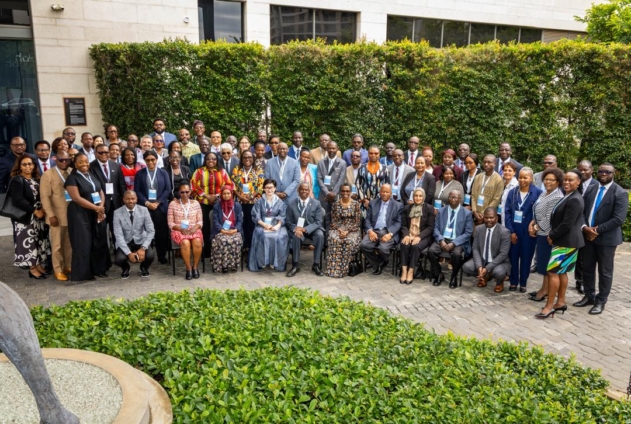
The agreement was reached at a three-day high-level consultation organised by the World Health Organisation's (WHO) Regional Office for Africa in Pretoria, South Africa.
Health ministries, universities, professional councils, and development partners all endorsed a shared set of priorities that will guide the Africa Health Workforce Agenda 2026–2035, expected to be formally adopted in 2026.
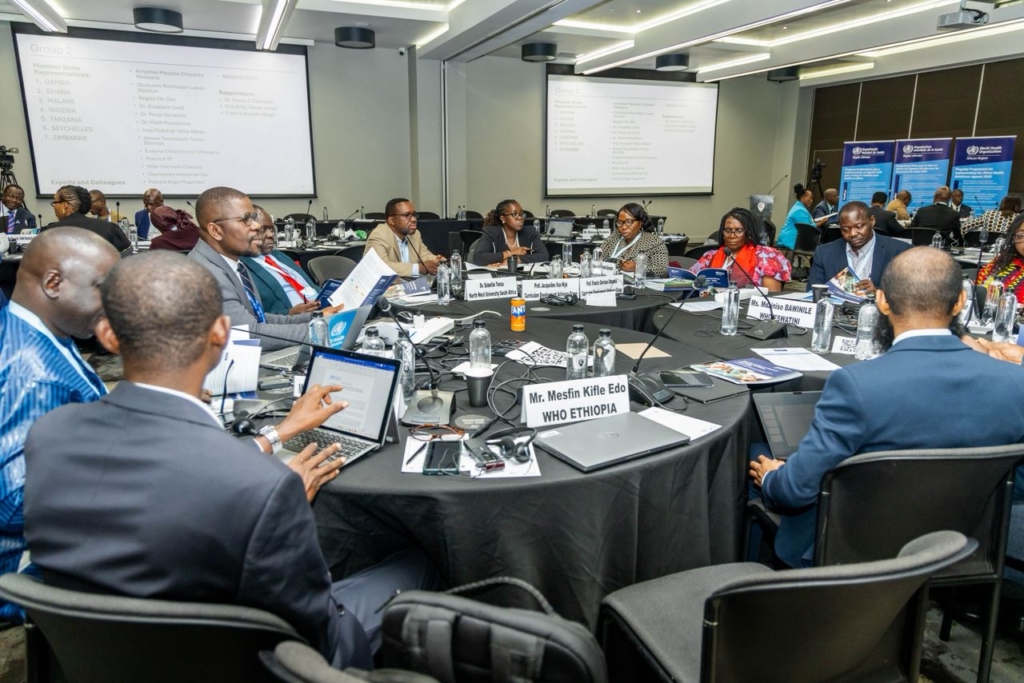
The new agenda sets out clear actions to improve how African countries train, employ, manage, and retain their health workers. The priority areas include strengthening governance and leadership, modernising health workforce training to match current needs, expanding job opportunities and improving retention, scaling up investment through the Africa Health Workforce Investment Charter and building strong labour-market intelligence systems for planning and accountability
Director of Health Systems and Services at WHO Africa, Dr Adelheid Onyango, said the agreement signals a united push to close long-standing gaps.
“These outcomes reflect a shared continental vision for a workforce that can deliver quality, people-centred care. The next decade must be transformational. If we do not act boldly and collectively, the gap between what our health systems need and the workers available will only widen.”
Africa has increased its total health workforce from 1.6 million in 2013 to 5.1 million in 2022 — a significant achievement. But WHO says the region continues to struggle with a 6.1 million worker shortage by 2030, mismatches between training and job market needs, outdated, theory-heavy training models and poor investment in training schools.
The organisation also cited high unemployment among new health graduates (27%) and ongoing migration and burnout.

Participants at the meeting stressed that without large-scale reforms, Africa will not meet the growing demand for nurses, midwives, doctors, and other specialists.
WHO’s Team Lead for Health Workforce, Dr James Asamani, said the Pretoria consultation marks a major milestone.
“This meeting has been more than a technical exchange. It has strengthened an Africa-wide commitment to reshape the future of health workforce development.”
Ahead of the new strategy, WHO convened countries earlier this year to update national health workforce data and assess progress made under the current strategy. A 17-member expert group also reviewed evidence and proposed priorities for the 2026–2035 agenda.
The Africa Health Workforce Agenda 2026–2035 will be formally endorsed by African Member States next year.
Speaking at the opening ceremony, Dr Percy Mahlathi of South Africa’s National Department of Health urged countries to maintain momentum.
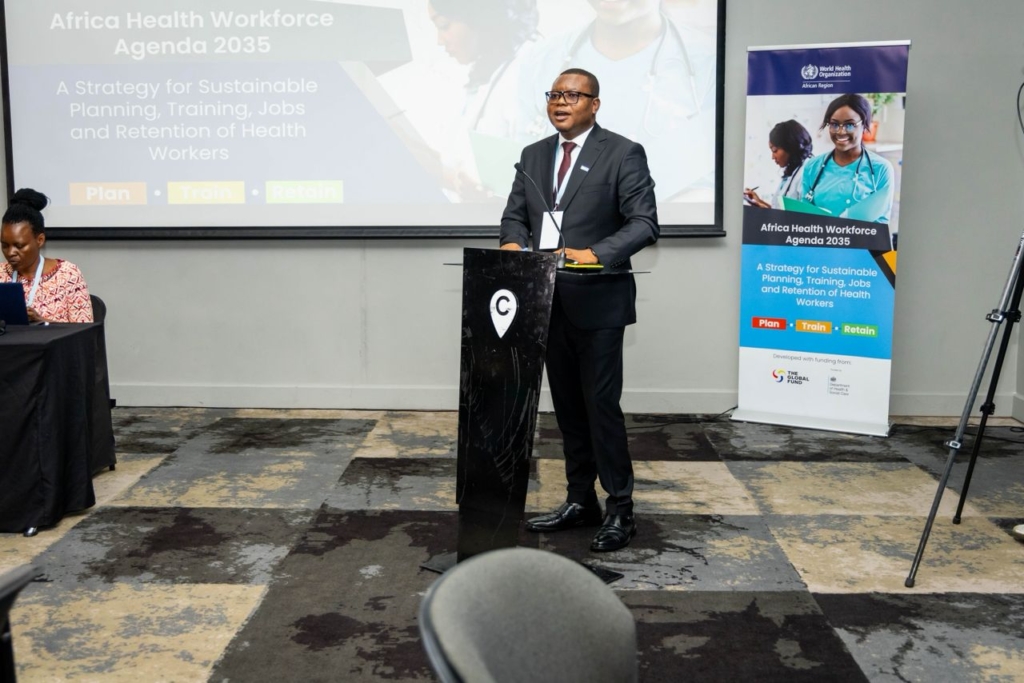
“Let this mark a turning point in how we plan, train, deploy and retain the health workers our continent needs. With unity and determination, Africa can build a health workforce capable of meeting both present and future demands.”
WHO has called on governments, regional bodies, academic institutions, and development partners to sustain political and financial support to ensure the successful rollout of the agenda.
The organisation says strong investment and consistent leadership will be essential to transform health workforce planning and education systems at scale.
Latest Stories
-
Muntaka vows not to compromise in prosecuting drug suspects despite political pressure
35 minutes -
Cannabis traffickers using ambulances and bullion vans – Interior Minister
40 minutes -
Over 90% of people displaced by Savannah conflict back home – Muntaka
46 minutes -
LA28: Desmond Ofei invites 32 Black Meteors players for Libya clash
56 minutes -
ECG to undertake maintenance work in parts of Accra from October 12 to 16
1 hour -
Ablakwa: Ghana’s Embassies, High Commissions to support World Assemblies of God Congress
1 hour -
Joyce Bawah Mogtari cites infrastructure, healthcare reforms as evidence of Mahama’s development agenda
1 hour -
Ghana had no single gadget to detect narcotics when we took office – Muntaka
1 hour -
GES to consult stakeholders on academic calendar adjustments
1 hour -
Mahama reaffirms commitment to equitable development across Ghana
1 hour -
Youth employment must remain central to Ghana’s economic reset – Joyce Bawah Mogtari
1 hour -
Ethnic conflicts, land disputes and illicit drugs remain major security concerns – Muntaka
2 hours -
Mahama Ayariga visits Kumasi Central Market fire scene to assess damage
2 hours -
Ghana has 48 legitimate entry points but over 300 illegal crossing points – Interior Minister
2 hours -
Ghana is much safer now than in 2025 – Muntaka
2 hours