

Audio By Carbonatix
A coalition of leading African climate scientists has addressed recent "mischaracterizations" of their research into solar radiation management (SRM), asserting their right to participate in global climate science on their own terms.
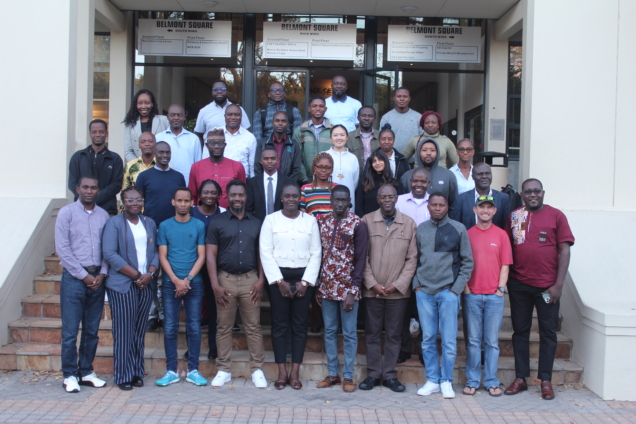
The statement, released during the Degrees Global Forum on Solar Geoengineering in Cape Town—the largest global gathering on SRM to date—comes after criticism from the Hands Off Mother Earth (HOME) Alliance.
The activist group, in a press release titled “Africa is Not a Laboratory”, accused African SRM research initiatives of facilitating “neo-colonial experimentation”.
However, the African researchers strongly refuted these claims, describing them as a distortion of both their intentions and their rigorous, ethical research. “Such a narrative not only spreads misinformation but also diminishes the contributions of African expertise in tackling complex climate change challenges,” the scientists said.
SRM: Understanding, not advocacy
Solar radiation management, a controversial branch of climate intervention research, involves the theoretical possibility of reflecting sunlight away from the Earth to reduce global temperatures.
While contentious, it has gained attention as nations grapple with the increasingly dire consequences of climate change.
African scientists at the forefront of this work are quick to stress that research is not equivalent to endorsement. “We are not advocating for the deployment of SRM technologies,” they explained. “We are investigating what SRM could mean for Africa, should it ever be implemented elsewhere. Ignorance, not inquiry, is the greater danger.”
With over 30 African researchers participating, the Degrees Global Forum aims to foster intellectual exchange, emphasising inclusivity, regional leadership, and ethical engagement. Far from being a testing ground, the forum serves as a platform for knowledge-sharing between scientists, policymakers, and civil society representatives from over 50 countries.
Africa’s vulnerability, Africa’s voice
Given the continent’s acute vulnerability to climate change, the researchers argue that excluding African voices from global SRM discussions would be the real injustice. “Opponents have framed African involvement as ‘neo-colonial’.
In truth, excluding African scientists from these global research conversations would be far more colonial,” they asserted.
They further emphasised that their work is driven by the urgent need to understand how large-scale climate interventions might affect African ecosystems, agricultural systems, and public health. "Any global climate intervention—regardless of where it is conducted—could have unpredictable effects on Africa. We must be prepared," the scientists stated.
Equity through participation
The coalition warned against calls to halt African-led SRM research in the name of anti-colonialism, describing such efforts as paradoxically disempowering. “Denying African scientists the opportunity to participate, lead, and shape knowledge systems risks reproducing the very power imbalances critics claim to resist,” the release noted.
Responsible research, they argue, is led by African scientists, grounded in transparency, informed by public engagement, and focused on understanding, not promoting climate interventions. Their goal is to equip African policymakers with the knowledge needed to navigate emerging global climate governance frameworks.
A call for dialogue
The scientists also called for constructive engagement rather than ideological dismissal. “The real risk is not research, but ignorance,” they affirmed.
“Research and international collaboration allow African experts to become global leaders in SRM. We urge funders, civil society organisations, and international partners to support open scientific inquiry and inclusive dialogue,” they added.
The declaration was endorsed by members of the Africa Climate Intervention Research Hub, which includes leading academics and policy experts from Ghana, South Africa, Uganda, Nigeria, Cameroon, Benin, Mali, Côte d’Ivoire, Botswana, and Kenya.
As debates about the ethics and efficacy of solar geoengineering intensify globally, African scientists have made one point clear: the continent must not be spoken for—it must speak for itself.
Latest Stories
-
Oil prices retreat as investors weigh supply outlook, Middle East tensions
2 minutes -
Mahama Ayariga highlights Jimi reclamation project as effort to tackle flooding
8 minutes -
Ayine pushes duty-lawyer scheme to protect suspects at police stations
15 minutes -
Fire at GRIDCo’s Mallam Substation cuts power to parts of Accra
20 minutes -
Stephen Amoah criticises 20% digital services tax as excessive
21 minutes -
Ghana secures $3.5bn investment commitments to revive oil and gas sector – Jinapor
26 minutes -
Court to hear Wontumi’s bail application today
27 minutes -
DPC flags six companies for data protection breaches
32 minutes -
Chief Justice appointment from outside Supreme Court possible but unlikely – Bentil
33 minutes -
NEDCo replaces faulty transformer at Saasigli
36 minutes -
Dr Seidu Jasaw urges climate financiers to align funding with farmers’ planting seasons
40 minutes -
Bank of Ghana urges public to uphold dignity of local currency
41 minutes -
Global Chairman of World Assemblies of God Fellowship lauds Mahama’s sterling leadership
46 minutes -
Global economy’s resilience nearing limits – IMF
53 minutes -
Trust-building is crucial for sustaining confidence with communities – Police Commander
58 minutes