

Audio By Carbonatix
The Jaman North District Director of the Department of Agriculture, Victor Yao-Dablu, has warned of dire environmental and health consequences if the massive level of misapplication and unsafe methods of pesticides and other agrochemicals use by farmers does not stop.
According to him, although the use of pesticides will substantially boost commercial agricultural production in Ghana, farmers must do it with care.
He stated, "Pesticides are an important tool in modern agriculture, and we need to consider the risks and benefits before using them".
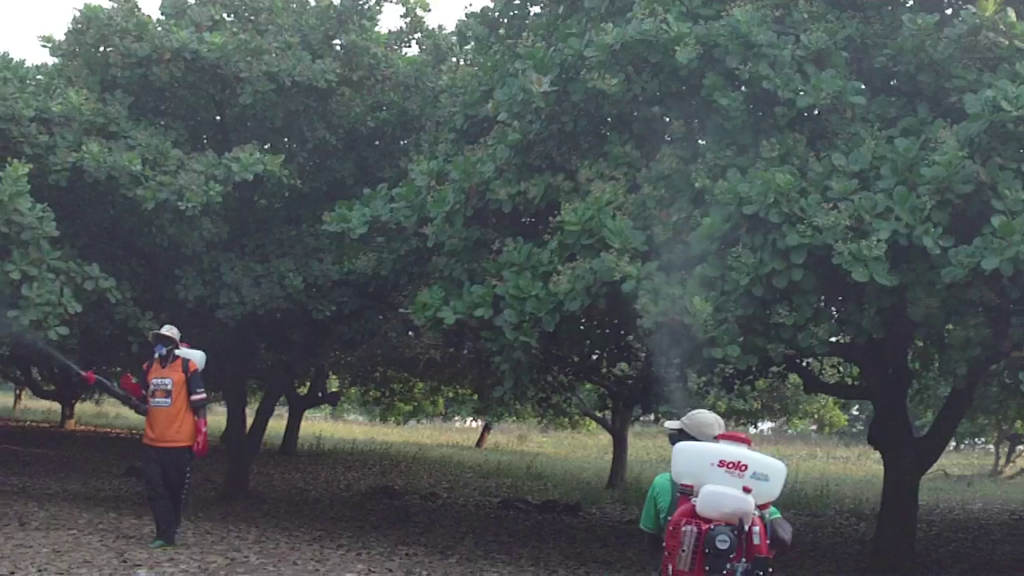
Mr Yao-Dablu further explained that the inappropriate use of agrochemicals has dire consequences on the health of farmers, consumers and the environment.
“One may not immediately realise the adverse effects of the wrong use of pesticides or herbicides or any other chemical, but gradually it accumulates in the body over time and results in all kinds of diseases," he stated.
He said the continuous use of agrochemicals in a particular area might negatively affect the soil, water-bodies, biodiversity, pollinators and climatic conditions.
“The chemicals can also seep into the soil and contaminate groundwater or be carried away by run-off water into nearby water-bodies.
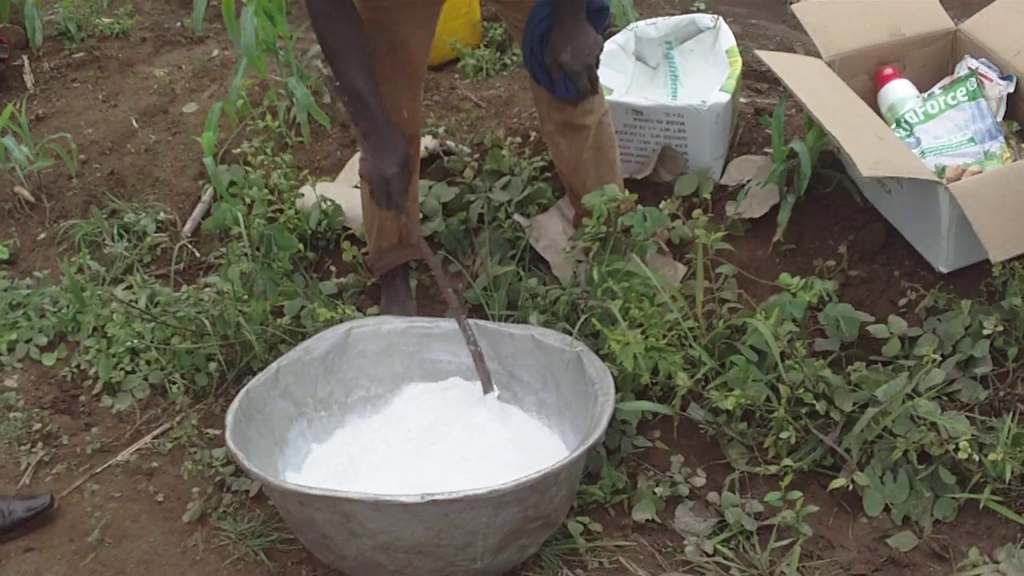
"It can also cause serious harm to the aquatic ecosystem and potentially impact human lives negatively," Mr Yao-Dablu added.
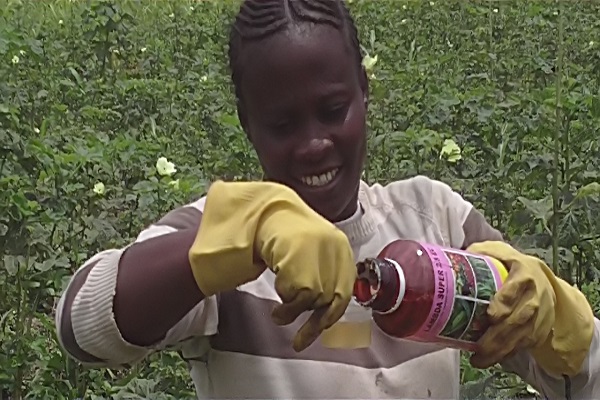
He pointed out that absorption of agrochemicals through the skin is the most common route of poisoning for agricultural workers.
The exposure, he pointed out, can be reduced drastically by wearing chemical-resistant gloves and long-sleeved shirts during the application period.
He, therefore, charged farmers to strictly follow the directions on each agrochemical they intended to use to avoid the adverse effects of misapplication.
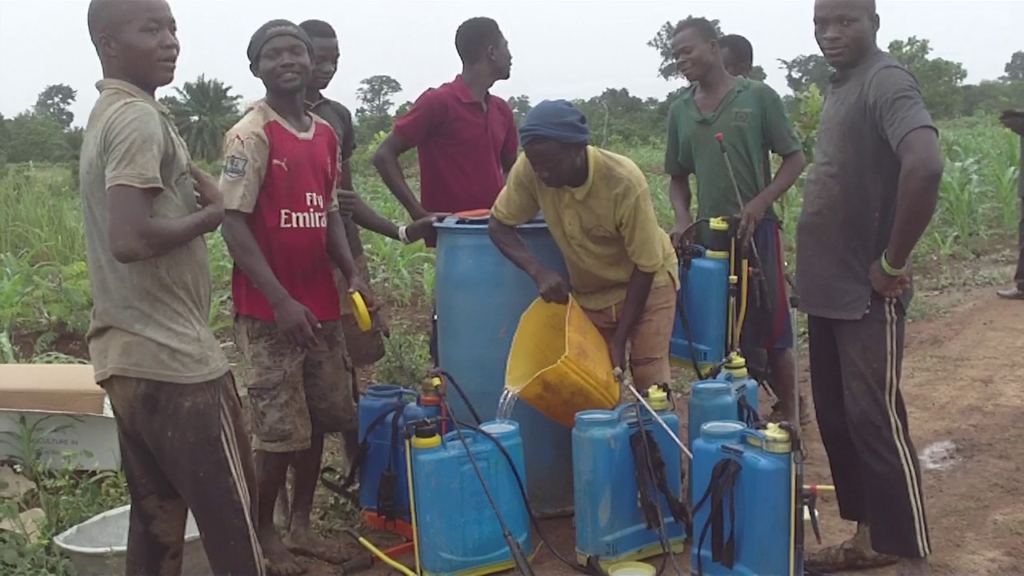
"If you cannot read the instructions, get someone to read and explain to you before applying these chemicals on your crops because every chemical has a specific way of use, so don't just apply them but seek the right information about it before using it," he directed.
He urged farmers to always look out for original agrochemical products because fake pesticides pose a greater danger to humans and the environment since they do not go through evaluation as required by law.
“Unapproved pesticides might be relatively cheaper and attract higher patronage, subjecting farming communities, consumers of agro-products and the entire environment to its hazards,” Mr Yao-Dablu added.
The Jaman North District Director of the Department of Agriculture encouraged farmers to seek further information from the Agric Extension Officers about pesticides and other agrochemicals before they purchase for their use.
Latest Stories
-
Power restoration fault suspected in Kumasi Central Market fire
47 minutes -
The 7-foot giant of Ngleshie Amanfro: Seven-foot Ghanaian Ephraim Saawa dreams of joining the national basketball team
1 hour -
Government promises support for Kumasi Central Market fire victims
2 hours -
Vibes The Movie: Big Ghun’s Ghanaian film earns five nominations at 2026 REFFA
2 hours -
MamaCare CEO warns unresolved conflicts among health workers could undermine maternal and neonatal care
2 hours -
Health professionals urged to translate medical knowledge into practice to save mothers
3 hours -
Conflicts among care providers linked to maternal, neonatal deaths – Expert
4 hours -
GIS marks 10th TIME conference, champions improved teaching practices
4 hours -
BRICS Or Balance? What Ghana’s bid really means
5 hours -
GPRTU wants full TRAFFITECH-GH implementation to start in 2027
5 hours -
Mahama announces plans to import electric wheelchairs for PWDs
5 hours -
KGL U17 Colts 2026: Western beat Prempeh Elite Academy to set up final final with Greater Accra Region
5 hours -
Late Solanke strike salvages 10-man Spurs draw at Man United
6 hours -
Gender Ministry to monitor welfare of Nana Akua Addo’s children amid domestic violence case
6 hours -
Benedict Okyere Yeboah: Ghana’s football problem goes beyond sacking a coach
6 hours