

Audio By Carbonatix
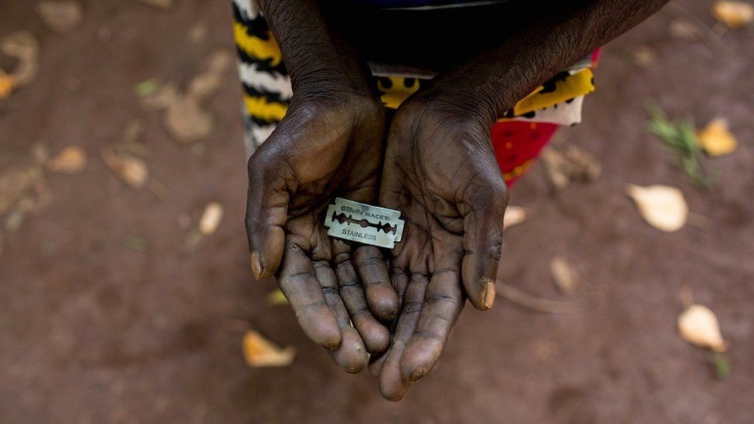
International Day of Zero Tolerance for Female Genital Mutilation is a reminder of the ongoing fight against a harmful practice that affects millions of girls and women globally.
The theme for this year’s celebration, “Partnering with Men and Boys to Transform Social and Gender Norms to End Female Genital Mutilation”, underscores the importance of involving all members of society in ending this practice.
FGM is a violation of the human rights of girls and women and has no health benefits. The practice can cause severe physical and psychological harm and can lead to long-term complications such as chronic pain, infections, and even death.
In Ghana, FGM is still practiced in some communities and is often considered a rite of passage for young girls. But the good news is that the government and civil society organizations have been working hard to raise awareness about the dangers of FGM and to end the practice.
As a young woman and global development advocate from Ghana, I am proud to be part of Curious Minds Ghana- a youth-led advocacy organization that is working to end Female Genital Mutilation (FGM) through awareness raising on radio and in communities across Ghana.
The “Partnering with Men and Boys to Transform Social and Gender Norms to End Female Genital Mutilation” theme is especially important in Ghana where men and boys play a crucial role in transforming harmful gender norms.
We must recognize that FGM is not just a women’s issue but a human rights issue that affects everyone. Men and boys also have a vital role to play in ending the practice. By engaging with them, we can challenge the belief systems that perpetuate FGM and promote gender equality. Men and boys can become ambassadors for change and encourage their families and communities to abandon the practice.
However, it is not enough to just raise awareness. We must also address the root causes of FGM. Poverty, lack of education, and deeply ingrained cultural and social norms all contribute to the continuation of this harmful practice. Addressing these root causes will require a multi-faceted approach that involves education, economic empowerment, and community engagement.
Education is key to ending FGM. By educating girls and women about their rights and the dangers of FGM, we can empower them to make informed decisions about their own bodies. At the same time, we must also educate boys and men about the importance of gender equality and the dangers of FGM. By challenging harmful gender norms, we can create a more equal society where all people are valued and respected.
Economic empowerment is also critical in ending FGM. In many communities, FGM is performed as a way to secure a bride price for a girl. By providing economic opportunities for women and girls, we can reduce their dependence on men and decrease the pressure to conform to harmful cultural practices. Economic empowerment can also help women and girls break the cycle of poverty and become agents of change in their communities.
Finally, community engagement is essential to ending FGM. By working with communities, we can understand their perspectives and help them understand the dangers of FGM. We can also involve community leaders, traditional authorities, and religious leaders in our efforts to end the practice. These leaders can play a crucial role in changing social and cultural norms and promoting gender equality.
In conclusion, the International Day of Zero Tolerance for Female Genital Mutilation is a reminder that we all have a role to play in ending this harmful practice. By partnering with men and boys, we can challenge harmful gender norms and create a more equal and just society. Education, economic empowerment, and community engagement are all critical components of our efforts to end FGM. Together, we can create a world where all girls and women are free from violence and can live with dignity and respect.
ABOUT THE AUTHOR:
Amidatu Kassim is a final year marketing student of the University of Ghana. She’s currently a Vice President for the Marketing and Entrepreneurship Students Association (MESA) and a member of the Children and Youth in Broadcasting – Curious Minds. She is passionate about championing causes for sustainable development particularly issues of young people.
Latest Stories
-
Kwaku Azar writes: A-G vs OSP
9 minutes -
Mfantsipim–Adisadel rivalry built excellence, not division – Sam Jonah
34 minutes -
Vice President launches Mfantsipim’s 150 years of shaping Ghana’s greatest mind
51 minutes -
I assure Otumfuo, Mahama will join him to commission KNUST Teaching Hospital by end of this year – Haruna Iddrisu
2 hours -
Gov’t to roll out free special education for persons with disabilities from July 1 – Education Minister
2 hours -
“We used it to test our officiating officials’ readiness” – Bawah Fuseini after CAA Athletics event
2 hours -
Volleyball emerges as Ghana’s fastest rising sport
2 hours -
National Sports Fund needs strong leadership from the top – Administrator David Wuaku
3 hours -
JoySports Exclusive: Steve McLaren in talks with GFA after expressing interest in Black Stars job
3 hours -
Fire guts auto parts warehouse at Bubuashie, one fire officer injured
3 hours -
I owe my victory to coach Ofori Asare – Allotey after winning WBA Africa Gold Super Flyweight belt
3 hours -
Church of Pentecost supports over 2,000 BECE candidates in Obuasi with career guidance seminar
5 hours -
Brandon Asante and Coventry all but promoted to Premier League despite Sheffield Wednesday draw
5 hours -
GPL 2025/26: Late Kwartemaa strike downs Hearts in Tema
5 hours -
Ghana Faces Sierra Leone Moment as Prosecutorial Powers come under strain
5 hours